At-home cholesterol tests are convenient tools that allow you to monitor your cholesterol levels in the comfort of your own home.
Our Top Picks for At-Home Cholesterol Tests
Although they may not be as accurate as tests performed by a healthcare provider, these tests can provide a general idea of your cholesterol levels. They can help identify whether further testing or lifestyle changes are needed.
Making an informed choice about your heart health begins with understanding the at-home cholesterol tests available. We've carefully selected the following based on their reliability, user-friendliness, and unique features to suit various needs and preferences.
While at-home cholesterol tests may not be done in as controlled an environment as labs or hospitals, they can give you a good starting point and idea of your cholesterol levels. They’re a convenient way to determine if you need to get further testing done or to see a doctor.
The EverlyWell Cholesterol & Lipids Test offers an in-depth analysis of your cholesterol health.
This test measures:
Total cholesterol
HDL
Calculated LDL
Triglyceride levels
The EverlyWell test provides easy-to-understand results and additional insight into your heart health, making it an excellent choice for those looking for a more comprehensive understanding of their cholesterol levels.
The Curo L5 Blood Cholesterol Test Kit is a compact, portable cholesterol testing kit that delivers instant results.
This kit measures:
Total cholesterol
HDL
Triglycerides
These measurements provide important insights into your cholesterol health wherever you are. With its storage pouch and fast results, it's a convenient choice for on-the-go cholesterol monitoring.
High cholesterol is a common health concern that often shows no symptoms, making it a silent threat to cardiovascular health.
Regular monitoring of cholesterol levels is crucial, especially for individuals with a family history of heart disease or other risk factors such as diabetes, high blood pressure, or smoking.
At-home cholesterol tests offer a convenient and affordable solution for those seeking to monitor their cholesterol levels regularly. They provide a general assessment of your cholesterol levels and can help identify if further professional testing or lifestyle changes are necessary.
Remember, while these at-home tests can provide a general overview of your cholesterol levels, they should not replace regular check-ups with a healthcare provider. Always consult a medical professional if you have concerns about your cholesterol or overall health.
By being proactive about your cholesterol levels, you can take control of your health and make informed decisions to improve your cardiovascular health. At-home cholesterol tests are a valuable tool in your wellness arsenal, helping you to stay healthy and informed.
Life DNA Review — Is It Worth Buying Their DNA Test Kits?
Our verdict: We thought LifeDNA was informative and fun and offered some reports that other DNA tests often don't (like beauty and skincare). While it covers its bases with potential genetic variations or any potential genetic predisposition, we thought other tests were a bit more fleshed out in that regard.
Still, it was a great way to learn more about ourselves and is a great test for any first-time test-takers. If you're not sure of your family history (in terms of health condition) or want to learn more about how you can better care for your skin, this test is for you.
It may be good motivation to make major lifestyle changes to reach your health goals.
We scanned through several LifeDNA reviews to determine the most common pros and cons people have mentioned. Here are a few of them:
Pros
Customer service was quick, courteous, and dependable, as many people—even those unhappy with the service or reports—said that the company was quick to respond or reach out if they were dissatisfied
Many liked that there was a skincare component to the reports, which isn't a common feature in many tests
One-on-one consultations were a specific highlight that was always mentioned, with many saying that their consultant was kind, understanding, and professional
Cons
Some users reported that a few of the reports were underwhelming or vague
The price tag wasn't worth it compared to other DNA tests, according to some users, as other tests seemed to have better value for money
What Does LifeDNA Offer?
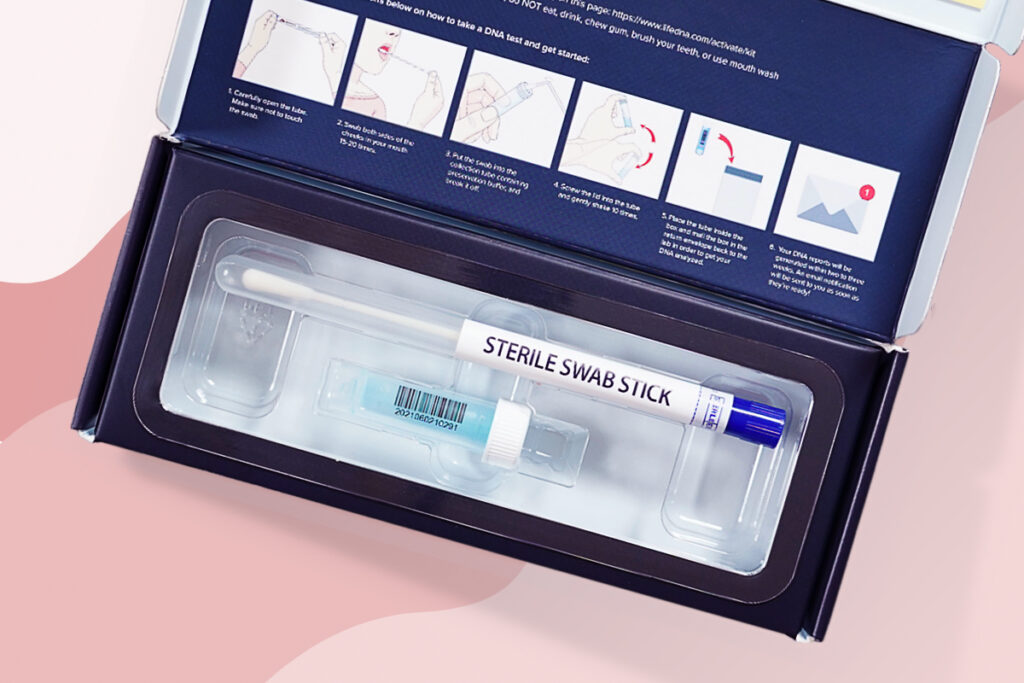
LifeDNA offers three different DNA Wellness Bundles. These three plans give you the option to either take a test that LifeDNA will send or to upload raw DNA data from any tests you've already taken, like 23andMe, Ancestry, MyHeritage, Living DNA, and Family Tree DNA.
The DNA test is about $70 extra, so plan accordingly.
These three bundles are:
Diet and wellness pack – $59, comes with a nutrition report and a vitamins and supplements report
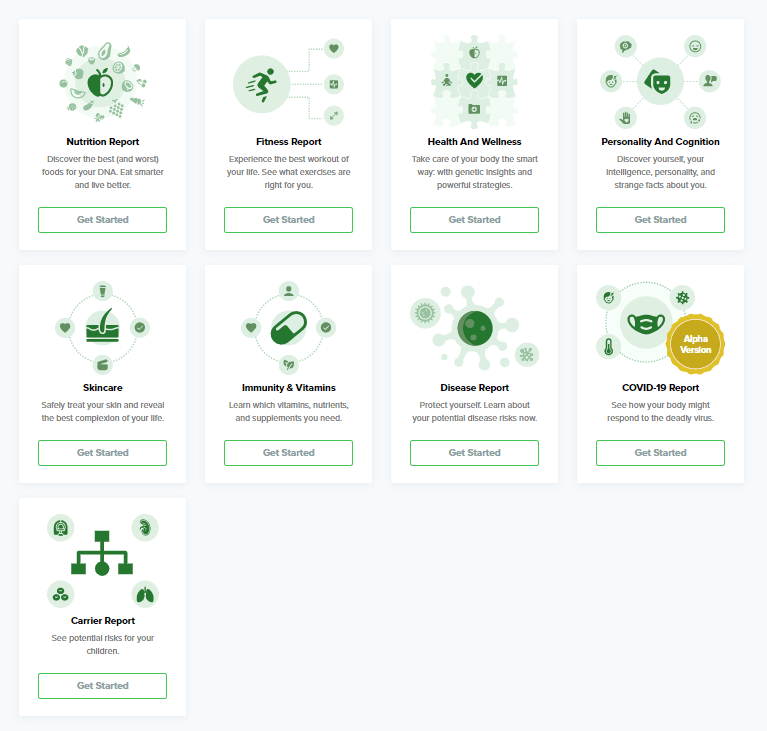
Wellness report bundle – $129, comes with one-year platinum membership, nutrition report, fitness report, vitamins and supplements report, wellness report, personality and cognition report, and skincare report
Wellness test bundle – $199, comes with a DNA test kit, one-year platinum membership, nutrition report, fitness report, vitamins and supplements report, wellness report, personality and cognition report, and skincare report
What’s Included in LifeDNA's Test?
Personality, intelligence, nutrition, supplementation, fitness, and skincare DNA reports.
Report on 130+ genetic traits, including an actionable recommendation for each trait report.
Unlimited access to updates
After submitting your raw DNA data, you get reports that include these traits:
It takes around two weeks to process your LifeDNA test results.
Is LifeDNA Accurate?
Yes, for the most part. Some users felt like their results weren't totally spot-on, but many others who availed of one-on-one counseling saw that their results were pretty accurate and easily explained by the genetic expert.
However, take into account that tests may vary in accuracy, no matter where you take them. It depends on many factors, such as if your sample was properly taken, delivered, and handled. Mistakes may occur at any step.
Take into account that DNA analysis isn't always foolproof either. So there may be some discrepancies in your results.
Still, if everything goes right, you can look forward to some interesting insights into your life, health, and genetics. Always take DNA test results with a grain of salt and consult a genetic expert to best understand what they mean.
Platinum members of LifeDNA enjoy the following perks:
One-on-one consultation with a genetic expert
Unlimited updates and additional traits
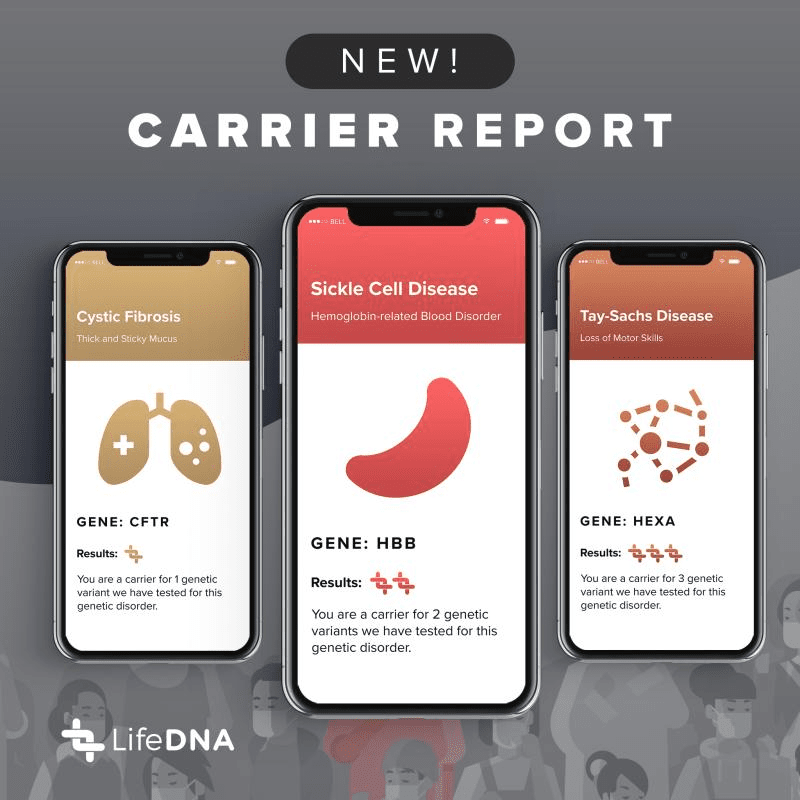
Disease, Carrier Trait, Fertility, Gut Health, and Covid-19 Reports
Access to LifeDNA smart nutrition app (launching soon)
Complimentary membership to LifeDNA’s exclusive community on Facebook
Free Genomics Newsletter subscription
VIP customer service
Is LifeDNA Worth the Money?
Yes, we think so. While it was pretty expensive, the one-on-one consultation more than made up for the price. The consultant was incredibly professional and knowledgeable. They laid out our results and explained the lifestyle changes we had to make according to those results.
They were able to explain everything to us—from our disease risk to beauty and skincare recommendations. The reports themselves were also pretty eye-opening, especially for first-time test-takers.
The decision to test your DNA comes with a cost and ideally involves endorsement and guidance from a professional.
This keeps anyone from making health-related choices based on inaccurate, incomplete, and misunderstood test results. However, if you’re worried about a particular ailment, get tested. This can eliminate uncertainty and identify family members who are also at risk. It may not predict the age of onset, but it can guide diagnostic tests and medical care.
While LifeDNA reviews are mostly positive, some DNA testing companies provide DNA analysis for free or at a lower price. However, they don’t come with personalized supplements or beauty products. Furthermore, their reports may not include the genetic traits that LifeDNA offers.
LifeDNA
Genetic Genie
MyTrueAncestry
GEDMatch
Price
$59-199
Free
Free base cost, higher tiers between $37-844
Free base cost, $10 monthly fee for upgrade
Offers genetic testing?
Yes
No
Yes
No
Can upload DNA data?
Yes
Yes
Yes
Yes
Consultation?
Yes
No
No, but they have social media groups
No
Source: 123rf
New research in genetics constantly evolves. The kind of DNA tests available today didn’t exist ten years ago. Even then, the advances in genetic testing played a role in diagnosing and treating certain diseases.
However, other factors impact gene expression. This includes age, exposure to substances, and environmental influences (LifeDNA points out that your results won’t be 100% accurate because of this).
So as much as genetic testing can help you plan, it’s a bit premature to build solid plans around just DNA results.
Genetics is a vital piece of the jigsaw puzzle that makes up life, but it’s just one part of who you are.
An organism’s genome holds the blueprint for building and maintaining that organism. In humans, every single cell in the body contains a copy of the entire genome. 3.2 billion DNA base pairs are residing in the chromosomes within the nucleus.
Genomic analysis refers to the process of identifying, measuring, and comparing features such as DNA sequence and gene expression at a genomic scale.
It involves three main steps:
Given a DNA sequence, identifying which portions of the genome are involved in coding proteins and which aren’t
Identifying the genome’s main elements
Splitting a newly sequenced genome into coding and non-coding regions
Different methods and machines exist for sequencing genomes. The average sequencing project takes three to seven days to complete, depending on the sample count.
Medical DNA Test vs. Consumer DNA Test
A medical DNA test is more regulated than a number of home DNA tests because of the controlled environment. It specifically tests for a wide range of genetic mutations. These genetic mutations are often associated with particular diseases and types of cancers.
A medical DNA test involves formal genetic counseling and risk assessment before and after the test. Getting tested further won’t be necessary to confirm the results.
Your insurance most likely covers the testing costs, too, so you don’t have to spend anything out of pocket.
However, not all DNA testing kits are created equal. A home DNA test or a direct-to-consumer test may require further testing. This is to confirm a mutation noted in the test.
Source: 123rf
A home DNA test tests for select mutations in a limited number of genes related to certain diseases. It is not like a medical DNA test. Unfortunately, it isn’t covered by insurance. A genetic counselor isn’t typically involved, either. What you get is often limited to online education.
Reading your results online can be challenging as well. You can easily misunderstand parts of the health reports.
For doctors and scientists to closely examine DNA, both tests will require the following:
Blood test
Hair sample
Mouth swab
Health and Wellness Benefits of Home DNA Testing
The evolution of DNA testing technology has promoted awareness of genetic diseases. Nearly a third of a poll’s respondents said that they or their family members have considered getting tested. This is because testing has become easier and cheaper.
A DTC or home DNA test kit can be effortlessly obtained and used. It doesn’t require approval from your health insurance company or healthcare provider.
How Does Home DNA Testing Benefit You?
While it isn’t a diagnostic test, people find out right away if the risk of having cancer is high. A home DNA test can also reveal if a person is at risk for Alzheimer’s and other illnesses.
DNA testing can be instrumental in helping people take the necessary steps to protect themselves and keep healthy.
A DNA test may be used to educate family members about potential health and genetic risks. This can help them make lifestyle changes if needed.
In-depth knowledge of your risk for diseases can be beneficial in a significant way. Knowing your risk is low equally provides a sense of relief from uncertainty.
It is important to note, however, that testing won’t eliminate your risks at all. But the information you get from a DNA test is essential. It will empower you to make informed lifestyle and medical changes. Seek help from a qualified health professional.
How We Evaluated The Test
We spent hours of thorough research, reading reviews, and scouring the web. We also tried some features ourselves. After much effort, our team came up with the criteria for rating LifeDNA.
Accuracy
We looked at the company's research and development procedures. We wanted to ensure their reports were based on the most recent findings in the relevant fields of science.
Privacy
We prefer companies that have good security to uphold their users' privacy. There is a lot of sensitive information in DNA test results and genetic makeup, and, in the wrong hands, that information can be used to hurt you. So, we make sure to only recommend DNA tests and services that strive to be secure and keep your information private.
Price
We want to ensure that a product or test earns its price tag. We compare tests and services to other companies' equivalents to make sure that you're getting the most of what you pay for.
User experience
We made sure to consider the experiences of consumers and users. If there was an overwhelming amount of disappointment in a product, service, or test, we consider it. If we see that a company's customer service goes above and beyond, we also make sure to note it.
About LifeDNA
LifeDNA is a personal genomics company based in Hawaii, USA. It was founded in 2017 by Cyril Moukarzel, Jared Kushi, and Steve Markowitz.
LifeDNA uses a robust algorithm anchored on 600+ peer-reviewed scientific studies. It generates the following DNA reports:
Intelligence
Personality
Nutrition
Supplementation
Fitness
Skincare
LifeDNA, unlike other testing companies, goes beyond ancestry and disease risk. It ultimately recommends skincare products and nutritional supplements based on your DNA.
Why Trust Us
KnowYourDNA is committed to making healthcare more accessible to the public. It is why we feature products that meet industry standards.
We only choose at-home kits that provide reliable testing methods and science-backed reports to improve your health.
Our in-house medical experts help to ensure the accuracy of our content. They review all the information we give to our readers before publication.
Human Papillomavirus DNA Test
Feeling tense about your next cervical screening is normal. By the end of this guide, you’ll understand why HPV DNA testing matters, how it’s done, and what your results really mean. If you’re new to the basics of genetic testing, start there for a quick refresher.
Key Takeaways
Here’s the quick version before we dive deeper.
HPV is common: Nearly everyone who’s sexually active will catch it at least once.
High-risk types matter: A handful of strains can lead to cervical cancer if they linger.
DNA test spots the virus early: It finds high-risk HPV before abnormal cells appear.
Screening rules depend on age: Most people begin HPV testing around 25.
Positive ≠ cancer: A positive result simply means closer follow-up, not panic.
What Is HPV?
HPV is a family of more than 200 viruses that spread through skin-to-skin sexual contact. Most people never feel a symptom and clear the infection on their own.
A Very Common Virus
Think of HPV like a common cold for the genital area—easy to catch, usually gone in a year or two. Roughly 13 million Americans pick up a new HPV infection every year, and most never know it.
Not All HPV Is Created Equal: High-Risk vs. Low-Risk
Low-risk types (such as HPV 6 and 11) can cause genital warts but rarely cancer. High-risk types (like HPV 16 and 18) can persist and, over time, trigger precancerous cell changes.
The Link Between High-Risk HPV and Cervical Cancer
Persistent infection with high-risk HPV causes almost every case of cervical cancer worldwide. The same strains are also tied to less common cancers of the anus, penis, vulva, vagina, and throat.
HPV DNA Test Explained
This section shows how the test works and why it’s different from a Pap smear. Remember, the test hunts for the virus itself—not for cancer cells.
What the Test Detects
The lab looks for fragments of high-risk HPV DNA in cervical cells. If the virus is present, the test flags it—long before a Pap smear might notice cell changes. Learn how labs handlefalse positives in genetic testing for extra peace of mind.
How the Sample Is Collected
Your provider inserts a speculum, then gently brushes the cervix to gather cells. The same sample can serve both the HPV test and the Pap smear, so no extra procedure is needed.
Cost check: Wondering about price? Explore our guide to the cost of genetic tests for budgeting tips.
Self-collection swabs, done under a nurse’s guidance, are emerging in some clinics.
HPV Test vs. Pap Smear: Complementary Tools
A quick orientation sentence: Both tests protect you, but they look for different clues.
HPV DNA Test
Pap Smear (Cytology)
Detects high-risk viral DNA
Examines cervical cells for abnormalities
Flags risk before cell changes occur
Finds changes after they start
Recommended every 5 years in many adults
Often paired with HPV test or done every 3 years alone
Cannot diagnose cancer
Can reveal precancer or cancer
Who Should Be Tested — Current Guidelines
Guidelines evolve, but these 2025 recommendations offer a solid starting point. Always confirm with your own healthcare provider.
Age Matters
Screening usually starts at 25 because teens and early-20s adults clear HPV quickly. Testing too early could prompt needless worry and procedures.
Testing Strategies: Primary HPV vs. Co-Testing
Primary HPV every 5 years (preferred). One test, long interval.
Co-testing every 5 years. HPV plus Pap adds a cytology safety net.
Pap alone every 3 years. Option for those 30-65 when HPV testing isn’t available.
Primary screening means the HPV DNA test leads the process, and the Pap steps in only if needed.
Making Sense of Your Results
Your provider will label the test negative or positive. Here’s how to interpret each outcome.
HPV Negative: What It Means
No high-risk HPV DNA was found. Your immediate risk of cervical cancer is very low, so stick with the routine screening interval.
HPV Positive: What It Means (and Doesn’t Mean)
A high-risk strain is present, but that alone is not a cancer diagnosis. Most positive tests clear within a year; the goal is simply to monitor you more closely.
Next Steps After a Positive Result
Repeat testing in 12 months to see if the virus clears.
Pap smear (if not done) to check for abnormal cells.
Colposcopy—a magnified cervical exam with possible biopsy—if results stay abnormal.
Early detection allows treatment of precancerous tissue before it ever becomes cancer.
Staying Ahead of HPV
Prevention pairs vaccination, safer sex, and regular screening. Together, they slash your cancer risk.
The Power of the HPV Vaccine
Vaccination at 11-12, with catch-up until 26, blocks the strains that cause most cancers. Adults 27-45 may still benefit after a chat with their doctor.
Safe Sex Practices Still Matter
Condoms reduce but don’t eliminate HPV risk because they can’t cover all skin.
Limiting partners and avoiding smoking also help your immune system keep HPV in check.
Don’t Skip Screening (Even if Vaccinated!)
Vaccines don’t cover every high-risk strain, so HPV testing remains essential. Regular screening catches persistent infections before they can do harm.
What This Means for You
HPV DNA testing is a powerful early-warning system, not a verdict. If you’re unsure how your results fit into your overall health, a genetic counselor can help you map out next steps and ease any worries.
Is DNA Fitness Testing Worth It in 2024? - Our Review
Ever wonder why some people seem to build muscle easily while others are naturally great runners? Or why do certain diets work better for some than others?
DNA fitness testing can give you personalized insights into your body's unique needs and help you reach your fitness goals. Let's explore how it works.
What are the Benefits of DNA Fitness Testing?
DNA fitness tests analyze your genes to see what type of exercise is best for you. For example, some genes determine if you have more fast-twitch or slow-twitch muscle fibers.
Fast-twitch fibers – These are great for quick bursts of energy, like sprinting or weightlifting.
Slow-twitch fibers – These are better for endurance activities, like long-distance running or cycling.
Knowing your muscle type can help you choose the right exercises to maximize your results. Your genes can also affect how quickly you recover from exercise. This can help you determine how much rest you need between workouts.
How Does DNA Fitness Testing Aid Nutrition?
DNA testing can also provide valuable information about your diet. Having this can help you create a diet plan that supports your fitness goals and overall health.
Here's what it can tell you:
Nutrient metabolism – How well does your body process carbs, fats, and proteins? Some people might be better at using fats for energy, while others might thrive on a higher-carb diet.
Food sensitivities – Do you have any intolerances, like lactose intolerance or gluten sensitivity?
Vitamin and mineral needs – Are you at risk for any deficiencies?
Can DNA Fitness Testing Detect Health Risks?
DNA fitness testing can reveal potential health risks. This can help you take preventive measures and make informed choices about your lifestyle.
For example, if you have a higher risk of heart disease, you might focus on exercises and a diet that support heart health. Or, if you're prone to certain injuries, you might choose activities that are less likely to cause problems.
By combining these insights with healthy lifestyle choices, you can reach the fullest potential of your fitness journey.
Do DNA FitnessTests Work?
There are mixed opinions about whether DNA testing provides useful information or value. However, most health professionals agree that the more you know about your body, the better.
Most believe that genetics play a role in how your body processes macronutrients, so understanding this helps you beneficially tweak your diet. There are also studies that show that personalized diet and fitness plans are the best way to get results.
However, Dr. Robert Green, a Harvard Medical School professor and director of the Genomes2People Research Program, says that some companies tend to misrepresent the link between DNA and a fitness outcome. For example, while there are genetic markers associated with the activities of fast-twitch muscle fibers and their use in resistance training, there are hundreds of other variables that should be looked at.
How to Choose the Best DNA Testing Services
It's important to choose a service that not only provides valuable insights but also protects your privacy and offers a user-friendly experience. Before choosing a service, here are some tips to keep in mind:
Read reviews from other users to get their perspectives.
Compare the prices and features of different services.
Consider whether you want personalized recommendations or just raw data.
Let's break down some key factors to consider when comparing different DNA fitness testing services.
1. Prioritize Strong Privacy Policies
Your DNA contains very personal information. It's crucial to choose a company that takes your privacy seriously.
Look for services with strong privacy policies that clearly explain how your data will be used and protected. Some companies might share your data with third parties for research purposes.
If you're not comfortable with this, make sure to opt out or choose a company that doesn't share data without your explicit consent. Some companies allow you to delete your data after testing if you're concerned about long-term privacy.
2. Consider What Results You Want
Different DNA fitness tests offer different levels of detail. Some tests analyze a wide range of genes related to fitness, nutrition, and health risks, while others focus on just a few specific areas.
Think about what you want to learn from your test. Do you want a comprehensive overview of your fitness profile, or are you mainly interested in specific traits like muscle composition or injury risk?
Choose a service that provides the level of detail you're looking for and offers actionable insights that you can use to improve your fitness and health.
3. Choose a User-Friendly Service
Getting your DNA results is just the first step. You also want a service that makes it easy to understand and use the information. Look for companies that offer:
Clear and accessible reports – Reports should be easy to read and understand, even if you don't have a background in genetics.
Customer support – If you have questions about your results, it's helpful to have access to customer support or genetic counseling.
Integration with other data – Some services allow you to upload raw DNA data from other companies, which can be convenient if you've already taken a DNA test.
Choosing a DNA fitness testing service is a personal decision. By considering factors like privacy, comprehensiveness, and user experience, you can find a service that meets your needs and helps you achieve your fitness goals.
How to Interpret DNA Fitness Test Results
Your DNA test results provide a wealth of information about your body's unique needs. Here are some key information you’ll likely gain:
Macronutrient utilization – This tells you how well your body processes different types of fuel, like carbs, fats, and proteins. Some people might be better at burning fat for energy, while others might need more protein to build muscle.
Exercise response – This reveals what types of exercise are best suited for your genetic makeup. Are you built for endurance activities like long-distance running, or do you have a natural talent for power-based exercises like weightlifting?
Weight loss potential – Your genes can influence how your body responds to different weight loss strategies. Knowing this can help you choose the most effective approach for your body.
Nutrient absorption – This shows if you have any genetic variations that affect how well you absorb certain vitamins and minerals. Some people have a genetic predisposition to needing more vitamin D or iron.
If you think DNA fitness testing might be right for you, here are a few of the tests available in the market. They come in the form of a DNA test kit. You can take these DNA tests from the comfort of home.
DNA Fitness Tests
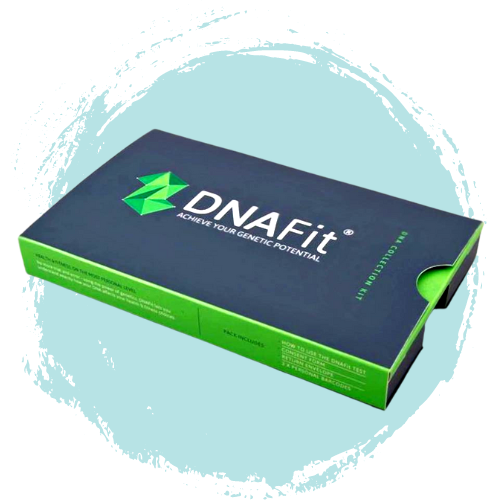
1. DNAFit DNA Test Kit
This test provides:
Information about 30 genetic diet traits, including how your body metabolizes fat and carbohydrates
DNA diet menu that includes more than 700 recipes designed to suit your DNA profile
Information about how your body responds to certain exercises
Recommendations for exercises you should try
Ancestry report that provides information about your ethnic composition
This is one of the most affordable kits available. You get a basic Ancestry report and a customized menu plan that makes it easy to implement the suggested changes.
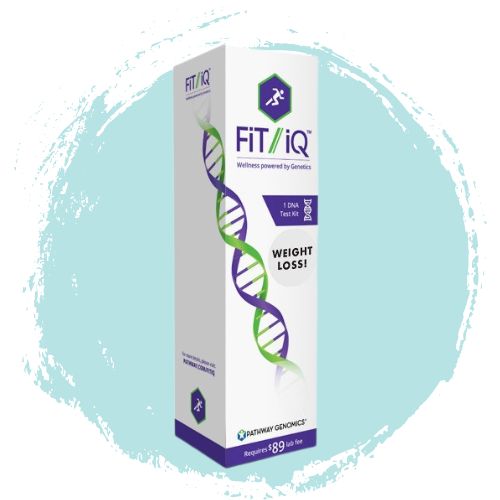
2. Pathway Genomics FiT iQ Weight Loss + Diet DNA Test
This test provides:
Information about the potential genetic link causing your food cravings, including your sweet tooth and snacking tendencies
How your body reacts to macronutrients, as well as lactose, alcohol, caffeine, and more
How you can best achieve weight loss
Personalized diet plan
Exercise recommendations
This test provides:
Information about the potential genetic link causing your food cravings, including your sweet tooth and snacking tendencies
How your body reacts to macronutrients, as well as lactose, alcohol, caffeine, and more
How you can best achieve weight loss
Personalized diet plan
Exercise recommendations
This test gives you an in-depth report with clear explanations in a shorter turnaround time than other tests on the market. Some of the information is basic and includes things you probably already know about your body.
More than 20 personal insights regarding how your DNA affects your nutrition and fitness
More than 30 actionable items you can take to improve your health and fitness
Deep dive into your genetic information
Seven-day workout plan based on your genetic makeup
Nutrition guide and recipe plan
This test offers one of the most in-depth options available. It includes free recipes and a one-week exercise plan based on your DNA, with the option to upgrade for a fee. It's one of the pricier tests available.
Most of these tests require you to upload DNA samples for testing, but some pull your raw data directly from another testing provider, such as Ancestry and 23andMe. Make sure you know which option is required before choosing a test.
What Should You Do with Your DNA Fitness Test Results?
Now that you understand your genetic blueprint, here's how to create a personalized fitness and nutrition plan:
Choose the right exercise – If your DNA suggests you have more fast-twitch muscle fibers, focus on strength training and high-intensity workouts. If you have more slow-twitch fibers, endurance activities might be a better fit.
Optimize your workouts – Pay attention to your genetic predispositions for recovery and injury risk. Adjust your workout frequency and intensity accordingly to avoid overtraining and stay safe.
Tailor your diet – Adjust your macronutrient intake based on your genetic profile. If you metabolize carbs poorly, a lower-carb diet might be beneficial. If you need more protein, make sure to include plenty of protein-rich foods in your meals.
Address sensitivities – If your test reveals any food sensitivities, like lactose intolerance, make sure to avoid those foods.
Supplement wisely – If you have a higher risk of certain nutrient deficiencies, consider adding supplements to your routine.
We suggest keeping an eye on changes in your weight, body fat percentage, and muscle mass to see how your body is responding. Pay attention to how you feel. If you're feeling tired or experiencing any discomfort, adjust your plan accordingly.
If you're feeling overwhelmed or need help interpreting your results, consider working with a DNA-based fitness coach or nutritionist. They can provide expert guidance and support to help you reach your goals.
By understanding your genetic insights and taking a proactive approach, you can create a personalized fitness and nutrition plan that works in harmony with your body.muscle fibers and their use in resistance training, there are hundreds of other variables that should be looked at.
Do DNA Diets Really Work?
You’ve likely seen ads promising a diet “written in your DNA.” The pitch is simple: swab your cheek, get a meal plan, lose weight. But nutrition and genetics are more complicated than a catchy slogan.
Key Takeaways
A quick snapshot before we dig in:
How it works: DNA diets match foods to tiny DNA changes called single-nucleotide polymorphisms (SNPs) that can alter nutrient processing.
What studies show: Some long studies report better weight-loss maintenance with gene-guided plans, yet many trials find no extra benefit over standard advice.
Genes aren’t everything: Sleep, stress, cost, and taste still drive success; DNA tests can’t track daily habits.
Fine print matters: Labs may boast 99% technical accuracy, but evidence linking each SNP to a food rule is often weak.
Who may benefit: People with clear issues—like lactose intolerance or slow caffeine clearance—can gain targeted tips from a reputable test.
Red flags: Avoid kits that promise rapid fat loss, skip professional support, or hide how they use your genetic data.
Bottom line: Treat genetic insight as one tool, not a magic fix, and pair results with advice from a dietitian or genetic counselor.
What Are DNA-Based Diets?
DNA-based diets use a lab report of your genetic variants to suggest calorie goals, macro ratios, and foods to favor or limit. You mail saliva to a certified lab, which scans dozens of SNPs tied to metabolism, fat storage, caffeine breakdown, and vitamin handling. The company then builds a meal guide that claims to suit your biology.
The science behind genetic influences on diet
Genes make proteins that direct digestion, energy use, and hunger signals. When a SNP tweaks a gene, its protein may speed up, slow down, or shut off. One example: a change in the LCT gene can stop lactase, the enzyme that digests milk sugar, leading to lactose intolerance. DNA diets scale that idea to many nutrients at once—but every SNP-food link must be validated in large studies to be reliable.
Can DNA-Based Diets Improve Weight Loss and Health?
Research is mixed. One 300-day study showed that 73% of people on a gene-guided plan kept weight off, versus 32% on a standard plan. They also dropped more body-mass index points.
Yet other randomized trials report no added benefit. Programs lasting only 8–24 weeks often end with both groups losing similar pounds, suggesting habits—like tracking meals or joining coaching calls—matter more than genetics alone.
Success stories and limitations of DNA diet programs
Case reports highlight users who finally managed cravings after learning they carry a slow-caffeine CYP1A2 variant or an APOE4 profile that raises LDL on high-fat diets. Still, most commercial kits analyze fewer than 100 SNPs while thousands may shape nutrition, so many “personal” tips turn out generic.
How Your Genes Influence Your Diet
Different genes nudge your body to prefer, store, or burn nutrients in unique ways:
Metabolism drivers: Variants in FTO can raise hunger and appetite for energy-dense foods.
The role of genetic testing in customizing diet plans
A quality test turns these variants into plain tips: add leafy greens for folate, limit saturated fat if your APOA2 pattern spikes cholesterol, and move coffee to mornings if you’re a slow caffeine metabolizer. A dietitian then balances those tips with your culture, budget, and health goals.
The Limitations of DNA-Based Diets Scientific gaps
Many SNP-food links rest on small or conflicting studies, and leading dietetic groups say nutrigenomics isn’t ready for routine practice. Most trials run only a few months, while gene effects can take years to unfold.
Environmental and lifestyle factors
Genes don’t track supermarket choices, sleep debt, exercise, or stress—all big drivers of weight and blood sugar. Two siblings with identical variants can see opposite results if one works night shifts or skips breakfast.
Choosing a DNA-Based Diet Service
With dozens of “precision nutrition” kits on the market, compare features carefully.
What to look for in a reliable service
Certified lab: CLIA or CAP accreditation proves quality control.
Transparent science: The firm lists every gene tested and links to peer-reviewed studies.
Qualified support: Registered dietitians or genetic counselors explain results and tailor plans.
Data security: Clear policy on how your DNA is stored and shared.
Realistic claims: No promise of miracle weight loss or disease cures.
Next Steps
DNA can offer helpful clues, but lasting change comes from consistent habits. If you’re curious about testing, talk with a registered dietitian or board-certified genetic counselor. They can blend genetic insights with proven nutrition guidance and a lifestyle plan you’ll enjoy—and maintain.