What Happened to Orig3n?

Many great DNA testing companies provide information that helps you trace your genetic heritage and determine if you have any genetic health risks.

But those familiar with the various testing options may remember one genetic testing company and their genetic tests that were embroiled in some controversy: Orig3n DNA.
What Happened to Orig3n? 1

Did Orig3n Fail to Identify Dog DNA and Tap Water?

In 2018, dog DNA was sent to Orig3n for testing by Katie Stoll, a geneticist and executive director of the Genetic Support Foundation, who seemed skeptical of the testing company, especially about its children’s DNA tests.

Stoll swabbed her dog’s cheek and sent it to the company for testing.1 She was shocked to find out that the company provided her with actual results and a full genetic profile and failed to recognize that the DNA was nonhuman.

In an effort to let the company redeem itself, she sent in another sample using their genetic testing kits. This time, her sample was just tap water. She was disappointed to receive another full report, even if the sample was not even a DNA swab at all, much less a human one.

Other DNA testing companies have been able to detect if the test kits that come back do not contain human samples and often render the results inconclusive. Orig3n, however, did not.

This opened the company up to a lot of criticism—but it wasn’t the last of their public blunders. This investigation was only one of several that plagued the company.

What Happened to Orig3n? 2

Former Orig3n Employees Speak Out About Tampering Data

In 2019, whistleblowers who worked for Orig3n stated publicly that the company knew its testing process had problems but actively covered it up. They did this by tampering with data to hide the system’s flaws.

Additionally, law enforcement launched separate investigations into quality control problems at Orig3n DNA. According to the investigation, DNA specimens were contaminated, rendering the results inaccurate.

The former employees reported that Orig3n consistently cut corners in order to expedite processes or just failed to meet scientific testing standards.4

Not only did the employees admit that the company was fabricating results, they were also:

Orig3n and COVID-19 Tests

What Happened to Orig3n? 3

Source: Joshua Hoehne on Unsplash.com

Later, in 2020, Orig3n was tasked by the state of Massachusetts to conduct COVID-19 testing as part of emergency protocol. They were given authorization to perform tests, given that the coronavirus situation had gotten worse and they needed more testing centers.

Despite the decision being met with hesitation by those already criticizing Orig3n for its lack of scientific standards, the DNA testing company was allowed to begin testing on the public.

However, their COVID-19 testing license was suspended by the Massachusetts Department of Health later on as investigations revealed anomalies in their results.

According to the DOH, the lab had produced “an unusually high positivity rate of tests.” It turns out that they sent out hundreds of false positives and put patients who were mistakenly considered positive for COVID-19 in danger.2

Their certificate to operate a clinical lab was suspended shortly after by federal agencies.3

How Did People Find Out About the Orig3n Controversies?

Orig3n DNA’s controversies came out on several news outlets and garnered negative attention.

Public outrage steadily escalated after the dog DNA incident and only continued as the whistleblowers came forward. When they publicly endangered several people with the COVID-19 false positive results, they were even more heavily criticized.

This is especially because many of the false positives were found in senior homes—so people were angry that many nursing home residents who didn’t have COVID-19 but tested positive were put in danger by being entered into COVID-19 wards, where they could actually get sick.

What Happened to Orig3n? 4

Orig3n was then pretty widely criticized for not just cutting corners and failing to uphold a lot of scientific integrity but also for publicly endangering many (especially those in nursing homes) who underwent their COVID-19 testing procedure.

Many thought that it was a shame that Orig3n had gotten so caught up in controversy, as they were heavily marketing their tests everywhere as one that was easy (instead of blood samples, they used cheek swabs for most tests) and could provide you with a wealth of information about yourself or your children.

Is Orig3n Still Operating Now?

It’s unclear if Orig3n is still in business, as there’s no accessible website or official list of products.

However, it’s important to note that they have not posted on their social media channels since their last controversy in 2020, and their products are only available here and there on Amazon, Walmart, and other third-party sellers.

Orig3n’s tests on these third-party sales websites are also pretty poorly reviewed overall, with some bad reviews even pre-dating any of the controversies. Consumers are complaining that the results were pretty generic and meaningless or already told them what they already knew.

Many of the more recent reviews from people who bought the tests from Amazon are also complaining that the site and app are now defunct, making registering their data and accessing their results impossible.

Some reviews from 2021 onward have said, however, that they did get to send back their test kits and get in touch with customer service, only to be told that results still haven’t been processed, even after several months.

So it’s possible that there’s still some semblance of a skeleton team at Orig3n, but they’re definitely not working full force or making themselves visible.

What Happened to Orig3n? 5

What Kind of DNA Testing Did Orig3n Provide?

One of the benefits Orig3n consistently marketed was the variety of different tests offered by the company. They kept talking about how they had 19 tests that could tell you about different lifestyle-related traits and genetic predispositions.

Orig3n’s tests provided information about:

These tests were marketed as offering a wide range of information that you could use to improve your health and make better lifestyle decisions.

Orig3n also offered mini-tests that addressed a “more focused” set of gene variants.

These tests offered information about specific issues, such as:

It’s easy to see how a look into your body’s response to various things on a molecular level would be helpful. For example, if you learn you are especially sensitive to caffeine, or you have out-of-the-norm alcohol intolerance, you can adjust your behavior to better suit your health.

Orig3n also prided itself on the fact that you didn’t have to do the test 19 times, it was a single genotyping test, and the results were just sold separately. However, despite its claims of comprehensive testing and cutting-edge research, Orig3n let a lot of people down.

What You Got with Your Report

Depending on the kind of test you chose, you would get different results per report.

You first had to decide what kind of test you wanted to take. Depending on what you wanted to find out more about, you could zero in from there. Most people based their choices on their suspected health risks or if they wanted to learn more about their bodies to optimize workouts and nutrition.

For example, if you have a family history of alcoholism, you might be interested in learning about your alcohol tolerance. If you are overweight, you might want to know more about your metabolism.

This variety and wealth of information is what made Orig3n so appealing to such a wide audience before they were caught cutting corners.

Some of the most popular test options from Orig3n’s included:

Fitness and Nutrition

What Happened to Orig3n? 6

Source: Jonathan Borba on Unsplash.com

Those interested in better weight management and their own athletic prowess used Orig3n’s Fitness DNA Test and the Nutrition Test. Each of these provided personalized information that helped you better understand your metabolism and how efficient your body is at building and repairing muscle.

The Fitness and Nutrition results were meant to help you learn about how long it takes you to recover, what can help you feel fuller after eating, and how sensitive your body is to sugar.

The Nutrition Tests provided information to help you better design your diet and exercise routine. You’d learn about your body’s ability to break down food, what vitamins you might need, and whether or not you have food sensitivities.

However, when Orig3n was suffering bad PR from its scandals, these tests were met with a lot of skepticism.

Beauty

Orig3n’s Beauty DNA tests offered information about how your skin ages, its health, and its elasticity. There was also a plethora of information regarding your skin’s tolerance for sun exposure and if there’s anything you need to do to reduce your risk of developing skin cancer in the future.

Again, a lot of consumers widely contested a lot of this, and later on, these tests were doubted by potential customers when the controversies came out.

What Happened to Orig3n? 7

Behavior

Take note that the study of behavioral genetics is new, and many people (especially in the scientific community) consider it controversial.

This, and the next test we discuss, were some of the biggest red flag tests that geneticist Katie Stoll and other scientists were skeptical of, and that led to them sending in non-human samples in the first place.

Despite the infancy of behavioral genetics, it can still tell us a little bit about our personalities—or at least what potentially influences and shapes them. This type of test was designed to help you learn more about your moods, your reactions, and your approach to living via your genetic makeup.

Other DNA testing companies are able to show how certain genes can contribute to certain traits, and this is what this test was meant to do as well.

Child Development

What Happened to Orig3n? 8

This type of DNA test was meant to offer information regarding your child.

The test was meant to look at a variety of factors, including math ability, musical inclinations, language learning, sleep patterns, fitness, and nutrition. If you wanted an in-depth look into your child’s health and genetics, this test was supposed to offer a jumping-off point.

Genetics experts recommend taking test results such as these with a grain of salt, but the selling point for this was that knowing more about the role genetics play in your child’s development could help you better understand your child.

This test also attempted to predict language learning capabilities, which was heavily contested by critics and became a big part of the investigation into Orig3n.

Orig3n DNA also offered “fun” DNA tests that provided insights into interesting traits all of us might or might not have. For instance, the Superhero DNA Test offered information about muscle mass, endurance, and language ability.

Was Orig3n DNA Accurate?

Sadly, it’s difficult to tell if Orig3n was accurate with any of its tests, given its history of controversy. The fact that they could not distinguish between a human DNA sample and a dog’s (or even just plain tap water) is untrustworthy at best.

Not only that but the fact that more than a dozen of their ex-employees came forward to report falsified results, specimen contamination, and even shoddy processes makes them even more questionable.

Lastly, their dangerous public health blunder with the numerous false positives when it came to COVID-19 tests made consumers wary of their business altogether.

How Did the Orig3n DNA Test Work?

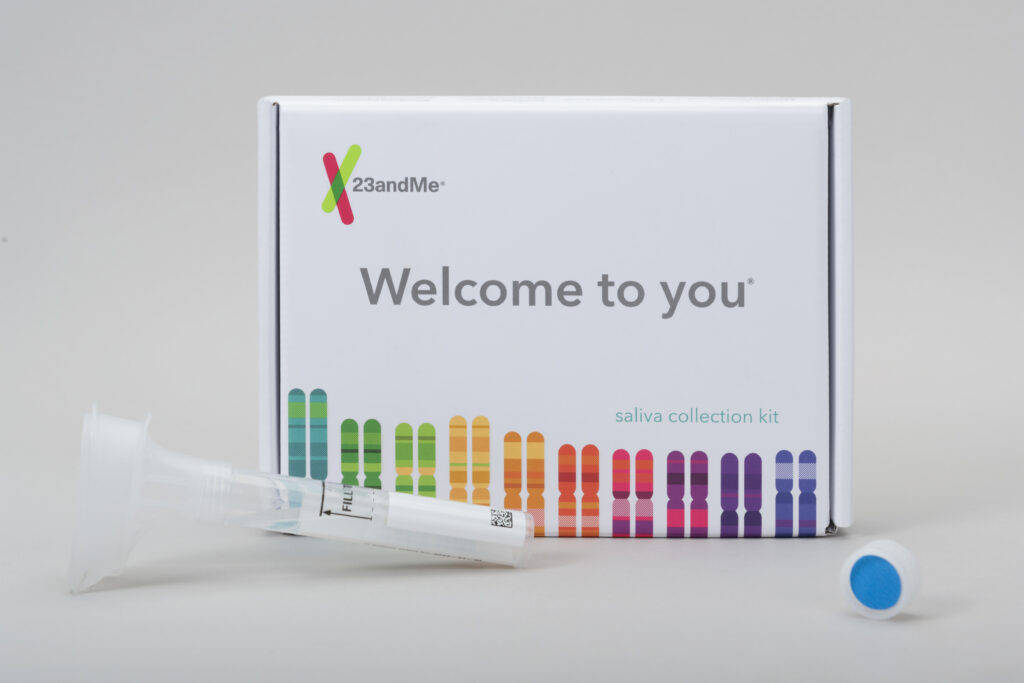
Orig3n works just like other direct-to-consumer at-home DNA testing. You get the kit and follow the instructions:

  1. Collect your sample – Orig3n required cheek swabs, making it easy and non-invasive
  2. Seal the sample – You had to seal your sample with the equipment provided in the kit to make sure it was secure
  3. Mail it back to the company – Sending it back to Orig3n was as easy as dropping it off at the closest mailbox or shipping company
  4. Wait for results – Results would arrive within business days back then and you could access them on the app or website (however, this is no longer the case—and many are complaining that they have been waiting months for any kind of response)
What Happened to Orig3n? 9

Should You Be Concerned About Privacy?

Again, as with all DNA tests, you should be concerned with privacy.

Most DNA companies provide information about their privacy policies, but it’s important to carefully consider how comfortable you are with submitting your DNA sample to a company.

Many of these companies sell your information to third parties or at least have the legal authority to do so, as long as you don’t deny them this ability—so make sure you read the fine print.

Before taking a DNA test, make sure you understand the company’s policy on the storage and handling of your DNA. 

Find out if you can deny a DNA company the ability to share or sell your information and delete your test results as soon as you’ve downloaded them.

With Orig3n specifically, privacy is probably the least of your worries, considering the other public mistakes they’ve made. So if you’re opting for another at-home test, make sure you do your due diligence and look into the company.

What Happened to Orig3n? 10

Should You Try a DNA Test?

It’s important to take the results of a DNA test with a grain of salt.

Based on the information that’s come to light about Orig3n’s practices, it’s better to work with a reputable company with a solid reputation.

However, even then, it’s important not to take the results as gospel.

The best thing you can do is discuss whatever you learn from a DNA test with your doctor and/or a geneticist. These tests provide interesting and useful information, but only when interpreted correctly.

What It Means to Have a Family History of Disease

The following diseases are just some that can run in your family, especially if you and your relatives have a history of these conditions:

What It Means to Have a Family History of Disease 11

Source: 123rf

You have a higher chance of contracting these diseases if your family also has them. These aren't the only ones, but these are usually the first few that doctors look out for.

Still, it’s important to remember that a family history doesn't guarantee you'll get a disease. Understanding your family health history helps you evaluate your risks. Moreover, a healthy lifestyle and a good environment matter.

To lower your risk, eat well, stay active, and talk to a doctor if you're concerned. A geneticist or healthcare professional can give you personalized advice and suggest genetic testing to understand your risk better.

What Does It Mean When People Say a Disease Runs in the Family?

Most people consider a disease that affects two or more family members within the same biological family something that runs in families.

There are several reasons why a medical condition might run in a family, including:

What It Means to Have a Family History of Disease 12

Source: 123rf

Usually a disease that runs in the family is a genetic disorder, but your susceptibility to other diseases may increase if you are raised in an environment that may allow those diseases to thrive.

For example, if your family stays in a polluted area and leads an unhealthy lifestyle with a poor diet, you may be prone to contracting the same diseases your relatives have.

You may also exacerbate the possibility of an inherited disease if you are not in a good environment or have poor hygiene.

How Do Diseases Get Passed Down?

Because genes are passed down from parent to offspring, any changes that may have occurred in their genes (called mutations) will be passed down to their child.1 Your child is inheriting copies of your DNA, and if you already have mutated sequences or genes, they will get them too.

It's also possible for new mutations to occur in your child's DNA, which they will pass down to their offspring if they have any.

Mutated genes do not function the same way as normal genes—this is what causes the genetic disorder. Sometimes it's just one mutation in a gene. Other times, several can work together to create an even more complex web of genetic illnesses.

What Causes a Gene Mutation?

A gene mutation is caused by random errors in the duplication process of DNA.4 Sometimes, the sequence of the nucleotide bases in your DNA (adenine, thymine, guanine, and cytosine) gets jumbled randomly, or even because of the presence of damaging agents like radiation or chemicals.

These mutations either cause genetic disorders or increase your susceptibility to them.

What It Means to Have a Family History of Disease 13

Source: 123rf

Will You Always Contract the Disease if You Have a Mutated Gene?

If you inherit the gene for a genetic disorder, you won't always show signs of it or even contract it. This is because we each have two copies of genes contained in our chromosomes—one copy from each parent. Even if you inherit one copy of a mutated gene, you won't exhibit signs or symptoms of that disorder. This is called recessive inheritance.1

Genetic disorders inherited in a recessive pattern need two mutated copies in order to manifest. So even if you have one copy, you won't technically exhibit the disease.

However, other mutations can manifest even with just one copy. These are dominant disorders. Dominant inheritance patterns mean that even just one faulty copy of a gene is enough to pass the disease on to your offspiring.

What Does It Mean to Be a Carrier?

If you don't have a genetic disorder but you carry the gene for it, you are a carrier.2

Some genetic diseases "skip" generations, but only because the inheritance pattern doesn't always produce an affected child.

If you carry a recessive gene and have children with someone who doesn't have that same gene mutation, your children may not inherit the condition. However, if you do have children with someone who has the same gene mutation, you run the risk of producing an affected child. So even if you didn't have the disorder, your children may get it.

What It Means to Have a Family History of Disease 14

Source: 123rf

What Are the Different Types of Genetic Disorders?

There are four different types of genetic disorders, namely:

1. Single-gene Gene Mutations

These occur when variations (or mutations) occur in the DNA sequence of one specific gene.3

This affects the product that the gene codes for, causing changes or absences. The features of each disorder are related to the specific affected gene and the job of that gene.

2. Multiple-Gene Mutations

A multiple-gene mutation, often called polygenic or multifactorial inheritance, involves changes in multiple genes working together to influence a trait or predisposition to a condition.

The mutations can work with each other and environmental factors to determine a person’s traits, risk of diseases, or other complex characteristics. Unlike simple variations in one gene, multiple gene mutations involve a more complex web of genetic factors.

3. Chromosomal Changes

Chromosomal changes mean variations in the structure or number of chromosomes inside the cells.

These changes can happen when the cells divide and sometimes lead to conditions like Down syndrome, where there's an extra chromosome. They can be inherited or occur unexpectedly during growth.

What It Means to Have a Family History of Disease 15

Source: 123rf

4. Mitochondrial Mutations

These mutations are changes in the genes of tiny cellular powerhouses called mitochondria.

Mitochondrial mutations can affect how these powerhouses work and cause health problems because they help fuel our cells. Unlike most genes, which come from both parents, mitochondrial DNA is passed down by the biological mother.

Mutations or variations are caused by:

There isn't much you can do if you have an inherent risk for something due to a random error alone. It’s still smart to make healthy choices, but ultimately, you can’t fix the error.

Other Genetic Disorders You May Inherit

Some of the most common genetic diseases that aren’t prevented by lifestyle changes include:

If you'd like to know more about your risk of inheriting these diseases, you can turn to genetic testing and ask your healthcare provider or genetic specialist for guidance and interpretation.

Environmental Risks that Run in Families

Environmental risks run in families due to shared behaviors and living conditions.

If your risk is purely environmental, you can make changes that will significantly reduce your risk. In this case, your risk is not genetic. However, the disease may run in your family because more than one person was exposed to a certain damaging environmental factor.

For example, if your mother developed lung cancer after smoking cigarettes most of her life, there’s a chance second-hand smoke exposure affected you, making you more at risk for lung cancer. You weren’t born with a lung cancer gene, but your environment created a higher risk.

However, if you choose not to smoke and avoid other things that increase your risk of cancer, you’ll have a smaller chance of developing the disease despite your original environmental risk.

What It Means to Have a Family History of Disease 16

Source: 123rf

Other factors such as pollution in the area you grew up in or poor air quality can also affect your chances of getting sick. While these diseases are not something you inherit genetically, living in areas where hygiene and cleanliness are luxuries can increase your risk.

This is why certain communities that live in less-developed areas suffer from similar illnesses.

Genetic and Environmental Risks of Disease

You're more likely to develop a disease if you have both a genetic and an environmental risk for it.

You're still more at risk than the average person, even if it's partly environmental. This might sound frightening, but ultimately, knowing your genetic risks and knowing there are choices you can make to reduce those risks is empowering and can help you better figure out what lifestyle changes to make.

How to Reduce Your Chances of Disease with Genetic and Environmental Risks

For example, to reduce your risk of health issues linked to genetic factors, you can:

For example, consider a woman with an increased risk of developing ovarian cancer because her mother and grandmother had it. She understands this and implements a healthy lifestyle to counteract her risk factors. On top of that, she visits her doctor annually for an examination and undergoes ovarian cancer screenings beginning early in life.

This woman has an increased risk for ovarian cancer because of her family health history. However, she’s managing the risk as much as possible. And if she still develops the disease despite these measures, doctors will identify it early, making it highly treatable.

What It Means to Have a Family History of Disease 17

Source: 123rf

Some diseases that have a link to family history but are also influenced by lifestyle choices:

Even if you can’t avoid a chronic disease or severe illness, understanding its link to your family history can help you manage it better. Also, discuss your family history with your doctor for early screenings.

Genetic Issues Without a Lifestyle Component

There are instances in which lifestyle changes have little to no effect on someone’s likelihood of having a genetic disease.

For example, nothing can be done to reduce someone’s risk of cystic fibrosis.

These single-gene disorders are passed on from parents and recognized early in life. The only thing that can be done is for parents to determine their risk of passing along the risk of a disease to their children. Then, they can decide whether or not to have biological children, given that risk.

Birth defects and genetic diseases are some of the primary reasons people undergo genetic testing. It’s not to determine if they are at risk. It’s to see if they carry a high risk of passing something detrimental to their potential children. From there, they can make a more informed decision and explore other options.

Should You Undergo Genetic Testing?

If you are curious about what diseases run in families and whether or not any of these genetic risks could affect you or your children, you should speak to your doctor. They can suggest genetic testing to screen for issues of greatest concern.

Some at-home genetic testing can also help you identify risks. This is a less expensive place to begin if you aren’t ready to undergo professional testing.

Pros and Cons of Genetic Testing

It’s understandable why someone with a family health history of serious medical issues would want to undergo genetic testing. Identifying your risks helps you make smart choices about your health.

Genetic testing can help you:

However, it can also come with downsides, such as:

Emotionally, it can feel overwhelming to know your family health history puts you at risk for severe health problems. This is especially true when lifestyle changes don’t affect your genetic risk.

Before undergoing genetic testing to determine how your family health history could affect you, make sure you are prepared for the results. Some people want as much information as possible, even bad news.

Others would prefer not to know their risk if there is very little they can do to change their situation. It’s important to be in the right frame of mind and have the support you need before exploring your family health history.

What It Means to Have a Family History of Disease 18

Source: 123rf

Can I Do a DNA Test at Home?

Yes, you can. At-home DNA tests are pretty common and very accessible nowadays, but make sure you don't take all the results at face value.

The accuracy of your results depends on several factors, such as:

While most of these at-home DNA tests do a good job of analyzing your DNA, make sure you also have a genetic counselor or your healthcare provider take a look at your results. Don't panic right away at any mention of genetic risk in your results. Ask your doctor for further instruction and guidance first.

That way, you can best make more informed decisions about any lifestyle or diet changes you'll make instead of making wild guesses on your own.

Your DNA test results can be a great starting point for circumventing any health issues that may arise, so make sure to accomplish the test properly and get an expert opinion as well.

How Many Types of DNA Testing Are There and What Information Can They Reveal?

A DNA kit can connect you with new relatives, map migrations, or flag health traits—but only if you choose the right test. Understanding how each kit works helps you invest wisely and set realistic expectations.

Key Takeaways

Autosomal DNA: Your Recent Family Web

Imagine shuffling two decks—half from Mom, half from Dad. Autosomal tests read that mixed deck across your 22 non-sex chromosomes. Because the shuffle changes each generation, the test can confirm relationships out to about fifth- or sixth-cousin range.

What Autosomal Testing Reveals

Major services like AncestryDNA, 23andMe, MyHeritage, and FamilyTreeDNA all lead with autosomal kits because every person can take one and the databases are largest. If you want a broader introduction, our explainer on DNA testing basics walks through costs, sample types, and privacy tips.

Y-DNA: A Straight Line up the Paternal Tree

Think of a surname that passes from father to son; the Y chromosome travels the same route. A Y-DNA kit scans markers on that chromosome, which changes slowly over centuries.

Why pick Y-DNA?What you gain
Haplogroup assignmentPlaces your paternal line on humanity’s migration map
Deep time depthTracks a single line tens of thousands of years back
Surname checksConfirms whether two men share a direct paternal ancestor

FamilyTreeDNA offers tiered Y panels, while some broader kits include a basic Y overview.

mtDNA: Following Mothers Through Time

Your mitochondria are tiny power plants carrying a tag from your mom. Because this DNA rarely mixes, it leaves a clear maternal breadcrumb trail.

What mtDNA Testing Adds

For a step-by-step look at sample collection and result interpretation, see our guide on mitochondrial DNA testing.

Quick Comparison of Genealogy Tests

Your QuestionBest TestTypical Time DepthWho Can Take It?
“I want to find living cousins.”AutosomalUp to ~200 yearsEveryone
“Did my surname line come from Scotland?”Y-DNA1,000s of yearsBiological males
“Where did my mother’s line begin?”mtDNA1,000s of yearsEveryone

If cousin matches are top priority, start with autosomal. When you hit a brick wall on one line, add Y-DNA or mtDNA for extra clues.

Beyond Ancestry: Clinical & Forensic DNA Tests

Clinical Genetic Testing

Think of clinical testing as preventive medicine, not family history. Doctors order targeted panels or whole-exome sequencing to diagnose conditions, predict risks, or guide drug choices. Results often trigger lifestyle changes or medical surveillance—and they always come with professional counseling.

Forensic DNA

Law-enforcement labs use STR markers to identify people, link crime-scene samples, or reunite disaster victims with families. These profiles examine different parts of the genome than consumer kits and rarely reveal ancestry.

Choosing the Right Company

One size rarely fits all. Consider three factors before you buy:

  1. Database reach – Bigger pools (AncestryDNA, 23andMe) return more cousin matches.
  2. Specialized panels – Only FamilyTreeDNA sells full Y-DNA and mtDNA sequencing.
  3. Extra reports – Health add-ons, chromosome browsers, or printed ancestry books can raise the price.
CompanyTest TypesDatabase SizeStand-out Feature
AncestryDNAAutosomal~23 millionLargest family-tree tools
23andMeAutosomal + basic Y/mtDNA~14 millionHealth trait reports
FamilyTreeDNAAutosomal, Y, mtDNA~2 millionDeep lineage panels
MyHeritageAutosomal~7 millionStrong European matches

For a fuller rundown of price and privacy, our latest AncestryDNA kit review breaks down pros and cons.

What This Means for You

Start with your goal:

Treat each kit as one tool in a growing toolbox. The right combination—and a bit of document research—can turn raw code into rich family stories.

Is DNA Testing Safe During Pregnancy for Paternity, Genetic Traits?

Understanding your baby's DNA before birth can offer peace of mind or critical answers. Whether you're exploring health screening or resolving paternity questions, there are safe ways to get the information you need. This guide breaks down your options and what to expect from each one.

Key Takeaways

If you're considering DNA testing while pregnant, here's what you need to know:

Why Consider DNA Testing During Pregnancy?

Many expectant parents turn to DNA testing for a variety of reasons—some medical, others personal.

You may be thinking about testing because you want reassurance that your baby is healthy. Or perhaps you're dealing with paternity questions that feel urgent to resolve before birth. In some cases, your doctor might recommend testing based on age, medical history, or family background.

Common reasons for prenatal DNA testing include:

If your healthcare provider suggests prenatal testing, it's usually because there's a benefit to having more information early on.

Non-Invasive Prenatal Testing (NIPT): Safe and Informative

DNA testing doesn’t always mean taking a risk. One of the most common and safest ways to learn about your baby's genetic profile is through Non-Invasive Prenatal Testing, or NIPT. You can read more in our deep-dive on Non-Invasive Prenatal Testing (NIPT).

How NIPT Works

NIPT works by analyzing cell-free fetal DNA, which is genetic material that floats freely in the mother's bloodstream. This DNA comes from the placenta and usually matches the baby's genetic makeup.

All it takes is a standard blood draw from the expectant mother. The sample is then sent to a lab, where technicians isolate and analyze fetal DNA fragments.

Most people can have NIPT done as early as 9 to 10 weeks into pregnancy, although some providers offer it as early as week 8.

What NIPT Can Screen For

NIPT can screen for a variety of chromosomal conditions and other markers:

While it's not always marketed as a paternity test, many labs offer non-invasive prenatal paternity testing (NIPPT) that uses the same technology as NIPT.

Safety and Limitations

The best part about NIPT? It's incredibly safe.

But it’s important to understand that NIPT is a screening test, not a diagnostic test.

This means:

If you’re hoping for absolute certainty, especially for genetic disorders or paternity, talk to your provider about diagnostic options.

Invasive Diagnostic Tests: CVS & Amniocentesis

If you’re looking for diagnostic certainty, your provider may recommend an invasive test. These tests collect actual fetal cells for analysis, which means the results are more definitive—but there’s a small risk of complications.

Chorionic Villus Sampling (CVS)

CVS involves removing a small piece of placental tissue (called chorionic villi), which shares the baby’s genetic makeup. This procedure is typically done between 10 and 13 weeks of pregnancy.

There are two ways it may be performed:

CVS can diagnose a wide range of chromosomal and genetic abnormalities, as well as establish paternity. However, it does not detect neural tube defects like spina bifida.

The risk of miscarriage with CVS is about 1 in 200, though this may vary depending on your provider’s experience and whether you’re carrying multiples.

Amniocentesis

Amniocentesis is usually done a bit later—between 15 and 20 weeks of pregnancy. It involves inserting a thin needle through the abdomen into the amniotic sac to draw a small amount of fluid.

The fluid contains fetal cells and proteins, which can be analyzed for:

This test offers near 100% accuracy for many conditions. However, like CVS, it carries a miscarriage risk—typically estimated between 1 in 300 to 1 in 1,000 when done by skilled practitioners.

Read more about what to expect from an amniocentesis procedure.

Why Choose Invasive Tests?

While NIPT offers strong screening power, invasive tests are sometimes necessary:

Discuss with your provider whether the benefit of certainty outweighs the small risk of complications.

Paternity Testing Options Compared

You may be specifically interested in determining paternity before birth. There are a few ways to go about this, each with its pros and cons.

Non-Invasive Prenatal Paternity Test (NIPPT)

This test uses cell-free fetal DNA from the mother’s blood and compares it with a cheek swab from the potential father.

For more on this option, check our full guide to DNA testing while pregnant.

CVS or Amniocentesis for Paternity

If you’re already undergoing CVS or amniocentesis, these procedures can also be used to establish paternity using fetal DNA.

Post-Natal Paternity Testing

This option is completely safe and performed after birth using cheek swabs from the baby and potential father.

If timing isn’t urgent, postnatal testing is the simplest and safest approach.

Making Informed Decisions

With so many options, it’s normal to feel overwhelmed. Making the right choice starts with thoughtful discussion and clear information.

Discussing Options with Your Healthcare Provider

Your provider can help you weigh:

You may also want to speak with a genetic counselor, especially if you’re navigating high-stakes decisions. Consider talking with a genetic counselor about your results.

Considering the Emotional and Ethical Aspects

Genetic and paternity testing can carry emotional weight. Think about:

If you feel stressed, give yourself time and space to reflect.

Understanding Accuracy and Lab Standards

Not all labs are equal. Look for:

Some testing services also offer legal-grade reports if documentation is needed for custody or court.

What This Means for You

No one test fits every situation. Whether you're confirming paternity, checking for genetic conditions, or simply seeking peace of mind, prenatal DNA testing offers useful options at every stage of pregnancy.

With the help of your provider, you can choose a path that respects your comfort level, timeline, and goals. The right information, at the right time, can help you feel more confident as you prepare for the arrival of your baby.

Best DNA Test for Weight Loss (2024)

Maintaining a healthy weight can be difficult, especially if you're unaware of how your body and genetic makeup influence how quickly or slowly you can shed extra pounds.

No matter how hard we work to lose weight or live as healthy as possible, our genetic information influences our weight.

We each have to tailor our approach to weight loss while considering how we're built and how our DNA has contributed to our lifestyles and capacity for exercise.

Best DNA Test for Weight Loss (2024) 19

Knowing what you’re up against regarding DNA and weight loss doesn’t mean you can change your genetic information, but you can make lifestyle changes based on what you learn.

A DNA test could help you lose weight if you know how to use the information.

What are Five Ways DNA Testing Can Help You Lose Weight?

1. DNA Helps You Understand Your Metabolic Rate

Your metabolic rate determines how fast your body burns calories.1

People with slower metabolisms tend to have more difficulty losing weight than those with a faster metabolic rate.2

People with faster metabolisms need more calories to feel their best and can eat more without concern about gaining weight. DNA testing can help you evaluate your metabolic rate, and it’s one of the main ways DNA testing can be used for weight loss.

2. DNA Testing Can Help You Create a Fitness Regimen

What “works” fitness or exercise-wise varies from person to person, depending on their goals and genetic makeup.

For example, someone who wants to maintain muscle tone might need to do different exercises than someone who wants to lose weight. However, we can't ignore that everyone is built differently and loses or gains weight differently.

Some people's DNA may dictate that consistent, light exercise is enough. Others may have a different reality and a slower metabolism.

Best DNA Test for Weight Loss (2024) 20

Source: 123rf

For some, cardio may be the best option. For others, it may be HIIT. Finding what your body responds to best while ensuring it aligns with your lifestyle is important, as it will make exercise something you simultaneously look forward to and benefit from.

The key here is to use genetic information to determine which exercises will benefit you best based on your goals. The more you know how your body works based on its genes, the better you can plan your fitness regimen.

3. DNA Testing Can Help You Determine Your Injury Risk

Injuries are one of the main reasons people fall off the exercise wagon.

Even the most motivated and disciplined people can lose enthusiasm for exercising to lose weight if they suffer an injury. Understanding your risk and how to work around that risk helps you determine which exercises are best for you.

DNA provides a detailed analysis of how your genes affect your body’s ability to build muscle and whether you are susceptible to specific injuries, such as torn ligaments or broken bones.3

4. DNA Testing Reveals Food Allergies4

When most people hear allergies, they think of stuffy noses and other hay fever symptoms. But there are other types of allergies, including food allergies. And food allergies can cause you to hold onto excess body fat.

Food allergies also affect how you feel overall.

Not feeling your best means you’ll be less motivated to stay active and put effort into eating healthy. Many people find they spiral into bad habits when feeling less than optimal.

Knowing your food allergies and identifying foods that make you feel bad, even if those bad feelings are subtle, is a great way to improve your overall health.

5. DNA Testing Helps You Build an Ideal Meal Plan

This last tip is related to food allergies, but it goes deeper than just knowing what triggers an allergic reaction.

DNA tests can give you much information about choosing the best foods for your body. You’ll know whether a high-carb, low-fat diet works best for you or if the opposite is true.

Ultimately, this is what DNA testing for weight loss is all about.

Best DNA Test for Weight Loss (2024) 21

Source: 123rf

Testing provides you with information that you can use however you choose. You can apply what you learn from the test to your diet, fitness, and overall weight loss goals.

Like most tools to help you lose weight, DNA testing is not a cure-all. You’ll still need to put in the effort to lose weight and maintain a healthy body weight, but it’s a great place to begin your weight loss journey.

Summary

DNA testing can help you better understand your body, the exercise it responds best to, foods you should avoid, and your risk for injury. Knowing these things will equip you with what you need most to attain and maintain a healthy weight.

What To Do With Your 23andMe Results

Undergoing DNA testing like 23andMe offers many benefits. Once you get your 23andMe results, you can look closely at your genetic health and understand your ancestry.

Essentially, these results help you approach life with your eyes wide open. DNA insights can help provide you with more information about yourself and your health.

Please remember, however, that taking a DNA test is not a substitute for visits to your healthcare provider. They will still be the best equipped to interpret your results and provide guidance about what you should do next.

What To Do With Your 23andMe Results 22

10 Things You Can Do with Your DNA Test Results

Here are ten of the most important things you can do with your results after taking a DNA test.

1. Change Your Current Health Habits to Reduce Your Most Significant Risks

Many of the health challenges we face are built into our genetic code. Certain diseases and medical conditions run in families, and many people are born with higher genetic risks than others. Health predisposition reports can better inform your choices.

However, it's important to remember that genetic disease risk doesn’t mean your genetic makeup guarantees you’ll have to deal with these issues.1 Genetic health conditions aren't always going to develop, so make sure you ask your doctor, a genetic expert, or your healthcare provider for help.

By knowing more about your genetic information through health reports, you can make lifestyle changes that help you reduce your risk for things like cancer, heart disease, and neurological disorders.

2. Understand More About Yourself

Do you have certain quirks you’ve never understood? Have you always wondered where your freckles came from or why your feet are prone to bunions?2 These things could have a link to genetics.

With a 23andMe test, you’ll understand more about the features that make you who you are. From physical features like eye color or hair color, to certain things like if you're prone to alcohol flush can be interesting to explore.

A wellness report can make all the difference when it comes to figuring out why you are the way you are.

3. Determine Whether You Should Change Your Eating Habits

If you still somehow can't drop those last ten pounds you've been working for despite watching what you eat religiously and trying to stay active, it might not be your fault. In fact, our weight is almost entirely influenced by our genes.

What’s built into our genetic code has a way of normalizing our weight back to a predetermined range. This means that, no matter how much you exercise or count calories, you’ll likely end up in the same weight range most of your adult life.

This doesn’t mean that you shouldn’t eat healthy, exercise, and make smart choices about your current regimen. However, it does mean you shouldn’t beat yourself up when you're doing all you can and the scale still won’t budge.

It's worth mentioning that even if your genes can make it harder to manage your weight, changing your daily habits can help counteract these genetic factors.3

What To Do With Your 23andMe Results 23

4. Adopt a New Hobby

Have you ever wondered why some people like to build model ships while others prefer hiking or kayaking? It could be your “hobby gene.” 

Scientists believe that we inherit many of our likes and dislikes. Of course, our environment matters a great deal, and some people resist taking up a particular pastime just because of a relative’s love of it. But according to science, the things you love doing most are likely linked to your genetics.4

5. Know What You Might Pass on to Your Kids

Bringing a child into the world is often considered a joyful experience, but as any parent will tell you, it also comes with plenty of fears. For many parents, some of those fears stem from what they might pass on to their kids.

Some parents are aware that they may have certain conditions in their family medical history that they can pass on to future children. Others are worried about their carrier status and may feel anxious about figuring that out. Carrier status reports are helpful when deciding whether or not to conceive, as they may pass down an unwanted genetic variant.

Genetic testing helps you determine what might be transmitted to future generations and gives you a blueprint for who your child might become.

6. Gain DNA Insights into Your Fears

Have you ever wondered why spiders terrify you or why public speaking seems dreadful? It could be your genes.

Although there is no fear gene, many of the genes associated with fear are encoded in our neurotransmitters and their receptors.

The combinations of these different forms passed from our biological parents predispose us to respond with greater or lesser degrees of anxiety or fear of things in our environment.

What To Do With Your 23andMe Results 24

7. Find Out If You’re at Risk for Addiction

Managing addiction is one of the toughest things a person can experience. Unfortunately, many of us are born at risk of having to do so. All types of addiction—from gambling to alcoholism to sex addiction—have a genetic link.

Our environment and the choices we make in life also play a role, but genetic testing can help you determine your risk. Just because you are genetically predisposed to addiction doesn’t mean you will become an addict.

A genetic predisposition is not because of an addiction gene. It's more of the dopamine receptor behavior you inherit from your parents which can lend itself to addiction.

It helps to know your family history, educate yourself about the risks of addiction, and find healthy ways to cope with stress, especially once you know your risk is higher than the average person's.

8. Learn Something About Your Personality

Does it seem like the older you get, the more you behave like your mother or father? Does your spouse drive you nuts because he or she seems to be morphing into your in-laws? There is likely a genetic basis for this occurring.

After studying data from 23andMe and other organizations, scientists found a link between genes and certain personality traits. For example, it seems that extroversion and the tendency to be neurotic are both heavily genetically influenced.

Trait reports have become some of the most interesting parts of many DNA testing results, as some companies try to offer unique perspectives into your genetic variants.

The newly discovered information is fascinating and changes how many people view personality disorders.

9. Choose a Better Career

Of course, it’s no surprise that if your genes affect your personality, your hobbies, and other aspects of who you are, they’ll also affect the career you choose.

If you didn’t consider these things when choosing your career path, it might be time for a change. You’re more likely to feel fulfilled doing work suited to who you are according to your genetically predisposed strengths.

What To Do With Your 23andMe Results 25

10. Celebrate Your Heritage

Finally, learning about your genetic makeup is a great way to know more about your roots. Have you always wondered where your ancestors were from? DNA tests can estimate the geographic regions you may have originated from.

Do you know what challenges they faced and what historical events they witnessed? A genetic test is a great way to get in touch with your heritage so you can celebrate who you are and what makes you unique.

Why Take a DNA Test?

DNA testing is a powerful tool for taking control of your health and wellness. It also satisfies the natural curiosity we all have about our roots.

Here are some of the benefits of taking a DNA test:

DNA tests are great sources of information, but remember to consult a healthcare provider to interpret your data best.

Genetic testing is also a good idea, even for conditions that don't totally rely on genetics to develop. For example, certain hereditary cancers (like ovarian cancer, breast cancer, colorectal cancer, or even pancreatic cancer) are labeled "hereditary" because a prevalence of it in your family history may increase your risk, even if many cases of these cancers are spontaneous.

Are At-Home DNA Tests Reliable and Accurate?

Yes. If you take the test properly and choose a reputable genetic testing company, you can get pretty accurate results that will teach you a lot, even as much as a lab test.

Some DNA tests will vary, but many cover health risks, ancestry possibilities, and some other fun reports that set the service apart.

DNA testing companies like 23andme present your genetic health risk results in very digestible reports. Despite their readability, you should still seek advice from your doctor before jumping to any conclusions and taking uninformed medical action.

Many at-home tests may offer just a single report or several, depending on the bundle or package you purchase.

Are At-Home DNA Tests Better than Lab Tests?

It depends on what you need or want to prioritize. If you prefer more privacy and the comfort and convenience of your home, at-home tests may be the best choice.

If you prefer a more controlled environment and to not handle your sample directly, a lab test may be for you.

Either way, as long as your sample is properly handled, your results will come out pretty reliable and accurate. If you do so, you can better understand your ancestry, genetic health risks, or other reports you purchased.

How Do At-Home DNA Tests Work?

At-home DNA testing kits usually require a simple DNA sample, like a saliva sample or blood sample. They'll ask you to collect this at home (or wherever is most convenient for you), seal your sample, and then mail it to the company.

After some analysis and processing time, they'll send you your results. Depending on the company, they'll send it to you digitally, or you can access it from their online portals.

About 23andMe

23andMe is a DNA testing company that empowers you to learn more about yourself, your ancestry, and your genetic predispositions. Giving you the chance to connect with your DNA on a deeper level helps you make better decisions about your health and lifestyle.

Key Features:

What To Do With Your 23andMe Results 26

Keep in mind that 23andMe is not meant to be diagnostic. Any results should be considered in the context of your life and family history.

Our environment plays a major role in who we are and what we’ll have to deal with throughout our lives. But 23andme, like other DNA tests, is a great way to get an understanding of the foundation of who you are and build on it to live your happiest and healthiest life. Your choices matter even more when you understand your genes. 

How To Test For The Addictive Gene

Curious ads claim a cheek swab can reveal whether you’ll struggle with alcohol or opioids. The idea is tempting, but addiction is woven from genes and life experience. This guide shows you what today’s DNA tests can—and cannot—tell you, and points you toward practical ways to stay ahead of risk.

Key Takeaways

The Complex Reality of Addiction

What Addiction Really Means

Addiction is a long-lasting brain disorder where cravings overrule consequences. Drugs or alcohol flood reward circuits, then dull them, driving people to chase the same high despite harm.

How Your Genes Play a Part

Imagine your DNA as a pressure gauge for vulnerability. Many genes tweak how intensely your brain responds to substances, but none pull the trigger alone. Polygenic risk scores add thousands of variants together, yet they explain only a small slice of who actually develops a substance use disorder.

Why Life Experience Matters

Early trauma, stressful jobs, peer influence, and mental-health struggles can “turn up” or “turn down” those genetic pressures. Identical twins raised in different settings often diverge in substance use because environment edits the way genes work.

What Today’s DNA Tests Can — and Can’t — Tell You

How Home Kits Scan Your DNA

Think of a DNA chip like a grocery barcode scanner: it sweeps across hundreds of thousands of genetic “codes” and flags small differences in seconds. Kits look for single-letter changes (SNPs). A well-known SNP in ALDH2 can cause alcohol flush, while one in OPRM1 tweaks opioid response.

Big Gaps in Current Testing

Most kits read only a fraction of the variants linked to addiction, and they ignore environment entirely. The first FDA-authorized opioid-risk test checks 15 variants and still predicts misuse only slightly better than flipping a coin. A “low-risk” result may lull users into false confidence, while a “high-risk” flag can spark needless fear.

If you’d like a fuller picture of what consumer genetics can (and can’t) do, explore our step-by-step guide to genetic testing.

Making Sense of Your Results

When a Report Says “Higher Genetic Likelihood”

You may process certain drugs differently, so exposure under stress could raise risk. Use that heads-up to plan safeguards, such as choosing non-opioid pain relief or delaying alcohol use.

When a Report Says “Typical Genetic Likelihood”

Average DNA isn’t armor. Social circles, coping skills, and mental health still steer outcomes, so stay alert to early warning signs of problematic use.

Why Professional Guidance Matters

Share any addiction-related result with a physician or genetic counselor. They can fold in family history, medications, and mental health. For tips on turning raw reports into action, see our article on making sense of 23andMe health results.

Staying Ahead of Addiction Risk

Treat Family History as Data

A frank chat with relatives often reveals patterns that a lab report misses. If close kin have struggled with alcohol or drugs, you know extra vigilance is wise.

Build Protective Habits

Guard Your Genetic Privacy

DNA files can reveal sensitive health clues. Learn how to safeguard raw data in our overview of privacy in ancestry DNA testing.

Putting It All Together for Your Future

Genes nudge, but environment decides. Even with risk variants, healthy coping skills and early support can keep addiction at bay. Use DNA results as one compass point—then steer with informed choices and professional advice.

How Does DNA Ancestry Testing Reveal Where You're From?

A home DNA kit can turn cheek-swab cells into a time-travel map of your family’s past.
Here’s how scientists read the code hidden in those cells to pinpoint the regions your ancestors once called home.

Key Takeaways

How Does DNA Ancestry Testing Reveal Where You're From? 27

Your DNA Is a Mosaic of Ancestors

Every bit of your genome comes from countless forebears.
During recombination—a shuffle that mixes parental chromosomes like a deck of cards—segments swap places. That shuffle means each child gets a new blend of ancestral pieces.

Why Siblings Show Different Percentages

SNPs: Tiny Signposts in Your Code

A single-nucleotide polymorphism (SNP) is a one-letter spelling change in DNA.
When certain SNP versions cluster in a region, they act like dialect words that hint at where that DNA strand first spread.

Reading the Signposts: The SNP Chip

Microarray chips scan roughly 300 000–1 500 000 SNPs in a single run. More markers sharpen resolution much like adding pixels sharpens a photo.
For example, 23andMe’s kit checks about 600 000 SNPs, while MyHeritage’s latest chip reads ≈1.5 million.

Snapshot of Three Leading Services

CompanySNPs ScannedRegions ReportedSample Type
AncestryDNA≈300 0003 100+Saliva
23andMe≈600 0002 000+Saliva
MyHeritage≈1 500 0002 100+Cheek swab

More markers and regions can reveal finer location details.

Reference Panels: The Global Yardstick

A reference panel is like a hometown yearbook. Each member can trace all four grandparents to the same place, creating a clean regional DNA snapshot.
Companies recruit thousands from under-represented areas to fill gaps—especially outside Europe, where data have long been sparse.

What Makes a Reliable Panel

Matching Algorithm: From Segments to Percentages

Once your raw data land in the lab, a three-step recipe runs:

  1. Slice and dice: Software divides your genome into >1 000 segments.
  2. Compare each slice: It measures which reference panel each segment most resembles.
  3. Add up the tags: Segments labeled “Punjab” or “Tuscany” are counted, then converted into your final percentages.

Many firms use machine-learning filters that learn with every new sample, so your numbers update over time.

Interpreting Your Percent Breakdown

Numbers like 38% Punjabi or 1% Finnish express probability, not certainty.
“Trace” amounts below 2% can be distant ancestors, shared ancient DNA, or simple statistical noise. Treat them as clues, not proof.

How to Treat Small Percentages

Why Results Differ Between Companies

Your DNA never changes, yet one site may label you 40% South Asian while another says 35%.
Differences stem from marker selection, panel makeup, regional definitions, and algorithm tweaks. Our deep dive on DNA-report accuracy explains the validation steps each lab takes.

Limits and What’s Next

Ethnicity estimates grow sharper as databases diversify and math improves, but no test can pinpoint a village or replace family-tree research.
Curious how DNA distance is measured? Explore centimorgans to see how scientists infer relationships. For a primer on how genes differ from alleles (gene versions), read our plain-language guide on alleles.

Before sharing raw data, review our overview of privacy in DNA testing to stay safe.

Next Steps

A DNA test opens the first door to your past. Pair those percentages with oral histories, documents, and continued database updates for a fuller picture. If questions arise—especially health-related—consult a genetic counselor for personalized insight.

Can a DNA Test Help Me Find Relatives and Lost Family Members?

Key Takeaways

DNA Relative Matching

It’s exciting—and a little scary—to open a match list for the first time. You’ll see numbers, acronyms, and strangers who might be family. Let’s slow down and translate the basics.

Your kit compares autosomal DNA, the 22 chromosome pairs you inherit from both parents. When two people share long, identical stretches, the software flags those pieces as identical by descent—evidence you both got that DNA from a recent common ancestor.

Scientists measure each shared stretch in centimorgans (cM). A centimorgan is a unit of genetic distance, not a physical length. The higher the total cM between two kits, the closer the likely relationship.

Likely RelationshipTypical Shared cMHow It Looks in the Results
Parent / Child~3,500Dozens of very long segments across many chromosomes
Grandparent~1,700Long segments on half the chromosomes
First Cousin~850Several segments over 50 cM
Second Cousin~230Mix of long and short pieces

Why Database Size Counts

Imagine fishing with a net the size of a bathtub versus the size of a football field. AncestryDNA has more than twenty million profiles, so your “net” is huge. Smaller sites—though still valuable—may miss that one cousin who holds your missing surname. Uploading your raw data widens the net without buying a second kit.

Choose the Best Test

Picking a company can feel like betting on the right horse. Here’s a quick, no‑jargon guide:

Reader tip: Buy one main kit—often Ancestry for its size—then upload the raw file to every free portal allowed. That single step can double your cousin list overnight.

Step‑by‑Step Search Plan

Searching without a map leads to overwhelm. Follow these four checkpoints.

1. Sort Your Matches

Start with the person who shares the most cM. If a known relative (say, Mom) also tested, label every cousin who overlaps with her as “Maternal.” Most sites offer a Shared Matches button to speed this up.

2. Build a Mirror Tree

Open a blank family‑tree program. For each top cousin, add their parents and grandparents using public obituaries, census pages, or social‑media hints. You’ll soon spot repeat surnames or hometowns that point toward a common branch.

3. Triangulate Segments

Upload your best matches to GEDmatch and run the Triangulation tool. It highlights chromosome spots you share with two or more cousins at once. When that happens, all of you inherited that exact DNA block from the same ancestor—your investigation just narrowed to one lineage.

4. Confirm With Records

Once a likely ancestor appears, chase birth certificates, marriage licenses, and newspaper clippings. A polite message—“Hi, I think we share Great‑Grandpa James”—often unlocks family stories no database can hold.

Privacy and Feelings Matter

Finding family can be joyful and jarring in the same breath. It’s normal to feel anxious before clicking “View Matches.”

Remember: DNA tells a genetic story, not the whole story. You decide how, when, and with whom to share each chapter.

Common Roadblocks—and Work‑arounds

Next Steps

  1. Order a kit that aligns with your budget and region of interest. Watch for holiday sales.
  2. Plan your uploads—save the raw file once results arrive.
  3. Set emotional expectations with loved ones before sharing discoveries.
  4. Find community—forums like DNAAdoption or SearchAngels pair newcomers with seasoned volunteers.

Finding family is rarely instant, but each clue builds on the last. With steady work—plus empathy for yourself and others—you can turn cold paperwork into warm connections.

The Best DNA Test to Find Lost Relatives

1. 23andMe - Our Top Pick

Can a DNA Test Help Me Find Relatives and Lost Family Members? 28

23andMe DNA Test Pros

  • Comprehensive ancestry test – Track your DNA ancestry from over 1,500 different regions.
  • DNA matches – Helps you find lost and distant family members.
  • Understand your genetic traits – 23andMe tests your DNA swab for genetic markers associated with various traits, including freckles, hair, taste, and more.
  • No hidden fees – Once you pay for the test, you get full access to their services.

23andMe DNA Test Cons

23andMe does all three tests: mtDNA, Y-DNA, and autosomal. Combined with a massive DNA database, it's one of the most accurate tests for ancestry. 

Here’s our 23andMe review if you want to learn more.

2. AncestryDNA

Can a DNA Test Help Me Find Relatives and Lost Family Members? 29

Ancestry DNA Test Pros

  • Easy to take – Requires a small saliva swab for a DNA sample.
  • Precise ethnicity estimates Get a detailed geographic breakdown of your ethnicity.
  • Migration patterns Discover the migratory routes your ancestors may have taken.
  • Find lost relatives – Matches your DNA with distant relatives you may not know.
  • Raw DNA data – Downloadable results that you can use on other DNA testing companies.

Ancestry DNA Test Cons

Additional services can get expensive. However, its massive database makes it one of the most trusted DNA tests, so many think it earns its price tag. You can learn more about AncestryDNA here

The Best DNA Tests (for Health, Ancestry, and Ethnicity)

The offerings from each DNA testing service vary wildly, so it can be difficult to find the perfect testing company.

To do so, you have to consider three important factors:

Each genetic testing kit offers very different DNA results depending on the test type. 

The Best DNA Tests (for Health, Ancestry, and Ethnicity) 30

For example, a health test will explain what genetic conditions you may develop or pass on to your children.

An ethnicity estimate or ancestry test will tell you things like how much Irish or neanderthal blood you may have. If you’re trying to add some new branches to the family tree, ancestry tests can also be used to find distant relatives and long-lost family members.

To help you narrow down the best DNA testing kit for your needs, we focused on the strengths and weaknesses of the biggest testing companies on the market.

We looked at DNA testing services like AncestryDNA, 23andMe, Family Tree DNA, and MyHeritage DNA.

After plenty of research and thought, we narrowed down this list of the best DNA testing kits on the market for any budget.

Everything We Recommend

Make the Most of At-Home DNA Testing

If you’re asking what the best DNA kit is, the answer all depends on what you’re looking for.

You may be interested in exploring your genetic makeup, learning more about your family history, looking for a detailed health report, or trying to expand your family tree. In any case, we have some resources to help you make the most of your DNA self-discovery:

If you’re new and interested in DNA testing

If you've already been tested and are looking for more insight

How to protect your privacy after testing your DNA

Once you’ve had your DNA analysis, you might be keen to learn more about the genetic data of those around you. However, others may not be willing to uncover some of the DNA results that genetic testing can reveal.

Luckily, this isn’t at all a problem when it comes to your furry friends. Knowing about your pet's health, ancestry, and potential risks can only be in their best interest.

The Best DNA Test for Health

Assessing your health risks at home can be a double-edged sword. Even though 23andMe is approved by the FDA to provide information about your health, they still make it clear that their health test is not meant to be diagnostic.

Investigating your genetic health is only intended to provide general information to inform future health decisions; for specifics and guarantees, you’ll need to talk to a healthcare professional.

This does mean that at-home DNA kits don't need to be 100% accurate. DNA testing companies aren't forced to medically verify their claims. Because of this, you may receive different answers to the same question from each DNA testing service you try.

This is also mainly due to the proprietary methods and mutations each DNA testing company employs to construct its health risk scores and predispositions.

This caveat can be used to your advantage if you’re willing to download your raw data and get some second and third opinions.

This can take some effort, but many options are cost and risk-free (disregarding inherent privacy concerns). However, for a one-stop at-home DNA kit, you can rely on 23and Me.

23andMe for genetic health

When it comes to doing a DNA analysis for health, it’s mostly a battle fought between AncestryDNA and 23andMe. Here’s a quick run-down of each:

1. 23andMe - Our Top Pick

The Best DNA Tests (for Health, Ancestry, and Ethnicity) 31

23andMe offers the only health test that’s authorized by the FDA. For this reason alone, 23andMe should be your first choice when searching for a DNA test kit to check for health conditions.

Not only do you get health results with this package, but you’ll also receive a full ancestry DNA test, making this an excellent deal for $199!

Key Features:

Best DNA test for health: 23andMe

It’s no surprise that the FDA-approved genetic testing kit would best assess your health-related genetic data and predispositions.

23andMe is miles ahead of any competitor in the market if you’re looking for a one-time DNA test kit with no added effort.

The Best DNA Test for Ancestry

Regardless of their effectiveness or accuracy when it comes to health, at-home DNA tests chiefly excel at exploring ancestry.

While the exact location that your ancestors inhabited may not be revealed, you’ll learn about the origins of your genetics and your ethnic makeup. Further, many services offer to connect you with distant relatives and family members, but this option is often gated behind a monthly subscription.

MyHeritage DNA vs. AncestryDNA vs. Living DNA for Ancestry and Heritage

Ancestry.com is one of the oldest and largest consumer DNA testing companies, with vast experience in genealogy and family history network building. They have one of the biggest DNA databases in the industry, increasing your chances of finding a distant relative to add to the family tree.

It has earned the position as the service that all else is compared to.

Two other well-known offerings - MyHeritage DNA and Living DNA - also compete in the ancestry DNA test niche, with slightly different focus targets.

2. AncestryDNA - (For ancestry and family matches)

The Best DNA Tests (for Health, Ancestry, and Ethnicity) 32

With AncestryDNA’s Genetic Ethnicity Test, you’ll receive a full ethnicity estimate, learn more about your family history, and even have the option to build an online family tree!

You can track your ancestry across generations and map out your ancient relatives' unique migration patterns. Another cool feature is that this test can tell if you carry any neanderthal DNA.

Key Features:

3. MyHeritage - You Get What You Pay For

The Best DNA Tests (for Health, Ancestry, and Ethnicity) 33

MyHeritage DNA may not be as large as Ancestry.com, but it’s still a decent option.

Like AncestryDNA, MyHeritage DNA’s ancestry testing kit will help you discover your ethnic origins, expand your family tree, explore migration patterns, and delve into your family history. What sets it apart from AncestryDNA is that the kit only costs $49 with free delivery (from Amazon).

Key Features:

Sale: $39, down from $89

4. Living DNA - Best for Mother- and Father- lines

The Best DNA Tests (for Health, Ancestry, and Ethnicity) 34

MyHeritage DNA may not be as large as Ancestry.com, but it’s still a decent option.

Like AncestryDNA, MyHeritage DNA’s ancestry testing kit will help you discover your ethnic origins, expand your family tree, explore migration patterns, and delve into your family history. What sets it apart from AncestryDNA is that the kit only costs $49 with free delivery (from Amazon).

Key Features:

Valentine's Day Sale: Up to 20% off. 

Best DNA Test for ancestry and heritage: AncestryDNA

AncestryDNA comes out on top with its massive DNA database of samples and historical records. MyHeritage DNA has a lower price tag - minimized by a lack of return postage - but doesn’t have a comparable DNA database to power its DNA matching service. 

Living DNA is a close second after AncestryDNA, adding an mtDNA and a yDNA screening on top of the autosomal test; they falter as well at the size of their DNA database, returning minimal DNA matching connections.

Read our Review.

Buy on Amazon.

The best DNA tests

To sum it all up, the main competition in the field still comes down to AncestryDNA vs. 23andMe.

The best test between the two all depends on what your focus is - health or ancestry - with 23andMe being the king when it comes to a health test and AncestryDNA leading the way for ancestry tests.

Living DNA and MyHeritage are also valid options, especially if you’re on a budget.