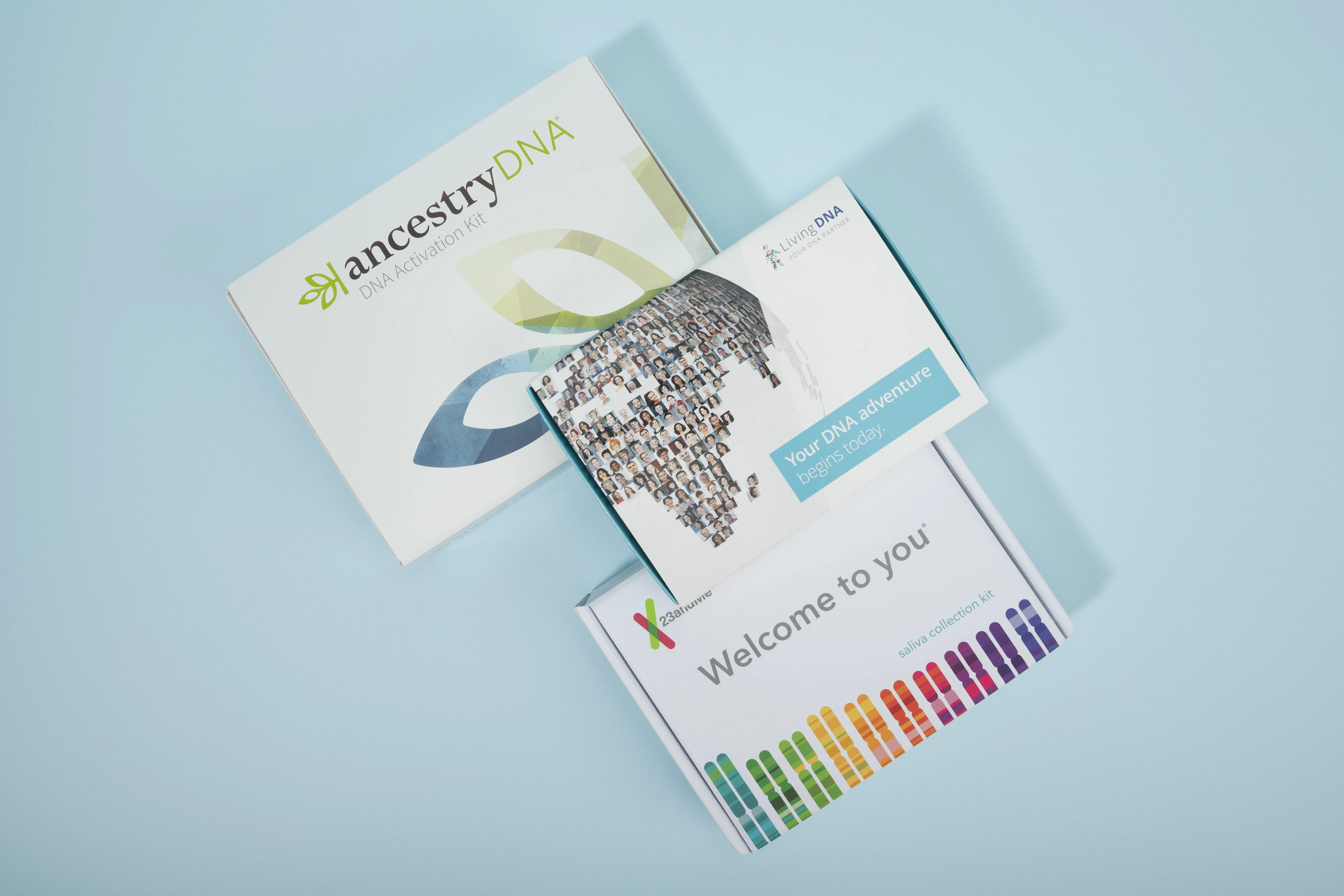







No single DNA test wins every accuracy category. AncestryDNA is the strongest first test for most people because its database of over 25 million users produces more useful relative matches than any competitor. If you also want FDA-authorized health reports, 23andMe is the better fit.
Below, we rank six kits by the type of accuracy that matters most for your goal — matching strength, health reporting, ethnicity detail, or raw genome depth.
Key Takeaways
Here is what you need to know before choosing a kit.
- AncestryDNA is the best first test for most people. Its matching network and access to over 40 billion historical records give you the strongest genealogy workflow.
- 23andMe is the better fit if you also want health reports. It offers 55+ FDA-authorized health and carrier status reports starting at $99.
- MyHeritage is stronger for international research. Its user base skews more European and cross-border than AncestryDNA’s.
- FamilyTreeDNA is the specialist pick for Y-DNA and mtDNA lineage testing.
- Sequencing.com is about raw genome depth, not relative matching.
- No home DNA kit is a diagnosis. Consumer health reports are screening tools. Follow up with a genetic counselor if a result affects a medical decision.
Everything We Recommend
This shortlist ranks each kit by the job it does best. Prices reflect standard non-sale pricing as of March 2026.
| Kit | Best For | Entry Price | Standout Feature |
|---|---|---|---|
| AncestryDNA | Most people overall | $99 | Largest matching network + records access |
| 23andMe | Health + ancestry | $99 | 55+ FDA-authorized health reports |
| MyHeritage DNA | International genealogy | Promo-driven (often under $60) | Cross-border records and matching |
| FamilyTreeDNA | Paternal/maternal lineage | $79+ (Family Finder) | Y-DNA and mtDNA testing |
| Living DNA | Regional ancestry detail | Under $100 | Sub-regional ethnicity breakdowns |
| Sequencing.com | Whole-genome data | Varies by bundle | Full genome sequencing + raw file access |
Our Top Picks
Most buyers do not need the most technical kit. They need the one that best matches what they want to do after results arrive.
AncestryDNA — Best Overall
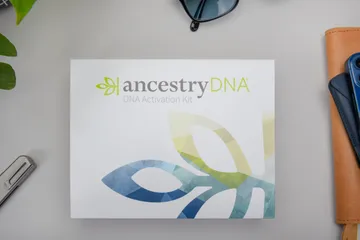
AncestryDNA’s database includes over 25 million genotyped users. That scale gives you the highest odds of finding useful relative matches. The kit pairs DNA results with tree-building tools and access to over 40 billion historical records, turning a match list into actionable genealogy.
All AncestryDNA samples are processed in CLIA-certified labs, meeting the federal standard for clinical laboratory accuracy. The genotyping chip reads approximately 700,000 SNPs. The entry kit starts at $99, and an Ancestry membership adds deeper record access but is not required for DNA matching.
For the full single-brand verdict, read our AncestryDNA review.
23andMe — Best for Health + Ancestry
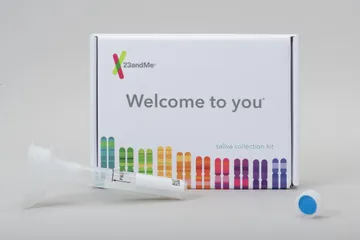
23andMe is the only major consumer kit with FDA-authorized health reports. Its 510(k)-cleared tests cover carrier status for conditions like cystic fibrosis and sickle cell anemia, health predispositions including BRCA1/BRCA2 variants, and pharmacogenetic markers. The total health report count exceeds 55.
The ancestry side covers ethnicity estimates across 2,000+ regions and includes relative matching. The genealogy workflow is lighter than AncestryDNA’s, but no other kit combines ancestry and health in one account at this depth. The ancestry-only kit starts at $99. The health-plus-ancestry kit starts at $229.
For the full breakdown, see our 23andMe review.
MyHeritage DNA — Best for International Research
MyHeritage DNA fits better when your family history crosses borders. Its user base is more internationally distributed than AncestryDNA’s, and its Smart Matches tool links DNA results to family trees built across multiple countries and languages. MyHeritage released its Ethnicity Estimate v2.5 in February 2025, updating its reference panel for finer regional breakdowns.
The kit price is promo-driven and often drops below $60 during sales. The DNA network is smaller than AncestryDNA’s, so you trade matching volume for stronger cross-border coverage. Our MyHeritage DNA review covers the full product.
FamilyTreeDNA — Best for Serious Genealogy
FamilyTreeDNA is the right kit when autosomal matching is not enough. It offers Y-DNA testing (paternal line) and mtDNA testing (maternal line) that mainstream kits do not provide. The Family Finder autosomal test starts at $79, and the Y-DNA tests range from $119 to $449 depending on marker count.
This is not the best first test for most buyers. Start here only if your goal is surname-project research, deep paternal lineage, or maternal haplogroup work. Our FamilyTreeDNA review explains the full lineup.
Living DNA — Best for Regional Detail
Living DNA breaks ethnicity estimates into unusually specific sub-regions — over 150 worldwide. That granularity appeals to buyers who want more detail than the broad continental categories most kits provide.
The tradeoff is a smaller matching database. If relative matching matters, AncestryDNA or 23andMe will serve you better. If regional ancestry depth is the goal, see our Living DNA review.
Sequencing.com — Best for Raw Genome Depth
Sequencing.com offers whole-genome sequencing rather than the SNP-chip genotyping used by most consumer kits. Where standard kits read 600,000 to 700,000 SNPs, whole-genome sequencing reads billions of base pairs across your entire genome.
The product is built for data access, not for relative matching or simple ancestry dashboards. If downstream analysis and raw data matter more than a mainstream experience, read our Sequencing.com review.
How to Choose the Right Test
Accuracy means different things depending on your goal. Here is how to match the right kit to yours.
If you want relatives and family history, database size matters most. AncestryDNA’s 25+ million users give you the broadest matching pool. Start there unless your research is international, in which case MyHeritage is worth comparing.
If you want health reports, look for FDA authorization. 23andMe is the only major consumer brand with FDA-authorized health predisposition and carrier status reports. Its BRCA1/BRCA2 screening covers three variants most common in Ashkenazi Jewish populations — not a full gene scan. If a result affects a medical decision, follow up with a genetic counselor.
If you want ethnicity detail, understand that all estimates are probability models built from reference panels. They shift as companies update their data. MyHeritage released its Ethnicity Estimate v2.5 in February 2025, and both AncestryDNA and 23andMe update their models regularly.
If you want lineage-specific testing, FamilyTreeDNA is the only major option with Y-DNA and mtDNA products. Mainstream kits test autosomal DNA only.
If you want raw genome data, Sequencing.com provides whole-genome files. Most consumer kits genotype roughly 600,000 to 700,000 SNPs. Whole-genome sequencing reads billions of base pairs, giving you a dataset usable with third-party analysis tools.
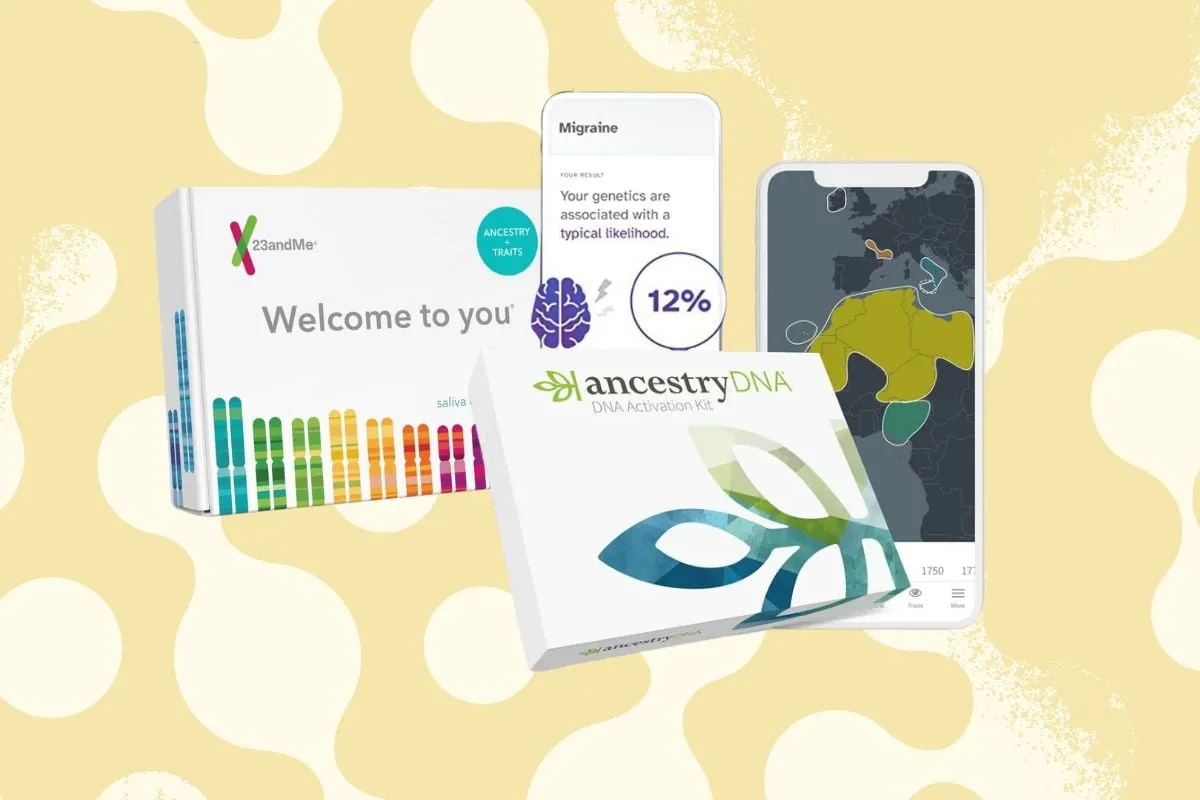
If your decision comes down to AncestryDNA versus 23andMe specifically, use our dedicated 23andMe vs. Ancestry comparison.
The Bottom Line
AncestryDNA is the best first DNA test for most people. Its matching network, tree-building tools, and historical records create the most useful post-results workflow for genealogy buyers.
If health reporting matters as much as ancestry, 23andMe is the stronger choice. For international research, start with MyHeritage. For paternal or maternal lineage work, go with FamilyTreeDNA.
The review pages linked above go deeper on each brand. Start with the kit that matches your goal, and use the comparison and review pages to confirm the fit.