


Ever wonder how you inherit traits from your ancestors? Inside your cells, there’s a special type of DNA called mitochondrial DNA (mtDNA) that plays a unique role in inheritance.
Let’s explore how mtDNA works and how it differs from nuclear DNA. We’ll also discuss what mitochondrial DNA testing is.
What is Mitochondrial DNA?
mtDNA is passed down exclusively from your mother. Both boys and girls inherit their mother’s mtDNA, but only girls can pass it on to their own children.
This unique inheritance pattern makes mtDNA a powerful tool for tracing your maternal ancestry, going back thousands of years. Scientists also use mtDNA to study ancient human migrations and trace family lineages.
Sometimes, a cell can have a mix of healthy and mutated mtDNA. This is called heteroplasmy. The proportion of healthy and mutated mtDNA can affect whether or not a person develops a mitochondrial disease.
Differences of mtDNA vs. Nuclear DNA
You might have heard of nuclear DNA (nDNA). That’s the DNA that’s stored in the nucleus of your cells, and it comes from both your parents.
Here’s how mtDNA is different:
| Mitochondrial DNA (mtDNA) | Nuclear DNA (nDNA) | |
|---|---|---|
| Location | Mitochondria (powerhouse of the cell) | Nucleus (control center of the cell) |
| Inheritance | From mother only | From both parents |
| Structure | Circular | Linear |
| Recombination | No mixing | Mixing of genes from parents |
| Mutation Rate | Higher | Lower |
What is a mtDNA Test?
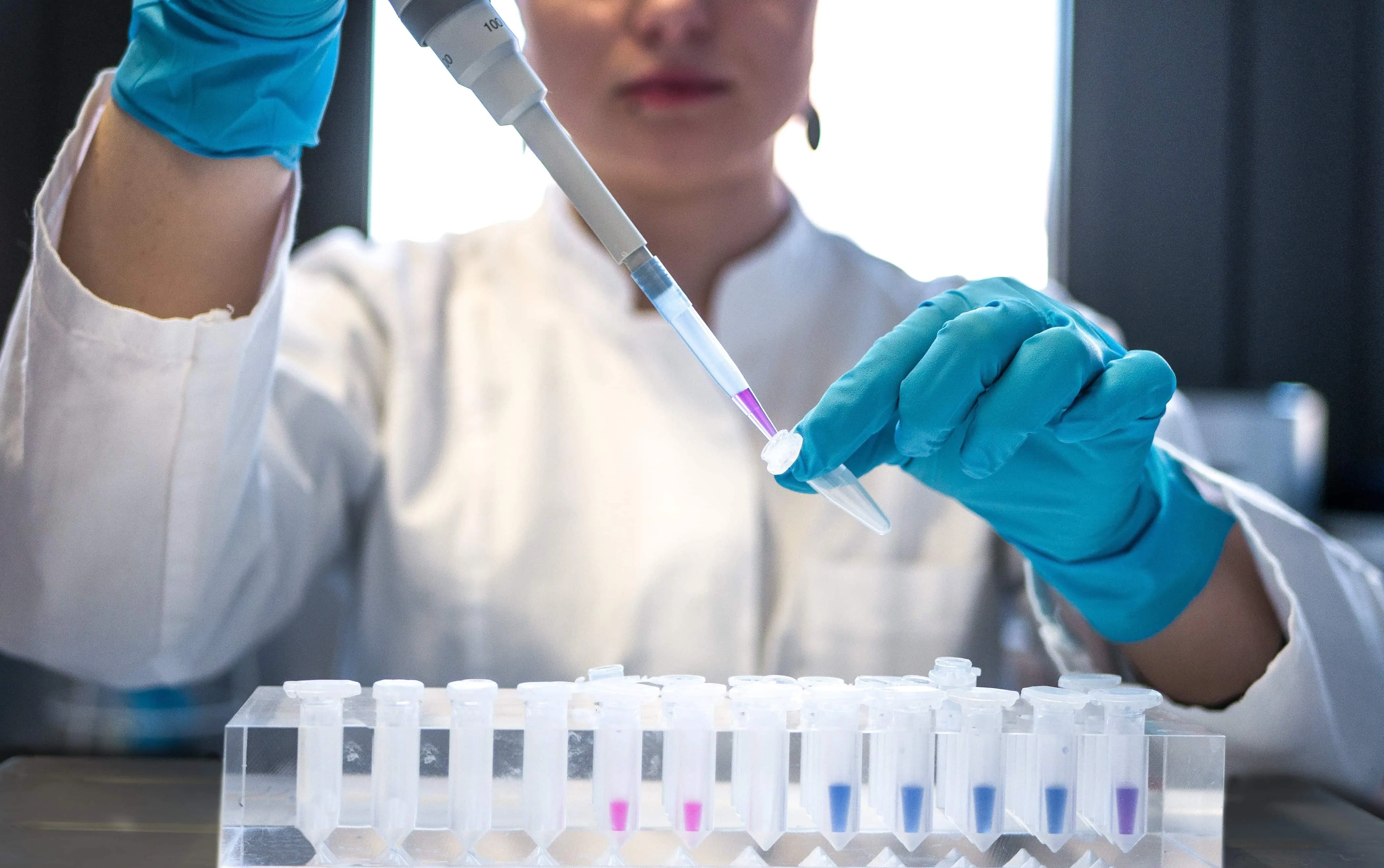
A mitochondrial DNA test (also known as a mtDNA test) shows your maternal lineage and the DNA you’ve inherited from your mother.
Because mitochondria are usually only passed down by the mother, more often than not, there is no paternal DNA in mtDNA. While both sperm and egg cells have mitochondria in them, the mitochondria in the sperm cells are destroyed when the egg is fertilized.
This type of DNA mutates at a slower pace than Y-DNA (DNA from a father) which means it’s easier to find ancestors further back in your bloodline than it would be with another sample.
Is mtDNA Testing Accurate?
mtDNA is pretty accurate, but, like all DNA testing, problems and errors can occur. Still, despite the potential for error, mtDNA has proven to be pretty precise.
Keep in mind that if you are conducting genealogical research, mtDNA results alone likely won’t be enough to give you a full picture of your ancestry.
However, paired with traditional genealogical evidence and the help of a genetics expert’s opinion, it can help you round out your family tree.
How Does mtDNA Testing Work?
Depending on where you get it done, the DNA sample the company or at-home test requires may differ. Some may require cheek swabs, and others may require blood samples.
After the DNA sample is collected, it will be examined. They’ll take a look at certain base pairs in your DNA, either at the beginning or the end of the strand (sometimes both). Other times, if they want further confirmation, they will also look at the coding region.
Once they get all that information, they can look for ancestors within a recent genealogical timespan. They can also look for common maternal ancestors.
Why Does mtDNA Have a Higher Mutation Rate?
mtDNA is located near the cell’s energy-producing machinery, where harmful molecules called reactive oxygen species are produced. These molecules can damage mtDNA and cause mutations.
How Does Age Affect mtDNA Mutations?
As we get older, our mitochondria don’t work as well as they used to. This decline in mitochondrial function is linked to changes in mtDNA, which can lead to less energy production and more harmful molecules called reactive oxygen species (ROS).
mtDNA mutations can contribute to age-related diseases like Alzheimer’s, heart disease, and even cancer. The number of mtDNA copies in your cells can also decline with age, affecting your overall health.
Are mtDNA Mutations Linked to Diseases?
Changes in mtDNA have been linked to various diseases. For example, problems with mtDNA can disrupt energy production in cells, which can contribute to conditions like Parkinson’s disease and diabetes.
However, scientists are exploring new ways to protect mtDNA and prevent these diseases. One promising area is epigenetics, which looks at how our genes are turned on or off. By understanding these mechanisms, we might be able to slow down the progression of age-related diseases.
How to Keep Your Mitochondria Healthy
Just like you take care of your body, you can also take care of your mitochondria. Here are some of our tips:
- Eat a healthy diet — Provide your cells with the nutrients they need to function properly.
- Exercise regularly — Boost your mitochondrial number and efficiency.
- Manage stress — Reduce the damage caused by stress on your cells.
Mitochondrial DNA research is shedding light on how we age and develop diseases. But it also empowers us to take control of our health through lifestyle choices.