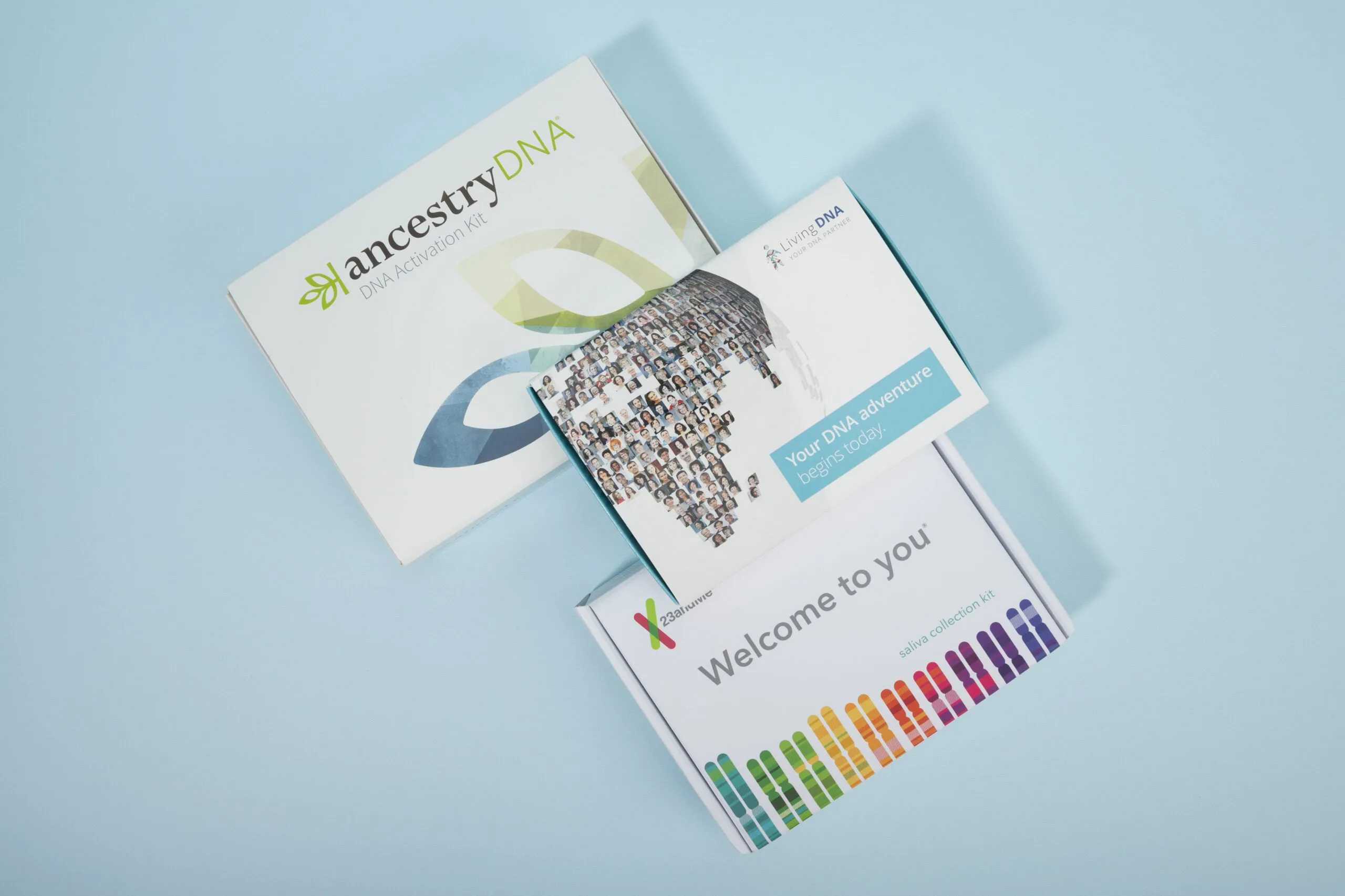


DNA testing can reveal your ancestry, flag inherited health risks, and help you make smarter decisions about your wellbeing. But it also comes with real tradeoffs — including privacy concerns, emotional weight, and results that are not always clear-cut.
We break down the biggest benefits and drawbacks below so you can decide whether a DNA test is right for you.

Key Takeaways
- Health insights: DNA tests can highlight inherited disease risks and help you take preventive action — but they are not diagnoses.
- Ancestry and relatives: You can explore your ethnic origins and connect with genetic matches, though not everyone in a database wants to be contacted.
- Privacy matters: Your genetic data is sensitive. Always review a company’s privacy policy before you test.
- Emotional impact: Results can feel reassuring or anxiety-inducing. Consider whether you are ready for unexpected findings.
- Accuracy varies: Results are most reliable when the testing company has a strong reference database for your ethnic background.
What Are the Benefits of DNA Testing?
Clinical genetic tests ordered by a doctor differ from at-home direct-to-consumer (DTC) kits. DTC tests typically cover ancestry and traits, while some also report on inherited health conditions. Here is what you stand to gain from either type.
Making Informed Health Decisions
At-home tests can flag your genetic risk for certain inherited conditions. Clinical tests go further and may help diagnose illness. Either way, knowing your risks lets you take a more proactive approach to your health.
Some of the most common conditions DNA tests can assess include:
- Hereditary cancers: Pancreatic, colorectal, ovarian, and breast cancers linked to BRCA and other gene variants.
- Single-gene disorders: Conditions like Fragile X syndrome or familial hypercholesterolemia.
- Diabetes predisposition: Monogenic diabetes or type 2 risk variants.
- Celiac disease: HLA-DQ2/DQ8-related predisposition.
- Alzheimer’s risk: APOE-linked variants associated with late-onset Alzheimer’s disease.
If you are unsure what to do with your results, talk to your healthcare provider or a genetic counselor. They can help you understand your risk level and plan next steps.
Medication and Dosage
Your genes affect how your body processes medications. Pharmacogenetic testing helps healthcare professionals choose the right drug and dose for you.
For example, it can identify the safest warfarin dose to prevent blood clots, or pinpoint which antidepressants are most likely to work for your genetic profile.
Family Planning
DNA tests can reveal genetic mutations you might pass on to your children. If you are considering a sperm donor, egg donor, or surrogate, testing can help you evaluate candidates.
Keep in mind that carrying a risk variant does not guarantee your child will develop a condition. A genetic counselor can help you understand the odds and plan accordingly.
Traits and Ancestry
DNA testing can uncover traits you did not know you had and trace where they came from. By comparing your DNA against global reference populations, you can explore your ethnic origins and see which regions your ancestors called home.
If you are interested in building out your family tree, your results will show the regions and groups you share the most DNA with.
Connecting With Relatives
Some DNA testing companies maintain databases that let you connect with genetic matches. You may find distant cousins or even close relatives you did not know about.
Not every user opts into matching, so results are not guaranteed. But if you do find an overlap, it can be a meaningful addition to your family story.
Where Does DNA Testing Fall Short?
DNA testing has real limitations. Here are the drawbacks you should weigh before ordering a kit.
Unclear Results
One of the biggest frustrations is receiving a """variant of unknown significance""" (VUS). These genetic variants look unusual but lack enough research to confirm whether they are harmful. A VUS can leave you with more questions than answers.
On the flip side, a negative result does not mean you are in the clear. The test may not have screened for every relevant gene. And false positives can trigger unnecessary worry or follow-up procedures.
Emotional and Psychological Impact
Learning that you carry a higher risk for a serious condition can be stressful. Some people feel anxious, overwhelmed, or even guilty — especially if family members face higher risks than they do.
If you are considering a health-focused DNA test, think about whether you are emotionally prepared for the results. Talking to a genetic counselor before and after testing can help you process what you learn.
Privacy Risks
When you take a DNA test, the company stores your sample and data. That creates a few risks worth considering:
- Data breaches: Your genetic information could be exposed in a hack.
- Third-party sharing: Some companies share anonymized data with research partners or other third parties.
- Policy changes: A company’s privacy terms can shift over time.
Most reputable companies let you delete your data and destroy your sample on request. Always read the privacy policy before you buy, and make sure the company will not share your information with health insurers without your consent.
Not Everyone Wants to Be Found
DNA matching can connect you with relatives, but participation is optional. Some people prefer not to be contacted, which limits your results.
If you do find a match, respect their boundaries. Not everyone is comfortable with being discovered through a DNA database.
Accuracy Depends on the Database
Your results are only as good as the company’s reference data. If you have European ancestry, most major tests will be fairly accurate. But if your background is Asian, African, or Indigenous, fewer reference samples may mean less precise results.
Check whether the company you are considering has strong coverage for your ethnic background before you buy.
How to Decide if a DNA Test Is Right for You
A DNA test is a personal decision. Before you order one, ask yourself:
- What do you want to learn? Ancestry, health risks, or both?
- Are you emotionally ready? Unexpected results can be difficult to process.
- Is your family on board? Your DNA reveals information about your relatives too.
- Can you afford follow-up care? If a test flags a health risk, you may want additional clinical testing or genetic counseling.
How Much Do DNA Tests Cost?
Basic ancestry kits start under $100. Combined health and ancestry bundles typically range from $150 to $300. Clinical-grade genetic tests ordered through a healthcare provider can run $2,000 or more, though insurance may cover some of the cost.
The right price depends on what you want to learn and how detailed you need the results to be.
What to Do After You Get Your Results
Your DNA report is a starting point, not a final answer. We recommend sharing your results with a healthcare provider or genetic counselor who can put them in context.
Most DTC companies design their reports to be easy to read, but it is still possible to misinterpret risk scores or jump to conclusions. A professional can help you understand what your results actually mean for your health.