


No consumer DNA test is fully private. Your genetic data is uniquely sensitive — it reveals information about you and your biological relatives, and it does not change over time. The real question is which companies give you the strongest controls over consent, deletion, and data security.
Below, we compare three services with the clearest privacy tooling and explain how to evaluate any DNA company before you hand over a saliva sample.
Key Takeaways
Here is what matters most when choosing a DNA test for privacy.
- No mainstream DNA company is zero-risk. Genetic data is permanent and identifies you and your relatives.
- 23andMe offers the strongest mainstream privacy controls. Features include 2-step verification, granular research consent toggles, account deletion with data removal, and physical sample destruction on request.
- AncestryDNA provides documented deletion workflows with step-by-step instructions for removing DNA results and requesting sample destruction through its support portal.
- Sequencing.com avoids large matching networks by design. Its privacy policy prohibits selling personal data to third parties, and the whole-genome product reduces the social-layer exposure common on ancestry platforms.
- The 2025 23andMe ownership change is relevant. Review the current privacy statement before purchasing — terms shift under new ownership.
- Plan your exit before you buy. Verify deletion timelines, sample destruction, and data-download options in advance.
Everything We Recommend
These three services stood out after comparing consent controls, deletion tools, and account security across major DNA brands.
| Test | Privacy Strength | Main Control Features | Key Caution |
|---|---|---|---|
| 23andMe | Strongest mainstream privacy controls | 2-step verification, research consent toggles, account closure, sample discard | 2025 ownership change — review current terms |
| AncestryDNA | Clear deletion tools for ancestry-first buyers | Documented result deletion, sample destruction request, regularly updated privacy statement | Largest matching network increases exposure |
| Sequencing.com | Best for privacy-conscious whole-genome users | No large social matching layer, privacy policy prohibits third-party data sales | More technical product, not designed for mainstream genealogy |
Our Top Picks
Privacy is not one feature. It is a stack of controls covering account security, consent, deletion, sample retention, and data sharing. Here is how each pick handles that stack.
23andMe — Strongest Mainstream Privacy Controls
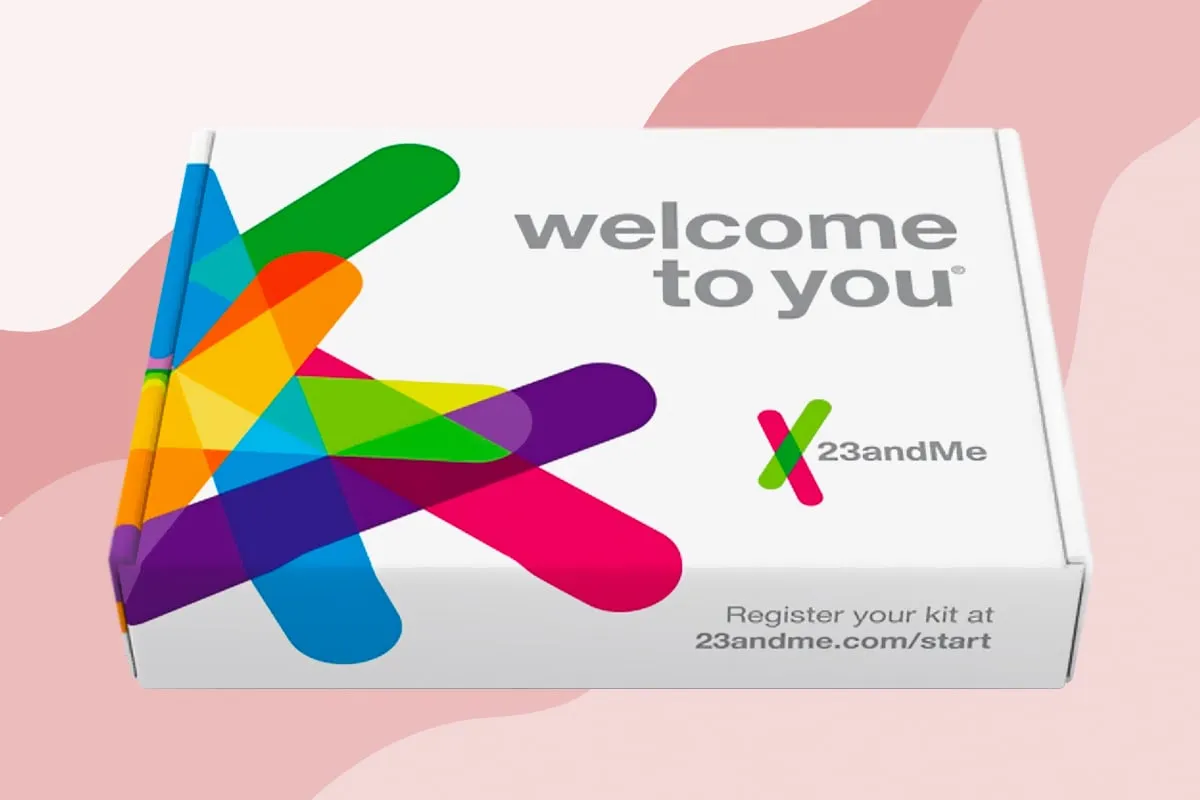
23andMe provides 2-step verification using an authenticator app or SMS, making it the only major consumer DNA brand offering multi-factor login security. Research consent is granular — you toggle participation in each study individually rather than accepting a blanket opt-in.
Account closure triggers deletion of personal data from 23andMe systems. You also have the right to request physical destruction of your stored saliva sample. Both processes are documented on the 23andMe customer care site with step-by-step instructions.
The 2025 ownership transition introduced new leadership. The privacy statement has been updated since, but terms under new ownership deserve closer reading before purchasing. Check the current 23andMe privacy statement directly.
The health-plus-ancestry kit starts at $229. The ancestry-only kit starts at $99.
AncestryDNA — Best Deletion Tools for Ancestry Buyers
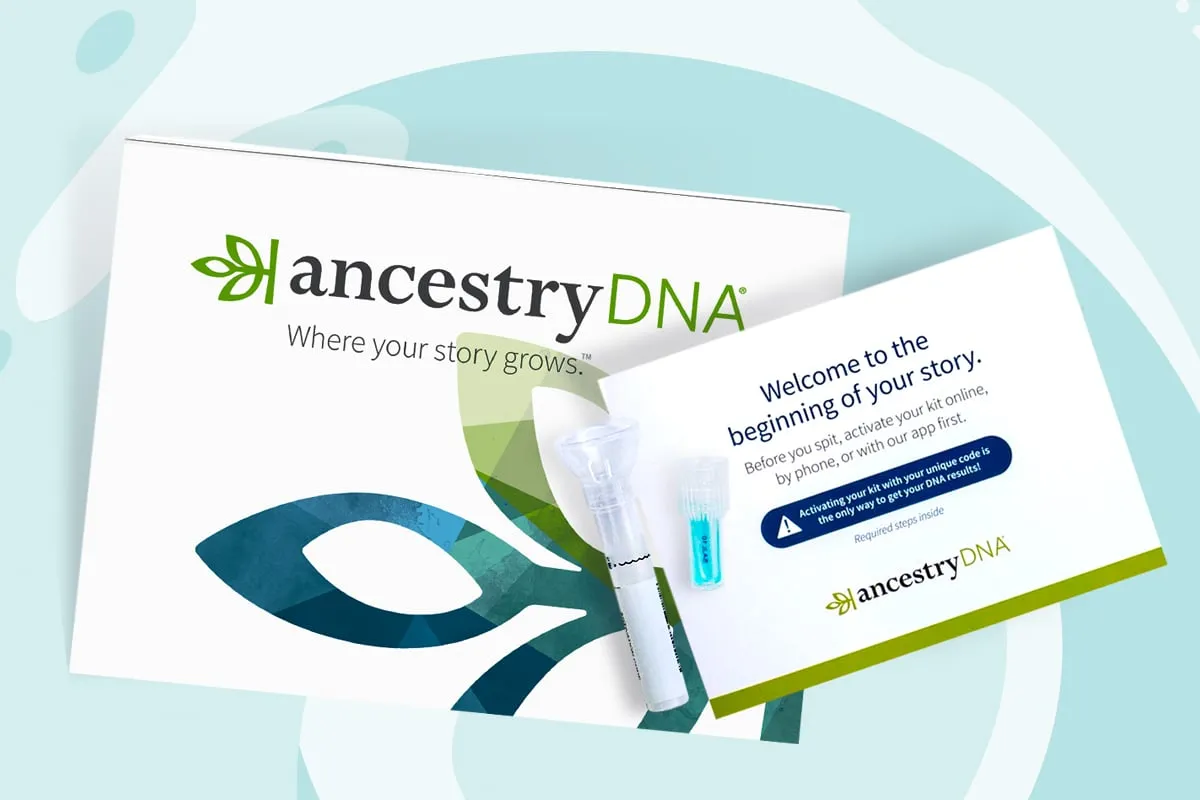
AncestryDNA’s support portal publishes a step-by-step process for deleting DNA results and requesting physical sample destruction. The privacy statement, updated regularly, specifies data retention periods, law enforcement request policies, and third-party sharing terms. Ancestry states it requires valid legal process — such as a subpoena or court order — before disclosing user data to law enforcement.
The structural tradeoff is network size. AncestryDNA’s database of over 25 million users is its biggest product advantage for genealogy, but a larger matching pool means broader genetic exposure. Every person you match with has a mutual connection to your DNA profile.
AncestryDNA starts at $99. If your main goal is family history and you want documented, accessible privacy controls, this kit fits better than smaller brands with vague or buried policies.
Sequencing.com — Best for Privacy-Conscious Whole-Genome Users
Sequencing.com’s privacy policy states the company does not sell personal data to third parties. The product is built around whole-genome sequencing and raw data access — not around a large social matching network. That architecture reduces the kind of genetic exposure inherent in ancestry-first platforms with millions of interconnected profiles.
Sequencing.com uses CLIA-certified and CAP-accredited labs for its sequencing services, meeting both federal and voluntary laboratory quality standards. Your genome file is stored with encryption at rest and transmitted over encrypted connections.
The tradeoff is usability. You get a complete genome file and access to third-party analysis apps, but the experience is more technical than a mainstream ancestry dashboard. If your priority is genome-depth data with minimal network exposure, see our Sequencing.com review for the full product breakdown.
How We Judge DNA Privacy
Privacy rankings require more than reading marketing pages. Here is what we evaluate for every service.
Account security: Does the company offer multi-factor authentication or just password-based login? 23andMe supports 2-step verification through an authenticator app. AncestryDNA uses email-based account recovery. Smaller brands vary, and many lack any form of multi-factor authentication.
Deletion and sample destruction: Does the company document a clear, accessible process for removing your data and destroying your physical sample? Both 23andMe and AncestryDNA publish support articles with step-by-step instructions. If a company buries deletion behind email-only requests with no documented timeline, treat that as a red flag.
Research consent: Does the company let you opt in or out of research individually? 23andMe provides per-study toggles. AncestryDNA offers a broader research opt-out. The difference matters if you want control over which specific studies use your data.
Third-party sharing and law enforcement: Both 23andMe and Ancestry state they require valid legal process before disclosing data to law enforcement. Review these sections in the privacy policy directly — they update periodically and the specifics matter.
Data encryption: Sequencing.com encrypts genome data at rest and in transit. 23andMe and AncestryDNA both use industry-standard encryption for data transmission. Confirm the details on each company’s current security page, as standards evolve.
Network exposure: Larger matching databases produce better genealogy results but connect your genetic profile to more people. This is a structural tradeoff, not a security flaw — but it is worth understanding before you test.
If you have already tested and want to reduce your footprint, our guide on how to delete your DNA data covers every major brand.
The Bottom Line
No DNA test is fully private, but some companies give you meaningfully better control. 23andMe offers the strongest set of mainstream privacy tools — 2-step verification, per-study research consent, and documented account deletion. AncestryDNA provides clear deletion workflows for ancestry-focused buyers. Sequencing.com reduces matching-network exposure by design and encrypts genome data at rest.
Read the privacy policy and support pages before you buy, not after. If you want help choosing a kit based on accuracy or overall fit instead, start with our flagship DNA test roundup.