
Most people with non-African ancestry carry between 1% and 4% Neanderthal DNA. The exact amount depends on your ancestral population, and some groups consistently carry more than others.
We break down what the research shows about Neanderthal DNA distribution, what 23andMe reports can tell you, and what these ancient genes actually do.
Who Carries the Most Neanderthal DNA
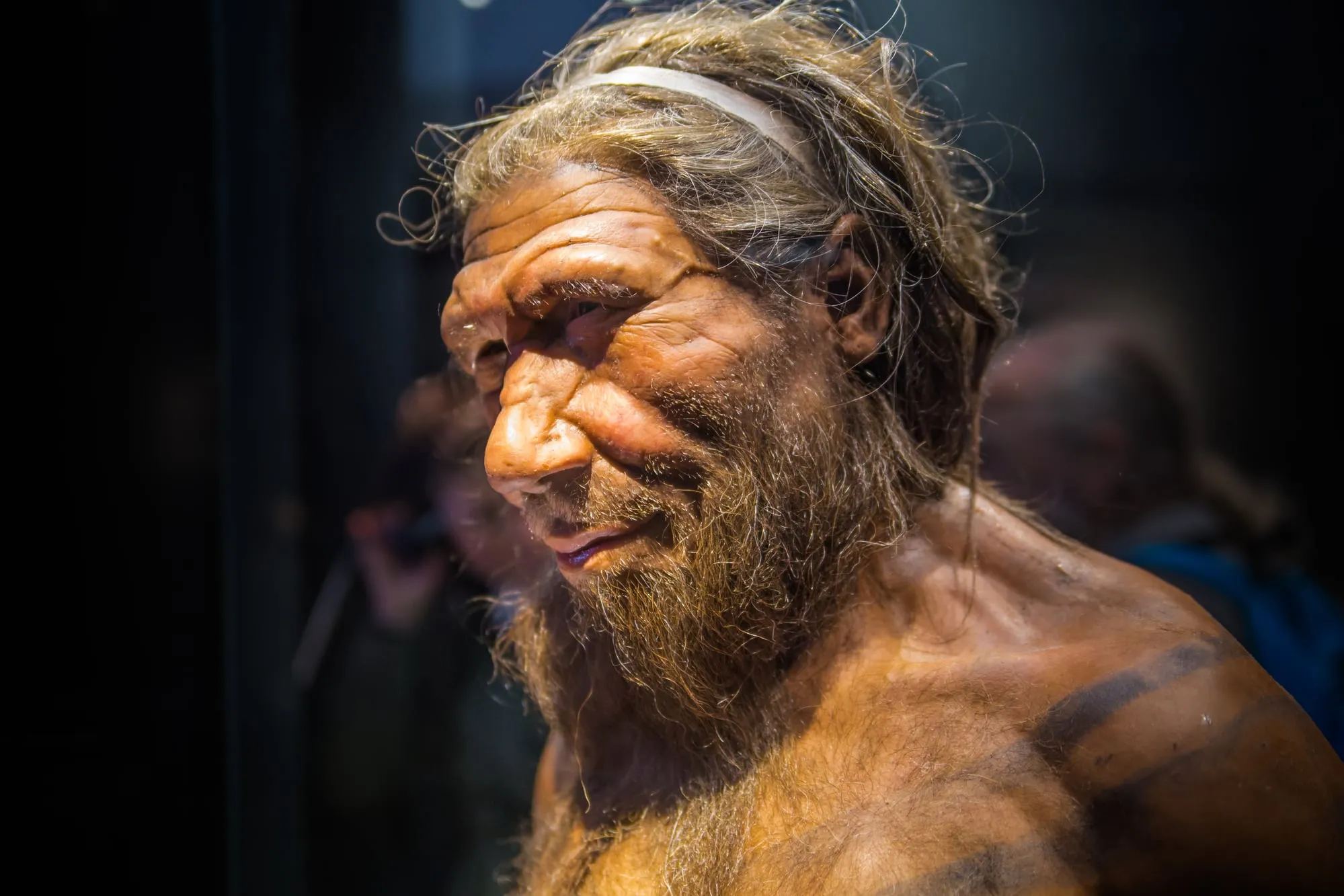
Neanderthals lived in Europe and western Asia for hundreds of thousands of years. When modern humans migrated out of Africa roughly 60,000 to 70,000 years ago, the two groups interbred. That means Neanderthal DNA is present in most non-African populations today.
Here is how the distribution breaks down by region.
| Population | Typical Neanderthal DNA |
|---|---|
| East Asian (Chinese, Japanese, Vietnamese) | 2.3% — 2.6% |
| European | 1.8% — 2.4% |
| South Asian | 1.5% — 2.2% |
| Native American | 1.4% — 1.7% |
| Sub-Saharan African | Near 0% (trace amounts from back-migration) |
East Asian populations tend to carry slightly more Neanderthal DNA than Europeans. Researchers believe this reflects additional interbreeding events or different patterns of natural selection after the initial mixing.
Sub-Saharan African populations carry little to no Neanderthal DNA because the interbreeding happened after modern humans left Africa. However, recent studies have found trace Neanderthal sequences in some African populations, likely introduced through back-migration of Eurasian groups.
What 23andMe Reports Tell You
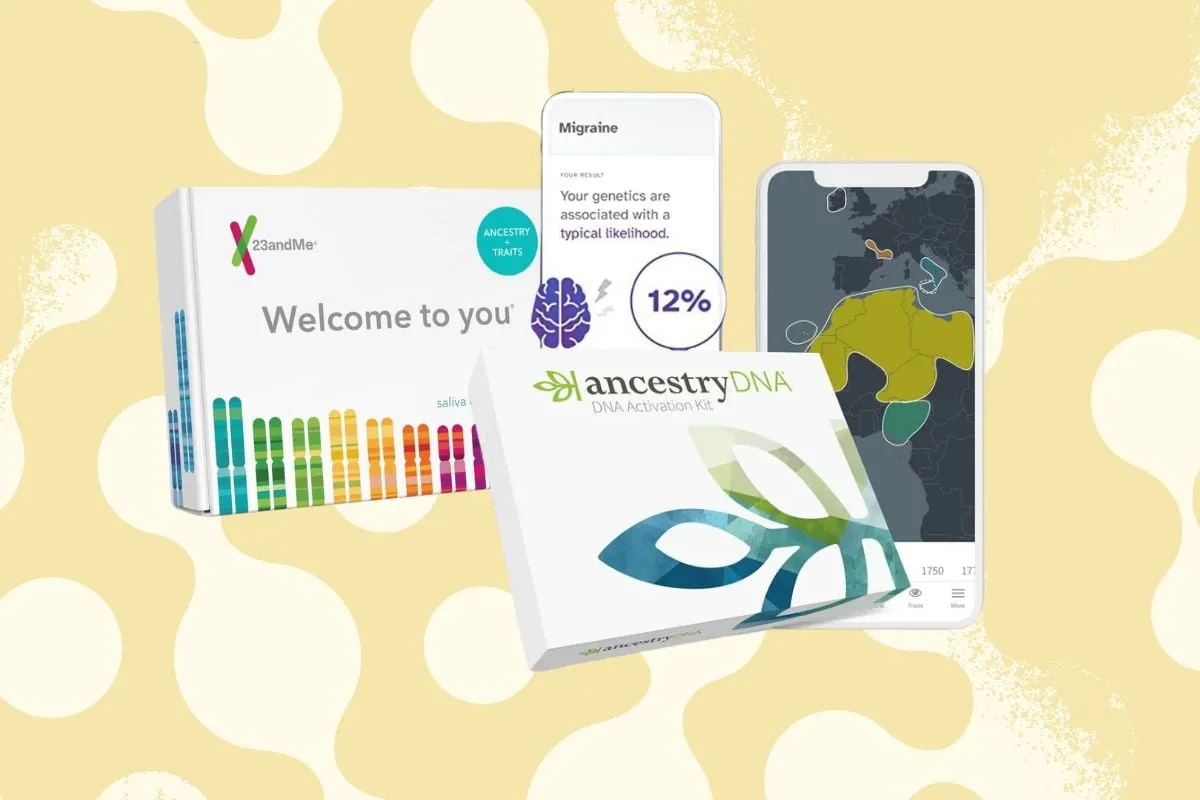
23andMe includes a Neanderthal ancestry report with every kit. Here is what it covers.
- Neanderthal percentage: The share of your genome that traces back to Neanderthal ancestors. The average 23andMe user falls around 2%.
- Variant count: The number of specific Neanderthal gene variants you carry. Some users report over 300 variants.
- Percentile ranking: How your Neanderthal DNA compares to other 23andMe customers. This ranking shifts as the database grows.
Keep in mind that 23andMe’s percentile is relative to its own user base, not to the global population. If the platform has more European users than East Asian users, the percentile may not reflect the true global distribution.
What Neanderthal Genes Actually Do
Carrying Neanderthal DNA is not just a curiosity. Research has linked specific Neanderthal gene variants to traits that still affect people today.
- Immune response: Some Neanderthal variants influence how your body fights infections. Certain toll-like receptor genes inherited from Neanderthals may have helped early Eurasians survive new pathogens.
- Skin and hair: Variants affecting skin pigmentation and hair texture have been traced to Neanderthal origins, likely helping early modern humans adapt to lower-UV environments in Europe.
- Pain sensitivity: A 2020 study found that a Neanderthal variant in the SCN9A gene may make carriers more sensitive to pain.
- Sleep patterns: Some Neanderthal variants have been associated with chronotype, potentially influencing whether you lean toward being a morning or evening person.
We want to be clear: these are statistical associations, not diagnoses. Carrying a Neanderthal variant does not mean you will experience a specific trait. Your overall genome, environment, and lifestyle matter far more.
The Limits of Current Testing
No consumer DNA test can tell you exactly how much Neanderthal DNA you carry down to the decimal point. The estimates depend on the reference populations the company uses and the specific Neanderthal genome sequences they compare against.
Different services may give you slightly different numbers for the same genome. That does not mean one is wrong. It means the methods and reference panels differ.
Research in this area is still evolving. As more ancient genomes are sequenced and reference databases grow, the estimates will become more precise.
The Bottom Line
East Asian and European populations carry the highest levels of Neanderthal DNA, typically between 1.8% and 2.6%. If you want to see where you fall, 23andMe and other ancestry services can give you a useful estimate.
Just remember that these are modeled approximations, not fixed measurements. The science is still refining what these ancient genes mean for your health and traits today.