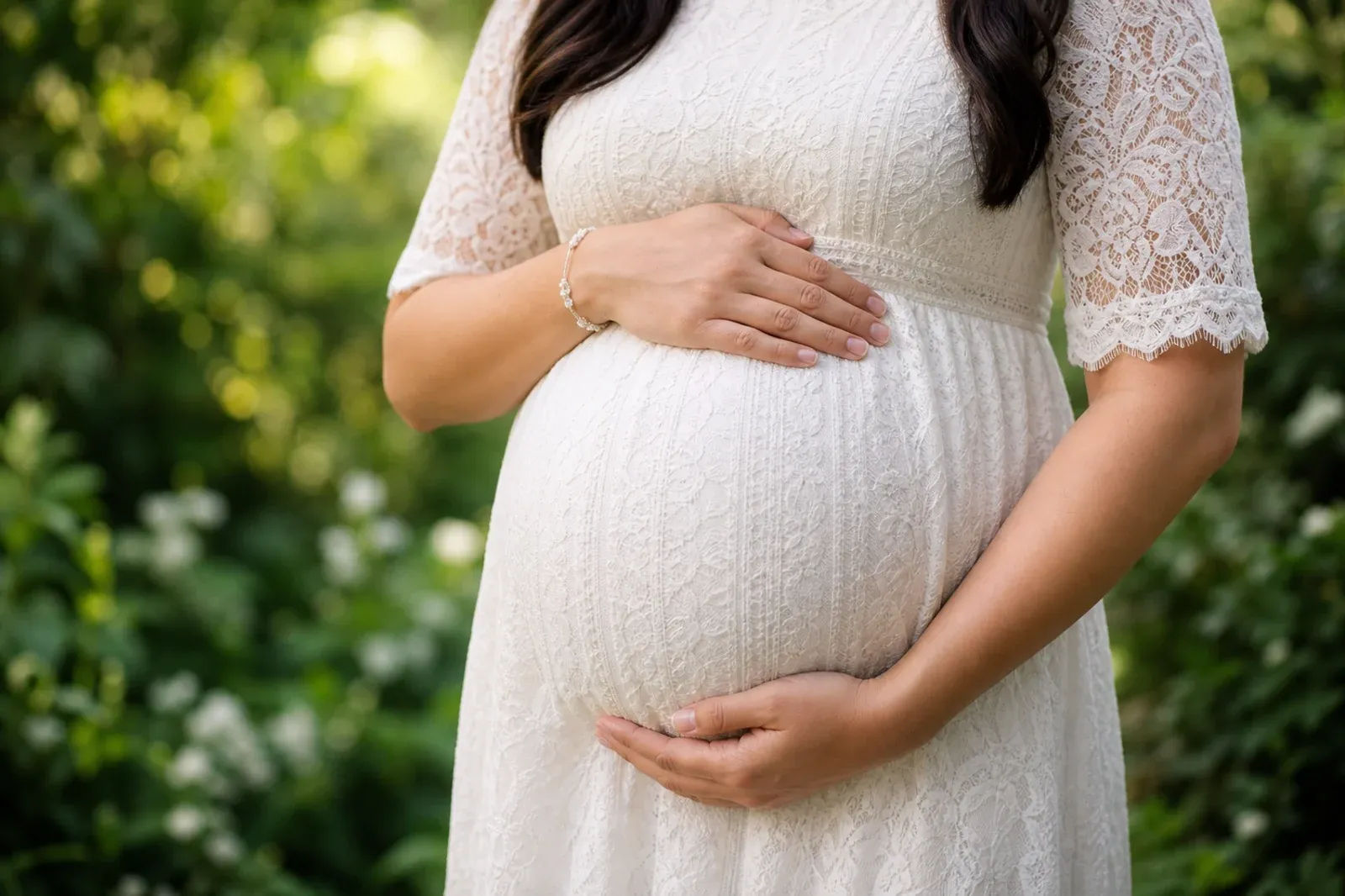
Inherited Diseases and What Genetic Testing Can Uncover
Genetics plays a significant role in our lives. The genes we inherit can reveal important clues about inherited disease risk.
dna testing
Page 7 of DNA Testing. Find the best DNA testing kits for ancestry, health, and genetic insights. In-depth reviews, comparisons, and guides.

Genetics plays a significant role in our lives. The genes we inherit can reveal important clues about inherited disease risk.

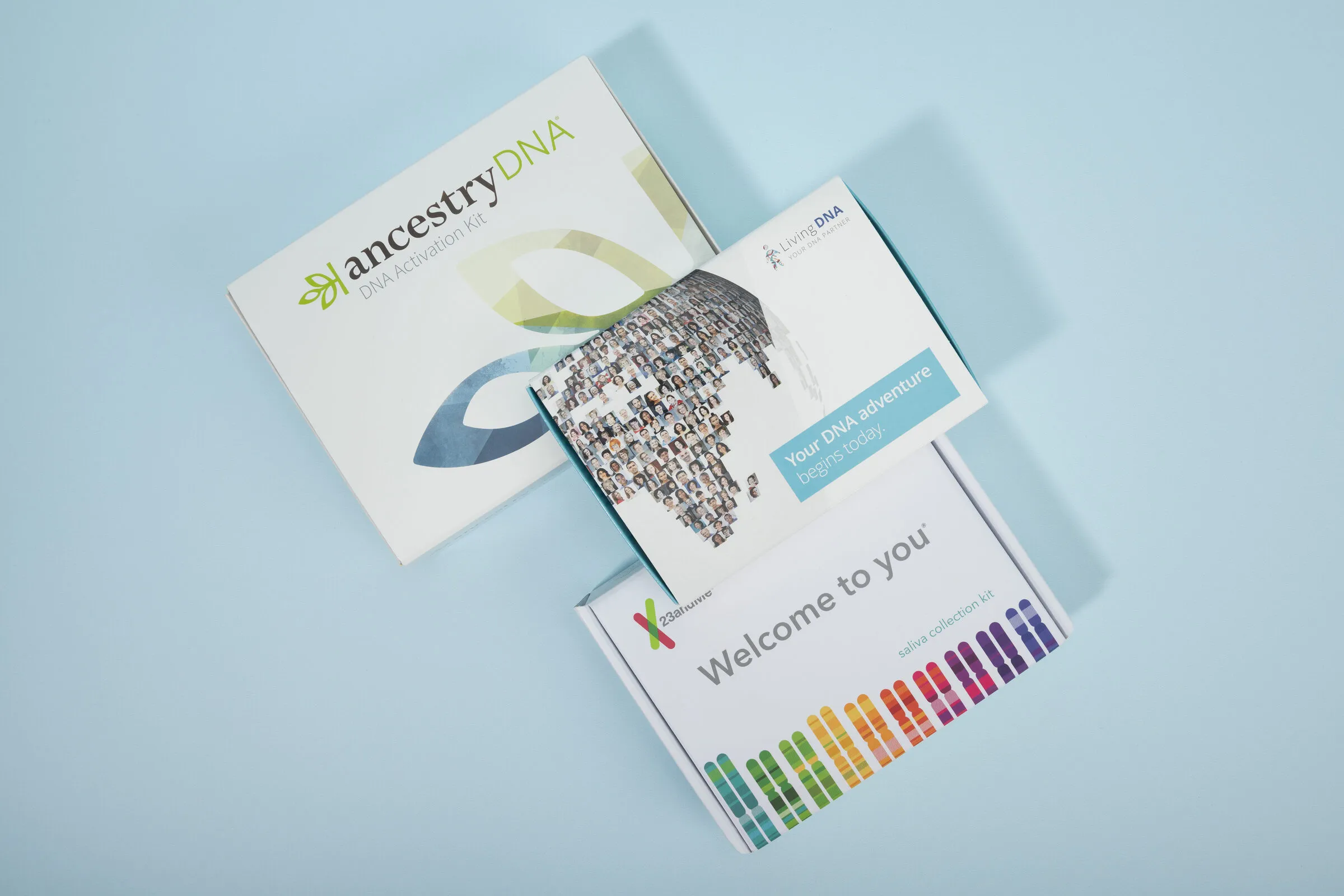
AncestryDNA starts at $99 and ties your DNA to a 30M+ tester network and a 70B+ historical-records library. It is the strongest first buy for relatives and family trees, and the wrong pick if you want health-related genetic reports.

Step-by-step instructions for deleting your DNA data from major testing companies, including what to do before you request deletion and how long each service takes.

DNA testing companies may retain your DNA information in their database. Here's how to download your raw DNA data for safekeeping.

DNA testing can reveal ancestry, flag inherited health risks, and help you plan ahead. But it also comes with real tradeoffs, including privacy concerns, emotional weight, and results that are not always clear-cut.

Mongolian spots are harmless bluish-gray birthmarks common in babies of Asian, African, Indigenous, and Hispanic descent. We cover what causes them, how common they are, and cultural beliefs.

Basepaws now offers a dog DNA test at $149 (often on sale under $90) covering 330+ breeds and 280+ health markers using next-generation sequencing. Here is what you get, how it compares to Embark and Wisdom Panel, and who should buy it.

The DTC genetic-testing market is still growing, but it is changing shape. We track the latest market-size estimates, regional concentration, growth drivers, and the factors that could restrain the category.

About 50% of people are seriously concerned about what happens to their genetic data. We break down who's worried, what they're worried about, and how privacy fears are shaping the DNA testing market.

Most people with non-African ancestry carry 1% to 4% Neanderthal DNA. We break down which populations carry the most and what 23andMe reports actually tell you.