
What Does the GenePlaza DNA Test Tell You?
Aside from our personal experience, we also scanned hundreds of GenePlaza reviews. Here are some of the most common comments we read:
dna testing
Page 5 of DNA Testing. Find the best DNA testing kits for ancestry, health, and genetic insights. In-depth reviews, comparisons, and guides.

Aside from our personal experience, we also scanned hundreds of GenePlaza reviews. Here are some of the most common comments we read:
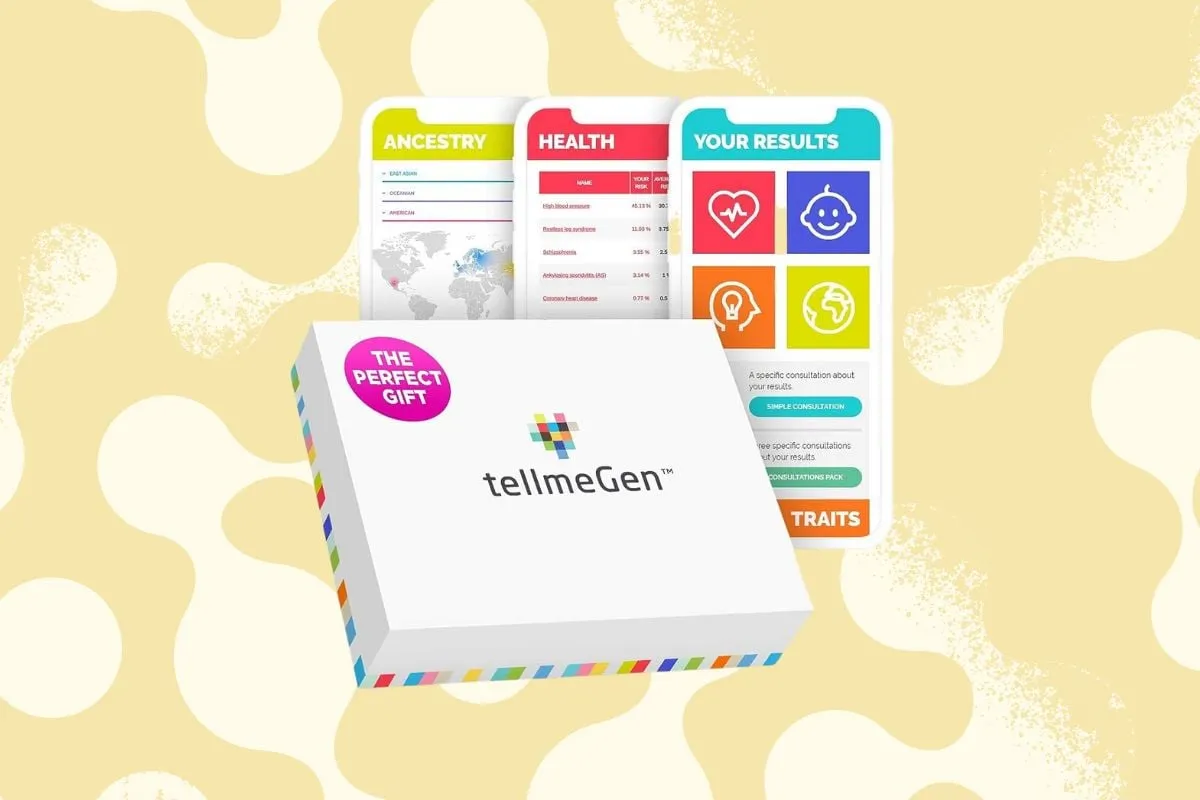
TellMeGen covers 400+ traits including pharmacogenetics, carrier screening, and ancestry from 50+ reference populations starting around EUR99. It fits best if you want broad health-plus-ancestry coverage and do not need the polish of 23andMe.

While you can get free DNA tests, there are some limitations that you need to know; they're also not the best in most cases. Learn more about it here.

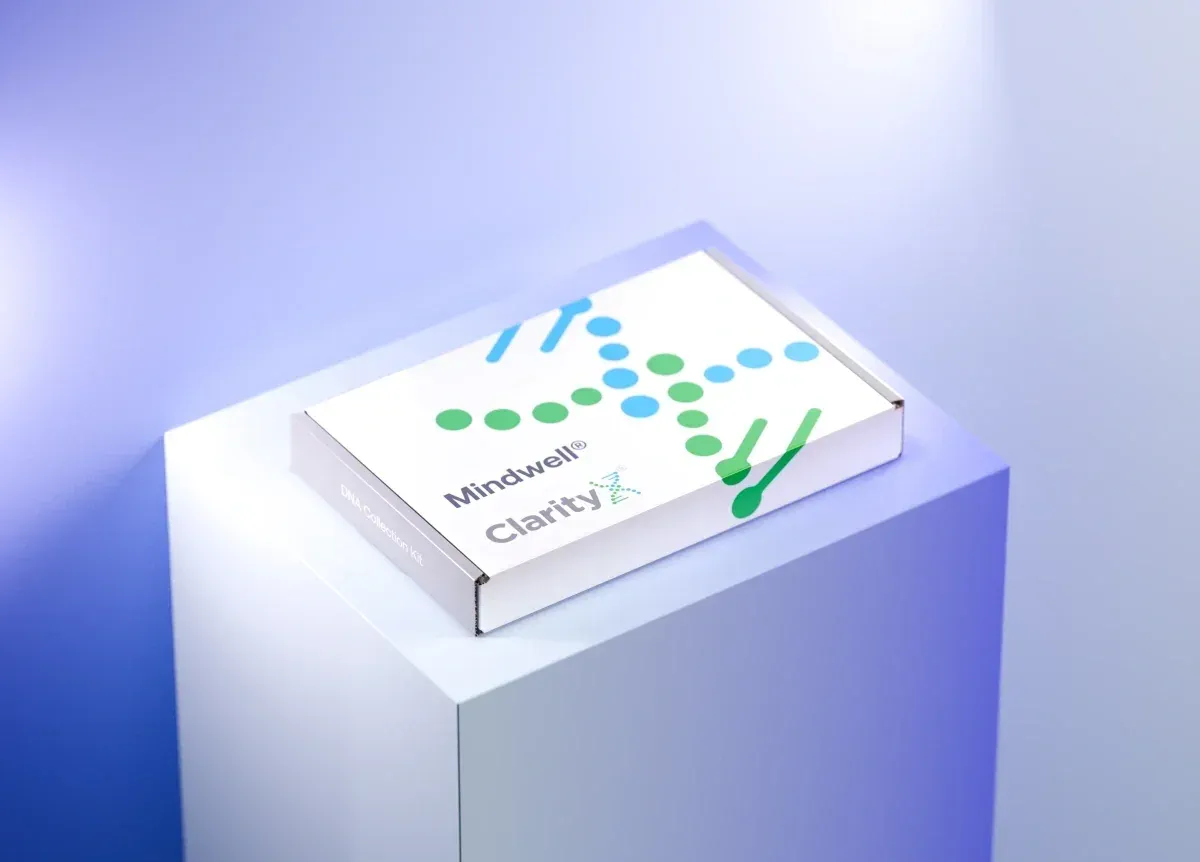
ClarityX is a focused pharmacogenomic test best used with a prescribing clinician. Mindwell and Max Rx test the same 39 genes; the difference is report scope (120+ vs. 285+ medications). See 2026 list pricing, sample-collection details, and how ClarityX compares to GeneSight, Genomind, Tempus nP, and OneOme.

AncestryDNA is the stronger buy for relatives, records, and family trees. 23andMe is the stronger buy when health reporting is part of the goal. Both start at $99.

Genetic testing can feel like magic, but the science behind 23andMe is both precise and imperfect. We compare which results you can bank on and where the limits still matter.

Imagine spitting into a tube and receiving a report that traces your ancestry or reveals health risks. What happens between sample and insight? The answer lies in molecular genetics.

Learn what it means to be once removed in relation to family members.

DNA Painter provides chromosome mapping, shared-cM, family-tree, and relationship-hypothesis tools for genetic genealogy. Learn what data each tool needs and where its conclusions stop.

RNA and DNA are often mentioned together, but they play very different roles in your cells. Here's how they compare and why both matter for genetics.