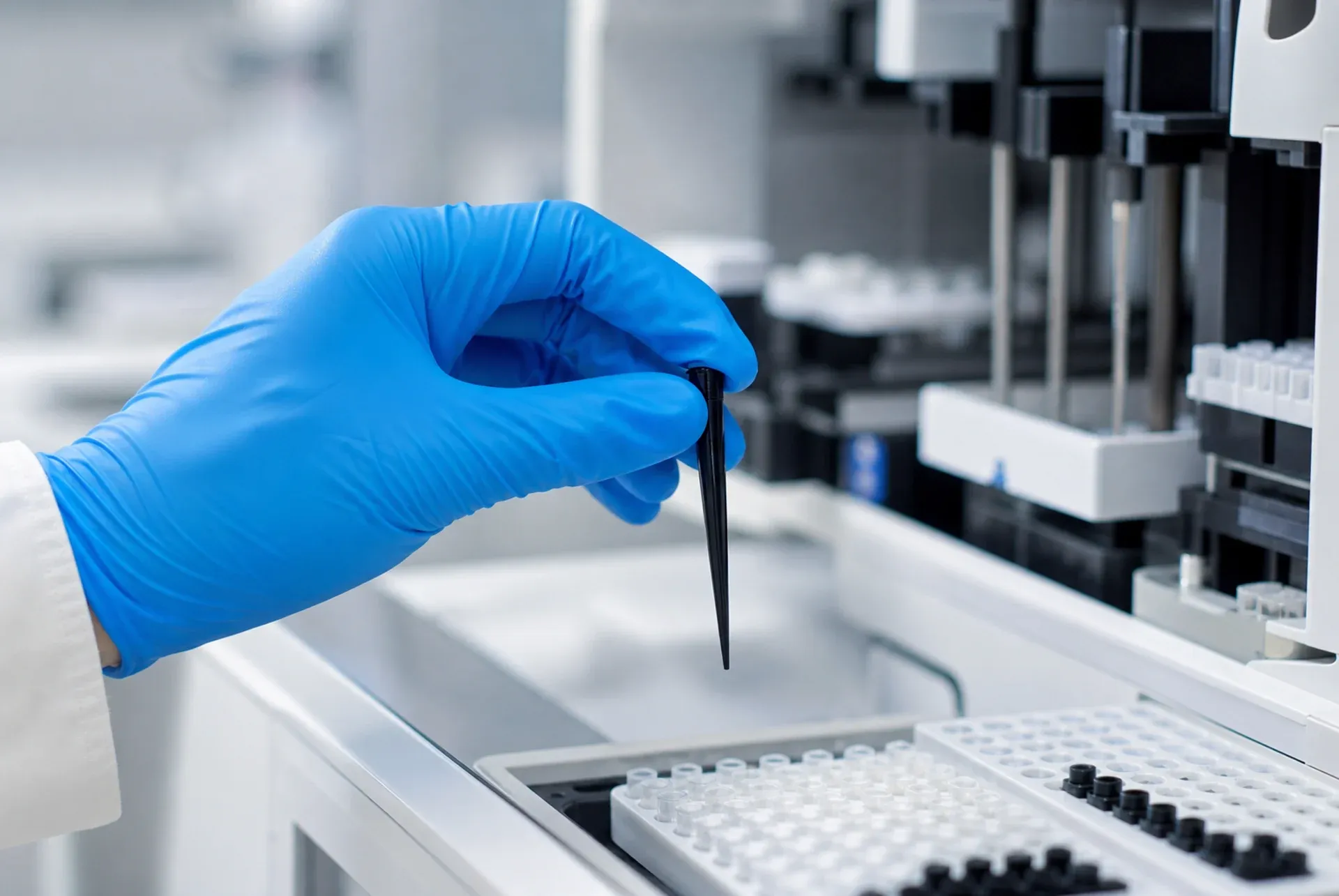
False Positives in Genetic Testing Statistics
Up to 40% of consumer DNA test results may be false positives. We cover the rates across consumer, prenatal, and cancer tests, and what to do if you get a flagged result.
dna testing
Page 13 of DNA Testing. Find the best DNA testing kits for ancestry, health, and genetic insights. In-depth reviews, comparisons, and guides.

Up to 40% of consumer DNA test results may be false positives. We cover the rates across consumer, prenatal, and cancer tests, and what to do if you get a flagged result.

SNP chips still power much of consumer DNA testing because they are fast and affordable. We compare current market growth, where the technology remains strong, and where rare-variant accuracy breaks down.

Genetic testing is now more popular than ever. People want to know about their ancestry, health risks, and personal traits. As the market expands,

Low-pass whole genome sequencing reads your DNA at lower depth to cut costs, then uses imputation to fill in the gaps. Here's how it compares to standard WGS.

Uncles and nephews share about 25% of their DNA on average, but the real number ranges from 17% to 34%. We explain why it varies and what to do when results surprise you.

Finding long-lost relatives can feel like a one-in-a-million chance. Where do you even start?

WikiTree is a genealogy website where you can create or contribute to family trees while working together on a global shared family tree.

Embark screens for 350+ breeds and 250+ health conditions using over 200,000 genetic markers. At $159 for the Breed+Health kit, it costs more than competitors but delivers the deepest single-kit results for most dog owners.

If you have a mixed-breed cat or a cat you adopted, DNA tests like Basepaws can help you learn more about the cat's lineage.

Kittens are born with the same wide-eyed hope we feel when we first hold them. Sometimes, though, a kitten arrives with a body part that formed a little