
Many people are curious whether or not they have Native American ancestry and wonder if DNA testing will be able to tell them. But what does DNA testing really say?
Below, we look at how DNA testing works for this purpose, what it can realistically tell you, and where its limits are.
Can a DNA Test Help You Determine if You Have Native American Ancestry?
Yes. DNA test kits reveal your ethnic lineage, so you’ll be able to determine where your relatives came from. Many family trees include different origins, and Native American ancestry may be part of yours.
Despite the benefits of DNA testing for Native American heritage, there are a few flaws in at-home test kits for this purpose.
Source: 123rf
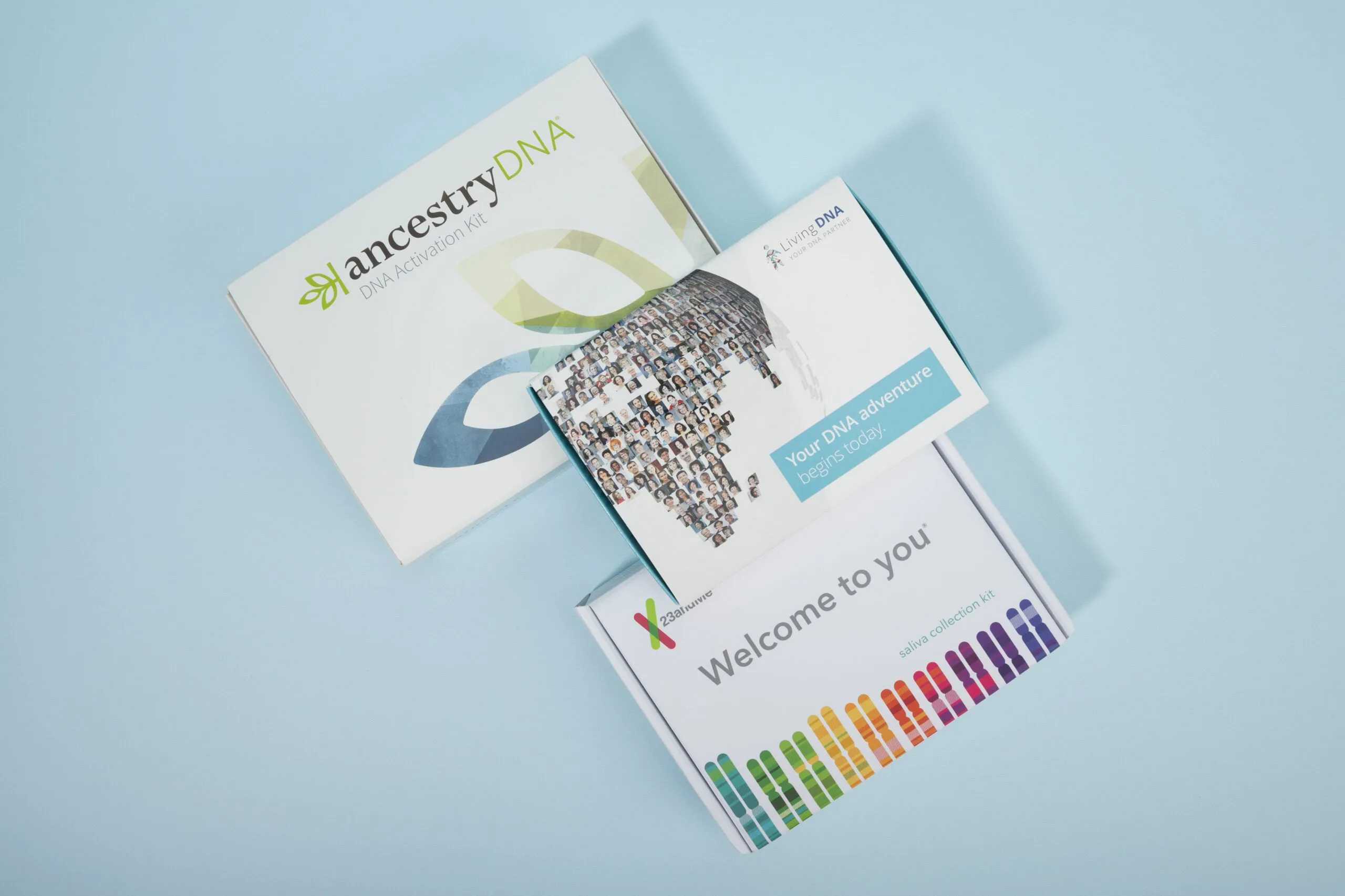
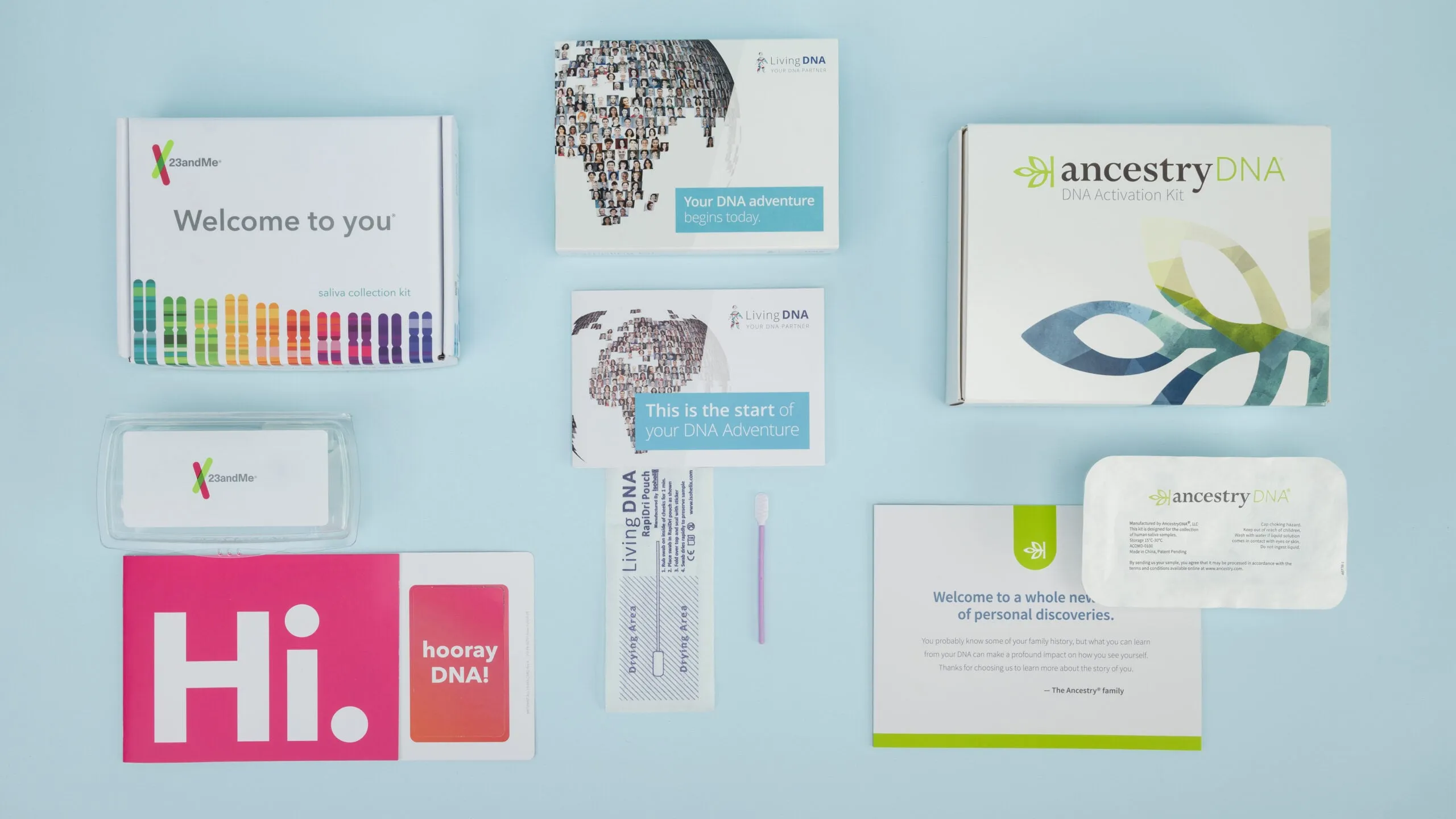
At-home kits give you an estimate of your DNA makeup based on modern reference populations mapped by region. The better a testing company’s database, the more detailed your results. Not everyone will get a complete picture from a single sample.
If you want the strongest mainstream options for this kind of family-history research, our guide to the best DNA tests for ancestry is the right next step.
If your kit draws from a smaller database with limited Native American reference samples, your results may be vague or incomplete.
At-Home DNA Testing is a Crowd-Sourcing Effort
DNA test kits rely on people to participate. If they are unable to grow their database or a certain heritage refuses to participate, it’s incomplete data.
Additionally, who is or is not a Native American based on the criteria of each tribe also varies widely. There are more than 550 federally recognized Native American tribes, and each has specific guidelines for determining tribal membership.
Source: 123rf
Most tribes do not require DNA testing for membership and rely solely on paternity and familial connections of the last four to five generations. This makes it difficult to track heritage genetically.
Some tribes even prohibit DNA testing of members. This has limited the Native American information in databases, and it’s more difficult to establish connections with your ethnic heritage.
Although some tribes are interested in exploring the use of DNA for tribal enrollment, to date, science can’t come up with a genetic signature for this purpose.
Should You Use DNA Testing to Establish Native American Heritage?
The simplest answer is that it’s likely impossible to do so. Add to that the fact that it usually isn’t worth trying for most people.
Most people connect to their tribes through tangible family heritage. They might have moved away from their tribal reservation, but they still have a connection to it that is stronger than any blood-quantum calculation.
The only reason for establishing a genetic connection to a tribe would be to satisfy your curiosity. It’s interesting to understand your genetic roots, and if that helps you feel more grounded, it won’t hurt to know more. “Being” Native American has more to do with experience and community relationships rather than origins and blood, especially if you haven’t practiced the traditions before.1
Because of this, a tribal council will decide whether or not you share in their heritage, not a DNA test.2 Test results will not automatically make you part of a tribe, even if it shows that you have some indigenous blood.3
DNA Tests Might Be a Great Way to Learn about Native American Ancestry for Some People
Some people consider DNA testing for Native American ancestry something of a novelty, but it does offer more than that.
Just as learning you have ancestors from Italy, Africa, China, or anywhere else in the world, knowing that you have Native American DNA is interesting. It can also help you identify health risks and understand things about yourself better.
It’s highly unlikely genetic testing will reveal anything that will be recognized by a tribal council. That doesn’t mean knowing your heritage isn’t an important endeavor.
Connecting to your Native American roots through your DNA allows you to explore your history and learn more about your family. And something like that is never a wasted effort.