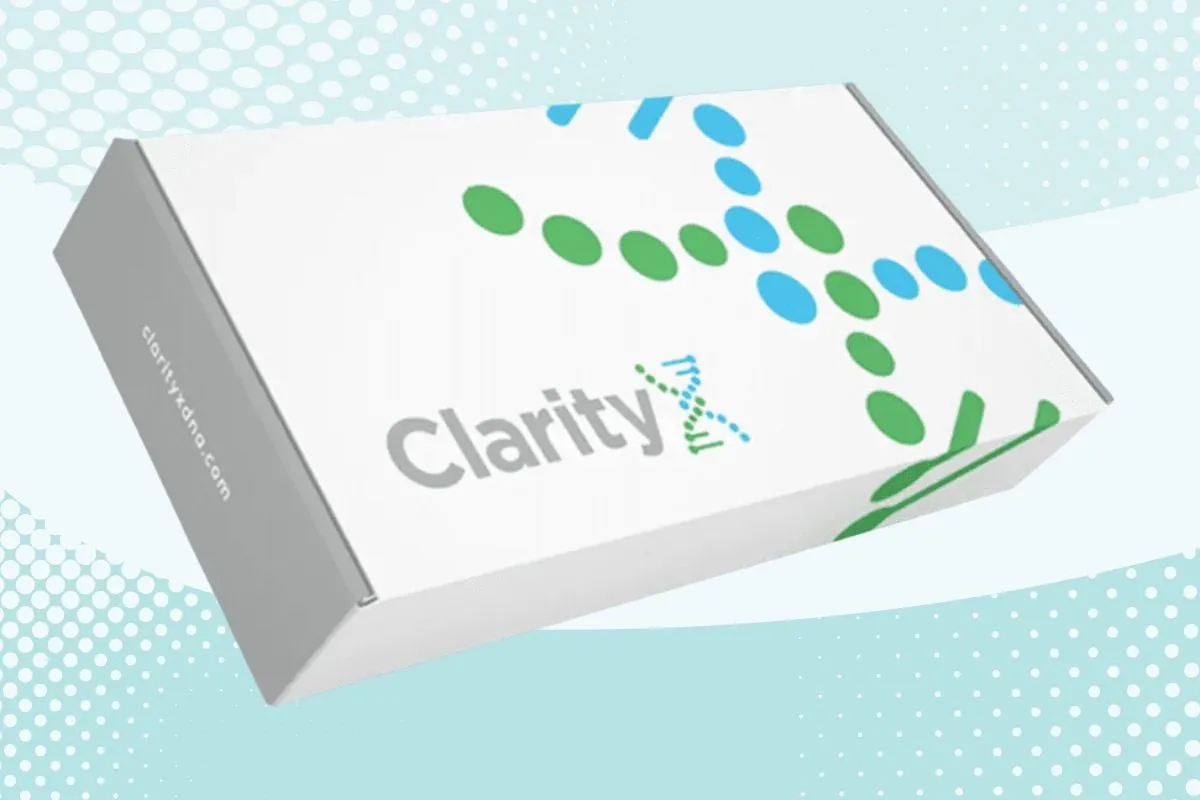

ClarityX is one of the more focused pharmacogenomics products in the consumer DNA market. It is not trying to be an ancestry kit or a general wellness dashboard. Its main promise is narrower: use your DNA to help explain why certain medications may work better, worse, or with more side effects for you.
That can be useful, but only if you use the report the right way. Pharmacogenetic testing is most valuable when it helps a clinician make better prescribing decisions. It is much less useful if you expect it to eliminate trial and error completely.
Key Takeaways
- ClarityX is built around medication-response testing, not ancestry or broad health reporting.
- The Mindwell product focuses on mental-health medications (around $249), while Max Rx covers a wider prescription range (around $349).
- ClarityX says its platform covers 275+ commonly prescribed FDA-approved medications across multiple therapeutic areas.
- It works best as a clinician-facing decision aid, not as a self-prescribing tool.
- The company says test kits are destroyed after genetic information is produced.
What ClarityX Tests
ClarityX sells pharmacogenomic tests, usually called PGx tests. These look at genetic variants linked to how your body processes or responds to medications.
The two most visible options are:
Mindwell (around $249)
Mindwell is positioned around psychiatry and mental-health medication decisions. ClarityX describes it as covering 135+ mental-health medications and providing:
- current-medication analysis
- medication-response guidance
- individualized dosing guidance
- a risk-management profile
Max Rx (around $349)
Max Rx is the broader version. According to ClarityX, it covers 275+ commonly prescribed FDA-approved medications across therapeutic areas like psychiatry, cardiology, pain management, endocrinology, gastroenterology, oncology, and more.
How the Test Works
ClarityX uses an at-home cheek-swab collection kit. You activate the kit, collect the sample, send it back, and wait for lab analysis.
The company says results are typically ready about 7 to 10 business days after the lab receives the sample.
Where ClarityX Is Strong
ClarityX does a few things well compared to broader consumer DNA brands.
Narrower and more practical than generic wellness DNA kits
This is not a “learn about yourself” product. It is aimed at a real prescribing problem, which gives it a stronger practical use case than many lifestyle-genetics products.
Better clinician handoff than most consumer DNA brands
ClarityX says it works with physicians licensed in all 50 states for review and authorization, and says clinical pharmacists certified in pharmacogenomics help support implementation.
Clearer use case
If you already know the question you are trying to answer is about medication fit, ClarityX makes more sense than buying a broader DNA kit and hoping it covers the same issue well.
Where ClarityX Is Weak
No PGx product is a shortcut around clinical judgment. ClarityX shares the same core limitations as the rest of the category.
It does not replace prescribing judgment
This is the main limitation of every PGx product. DNA can help explain metabolism and risk patterns, but it cannot see everything that affects a medication decision.
Dose, diagnosis, symptoms, interactions, organ function, age, and history still matter.
It will not remove all trial and error
Even a good pharmacogenetic result does not guarantee a perfect first medication choice.
It is easy to overtrust
The test feels actionable because it deals with medications people are taking right now. That makes it more important, not less important, to use it with a clinician.
Privacy and Data Handling
ClarityX says it collects personal information, medication information, and sample-derived genetic information as part of the service. In its privacy policy, the company says test kits that may contain DNA are destroyed once genetic information is produced.
It also states that it will not sell, lease, or rent identifiable individual information without explicit consent.
Who Should Buy It
ClarityX makes the most sense for:
- people already discussing medication optimization with a clinician
- patients with a history of difficult side effects or poor medication fit
- people who want a PGx-specific test rather than a general DNA report
It makes less sense for:
- people looking for ancestry or trait reports
- anyone expecting a diagnosis
- buyers who plan to interpret drug decisions alone
Bottom Line
ClarityX is a credible consumer-facing pharmacogenomics option because it stays focused on a real problem: medication response. That focus is also its limit. The test is only as useful as the medical conversation that follows it.
If you want a PGx report to bring into an active prescribing discussion, ClarityX is worth considering. Mindwell starts at around $249 and Max Rx at around $349. If you want a broader DNA experience or a standalone answer, it is the wrong product.