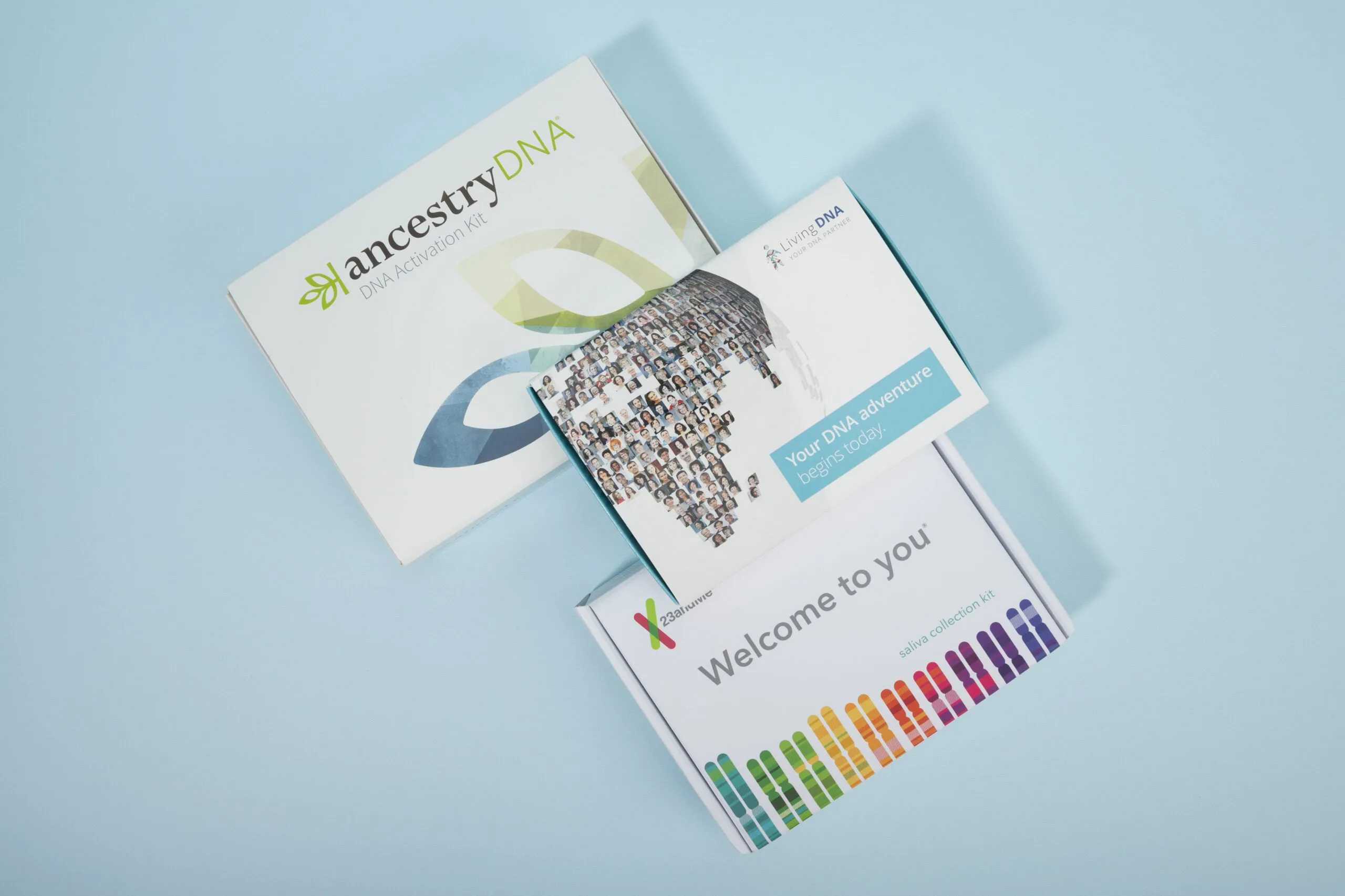
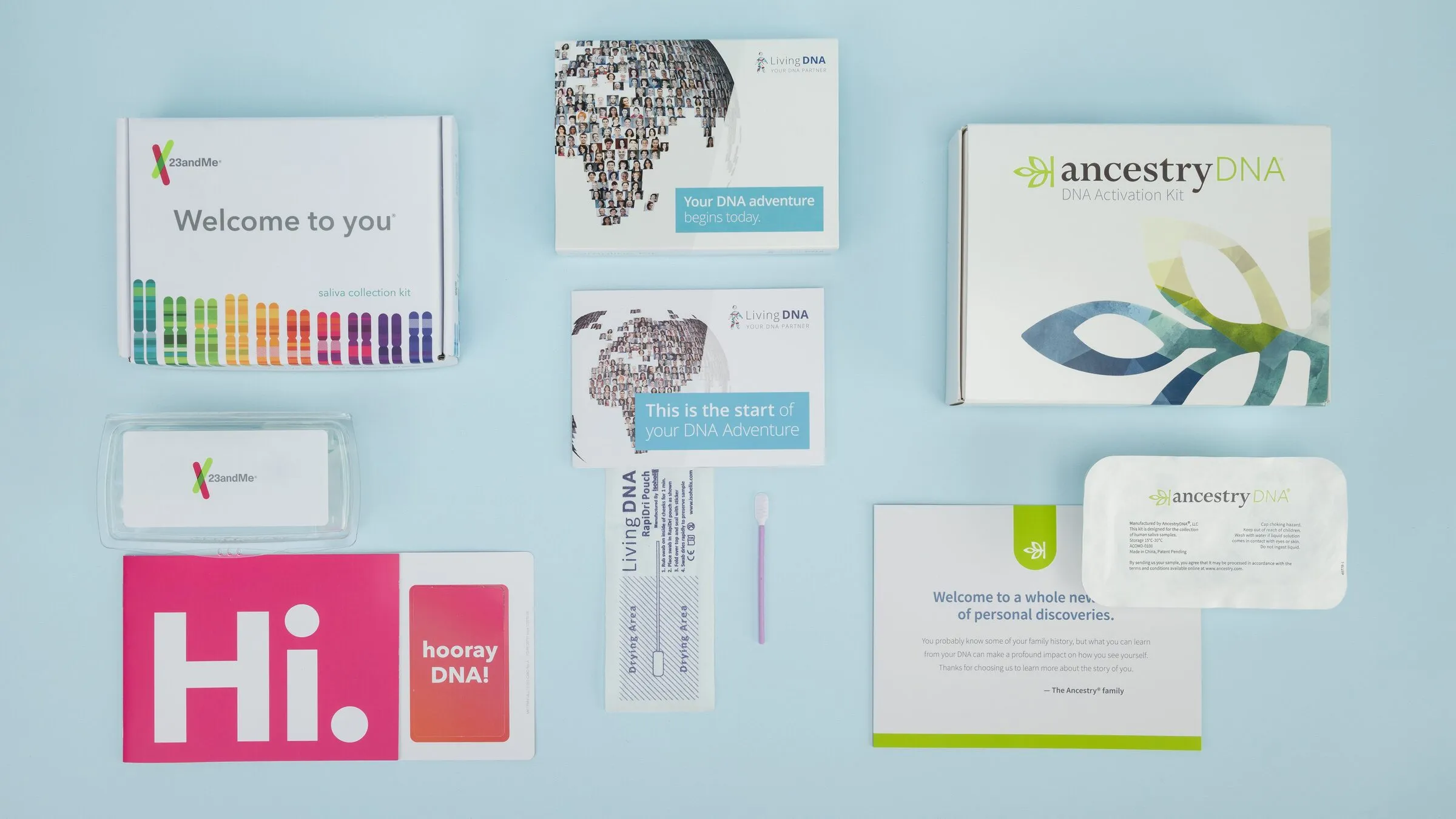




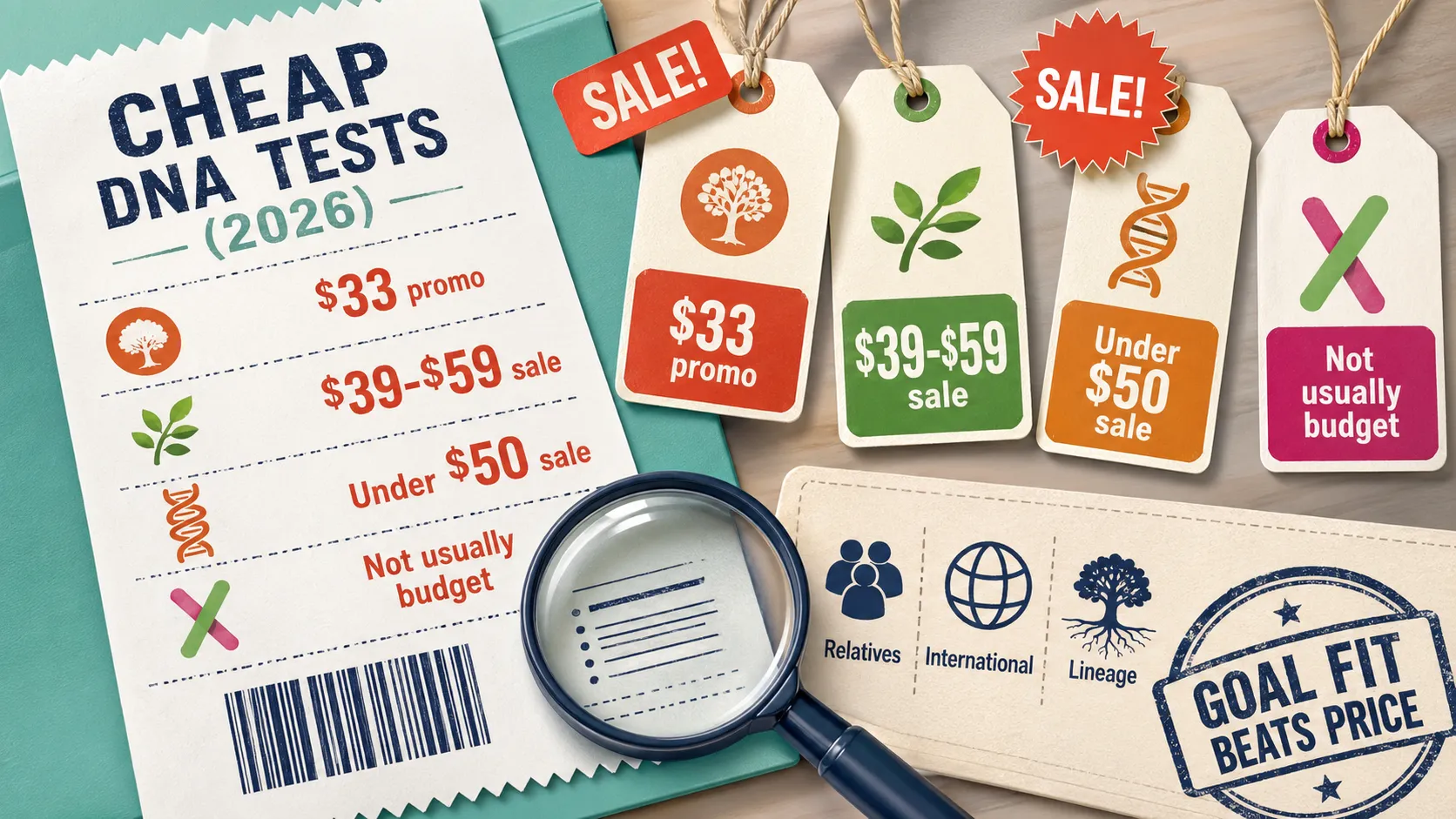
Most DNA tests list between $79 and $199, but sales and entry-tier kits regularly push prices under $50. MyHeritage runs promotions near $33 as a standalone kit (and lower if you accept a subscription-tied offer). AncestryDNA and FamilyTreeDNA both drop below $50 during major seasonal sales. And if you already own a raw-DNA file, Genomelink and GEDmatch let you upload it for free.
The cheapest kit is not always the smartest buy. Below, we break down verified 2026 prices, sale windows, what falls out of the box at the budget tier, and which budget options actually deliver. Prices checked against manufacturer sites on May 20, 2026.
Key Takeaways
Here is what budget DNA shoppers need to know right now.
- MyHeritage runs promotions near $33 as a standalone kit, with a $89 list price, the cheapest reliable name-brand ancestry option you can buy without strings attached.
- A separate MyHeritage offer drops the kit to $19.90, but that price is tied to a 30-day Complete subscription trial that auto-renews unless you cancel. Read the checkout fine print before clicking through.
- AncestryDNA lists at $99 but drops to $39-$59 during Black Friday, Prime Day, and DNA Day (April 25). It buys you the largest consumer DNA database when discounted.
- FamilyTreeDNA Family Finder lists at $79 and falls below $50 during holiday sales.
- 23andMe’s Basic Ancestry tier starts at $99 post-restructuring, with Advanced Ancestry + Health at $199 and Total Health at $499. The Basic tier rarely drops below $79 on sale.
- Genomelink and GEDmatch are free if you already have a raw-DNA file from any major kit.
- A $33 kit that answers your question beats a $99 kit on sale that does not.
Everything We Recommend
These are the picks that make sense when price is the primary concern.
| Test | List Price | Typical Sale / Promo | Best For |
|---|---|---|---|
| MyHeritage | $89 | ~$33 standalone promo (or $19.90 with subscription trial) | Budget ancestry with international matching |
| AncestryDNA | $99 | $39-$59 | Largest matching network at a discount |
| FamilyTreeDNA Family Finder | $79 | $39-$59 | Autosomal matching plus line-specific upgrades |
| Genomelink (upload) | $0 base | $0 base | Free trait reports from an existing raw-DNA file |
| GEDmatch (upload) | $0 base | $0 base | Free cross-company matching for genealogy hobbyists |
Our Top Picks
Budget DNA shopping works when you match the cheapest option to the job you need done.
MyHeritage: Near $33 During Promos / $89 List
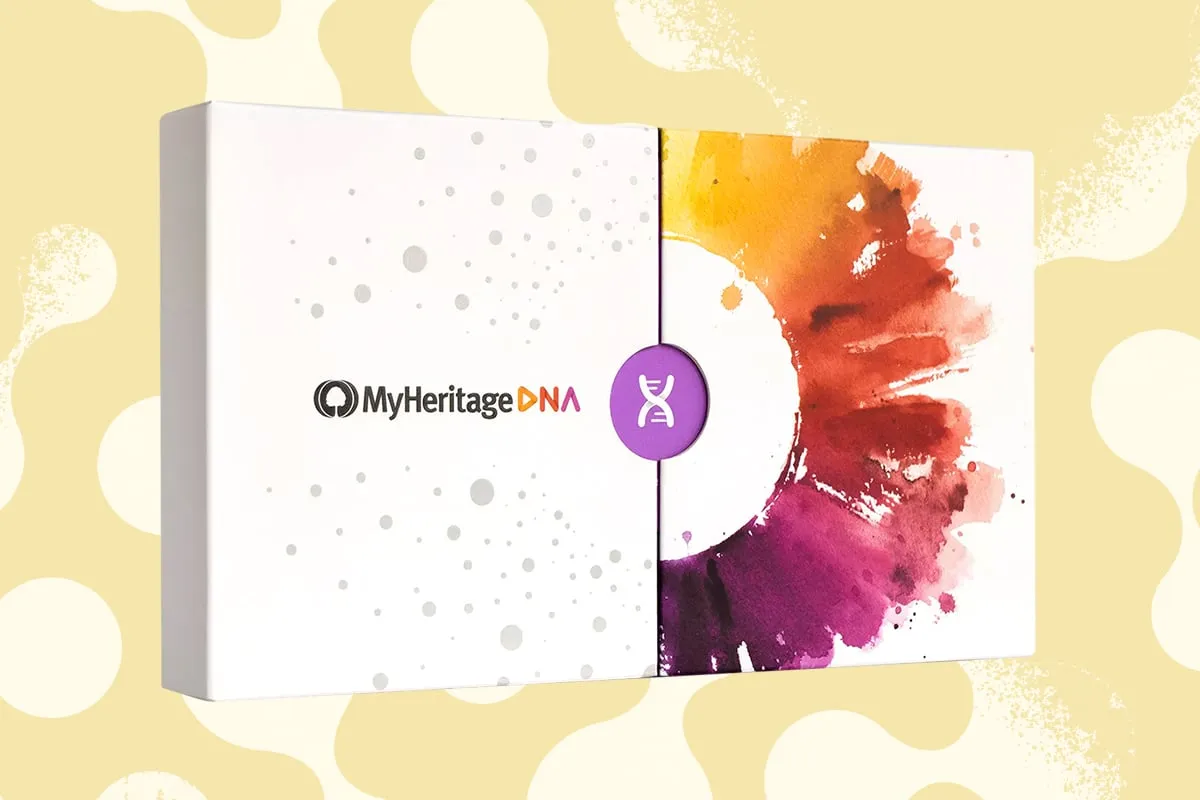
MyHeritage is the easiest way to get a name-brand ancestry kit under $50 without waiting for a seasonal sale. Promotional pricing near $33 appears regularly throughout the year, and the list price ($89) still undercuts AncestryDNA ($99) and 23andMe’s $99 Basic Ancestry tier.
On the May 20, 2026 check, MyHeritage’s product page also rendered a $19.90 kit offer, but that price is bundled with a 30-day Complete subscription trial that auto-renews into a paid plan unless you cancel. The standalone promo near $33 is the apples-to-apples comparison against AncestryDNA and FamilyTreeDNA list prices; $19.90 only beats $33 if you are comfortable managing the trial cancellation window.
The tradeoff against AncestryDNA is a smaller matching network. If your research crosses international borders, that gap matters less, as MyHeritage is positioned for global ancestry research with a multilingual interface, and its ethnicity model was upgraded to version 2.5 in early 2025. For a deeper look, read our full MyHeritage DNA review.
AncestryDNA on Sale: $39 to $59 / $99 List
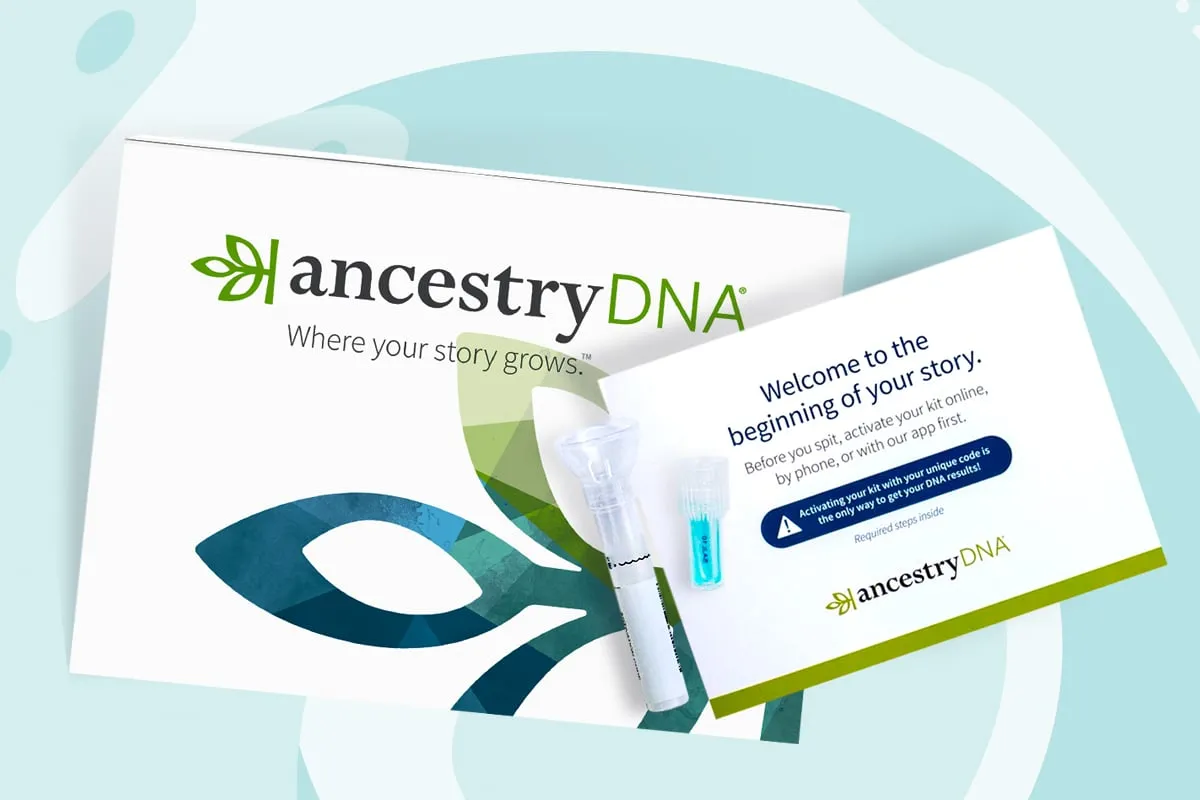
AncestryDNA at full price ($99) is not a budget kit. During Black Friday, Prime Day, and DNA Day (April 25), it drops to $39-$59. At those prices, you get access to what AncestryDNA’s own product page calls “the largest consumer DNA database” for less than many weaker kits cost at list. Older marketing has cited 25 million users, but the current product page does not publish a refreshed number. Treat the 25M+ figure as historical.
The catch is timing. If you need a kit today, this is not the budget pick. If you can wait for the next sale window, AncestryDNA at $49 delivers more matching power than most permanently cheap alternatives. A 2025 update matched customers to more than 3,600 places worldwide, including 68 new or updated European regions.
FamilyTreeDNA Family Finder: Under $50 on Sale / $79 List
FamilyTreeDNA’s Family Finder lists at $79 and drops below $50 during holiday promotions. It opens access to a database that serious genealogy hobbyists value for its autosomal matching tools and chromosome browser. Read our FamilyTreeDNA review for the deeper product walkthrough.
This is the budget pick for someone whose question goes beyond basic ethnicity estimates. FamilyTreeDNA also sells Y-DNA and mtDNA tests as separate products, so if you start with Family Finder now, you keep the option to add line-specific tests later without switching platforms.
Free Upload Services: $0 If You Already Have Raw DNA
If you already have a raw-DNA file from any major kit (AncestryDNA, 23andMe, MyHeritage, FamilyTreeDNA), you can get additional analysis for free by uploading it to a third-party service. This is the cheapest path to extra insight if you have already tested.
Genomelink offers free trait reports (appearance, fitness, personality traits) generated from your uploaded file, with paid add-ons available for deeper reports. GEDmatch lets you compare your file against a separate matching database used by serious genealogy researchers, including matches outside your original testing company. Both are free at the base tier.
What this path does not get you is a new lab sample, fresh genotyping, or the matching network of the company whose kit you upload from. It expands what you can do with a file you already have, which is the entire point.
DNA.Land, a research-grade upload service that briefly competed in this space, closed in 2019 and is no longer a working option.
What You Don’t Get Under $50
Budget-tier kits trade specific features for the lower price. Naming what falls out of the box is the only way a price-led reader can actually judge fit.
- No health reports. Under-$50 pricing is ancestry-only. 23andMe’s FDA-cleared BRCA1/BRCA2 selected-variants report and FDA-authorized pharmacogenetic reports live on the $199 Advanced Ancestry + Health tier and the $499 Total Health tier. MedlinePlus Genetics also flags that DTC kits use limited variant sets and are not a substitute for diagnostic medical genetic testing.
- Raw-DNA download is sometimes gated. Some budget-priced kits restrict raw-DNA file export to higher tiers or charge a separate fee. If you plan to upload your file to a free service, confirm raw-data access is included before you buy. AncestryDNA, 23andMe, MyHeritage, and FamilyTreeDNA all allow raw-data download from their consumer accounts; verify the policy on smaller brands.
- Smaller reference panels. Ethnicity estimates work by comparing your DNA against reference panels: curated groups of samples the testing company has genotyped to represent each population. Budget-positioned and white-label kits often use smaller panels, which produces broader, less specific region calls. The National Human Genome Research Institute notes that the value of direct-to-consumer DNA tests depends heavily on the quality of the reference databases behind them.
- Weaker data-handling practices. Major brands publish detailed privacy policies, account-deletion procedures, sample-destruction options, and law-enforcement-request positions. Smaller budget-tier brands often do not. The Federal Trade Commission has issued specific consumer guidance flagging direct-to-consumer DNA-test privacy as an area where shoppers should read terms carefully before submitting a sample.
Privacy at the Budget Tier
Major DNA-testing brands publish detailed privacy policies, allow you to delete your account and request destruction of your physical sample, and document positions on law-enforcement data requests. Smaller and white-label budget kits often do not.
Before buying any kit under $30 from a brand you do not recognize, check three things: is there a clear data-deletion process documented on the site, does the company name the lab behind the testing and (for any health-related claims) disclose CLIA certification and CAP accreditation, and does the policy explicitly state whether genetic data is sold or shared with third parties. The FTC’s consumer alert on DNA privacy and the NHGRI’s direct-to-consumer testing FAQ both flag these as the right questions to ask. If any of the three is unclear, the savings are not worth the data risk.
When DNA Kits Go on Sale
Major DNA kits drop below list price during predictable windows. If you can wait, these are the four moments to watch.
- DNA Day (April 25). AncestryDNA, 23andMe, and MyHeritage routinely run their largest discounts of the year on the anniversary of the Human Genome Project’s completion. AncestryDNA has dropped to $39 in past DNA Day windows.
- Mother’s Day and Father’s Day (May, June). MyHeritage and AncestryDNA promote heavily for both holidays, with typical pricing in the $49-$59 range.
- Prime Day (July). AncestryDNA and 23andMe discount on Amazon. 23andMe has dipped to $79 in past Prime Day windows; AncestryDNA to $49.
- Black Friday and Cyber Monday (late November). The biggest discount window of the year. All four major brands typically hit their annual price floor across this stretch.
If you need a kit immediately and cannot wait, MyHeritage’s near-$33 standalone promotional pricing runs through much of the year and is the lowest reliable floor without subscription strings attached.
How to Choose a Cheap DNA Test
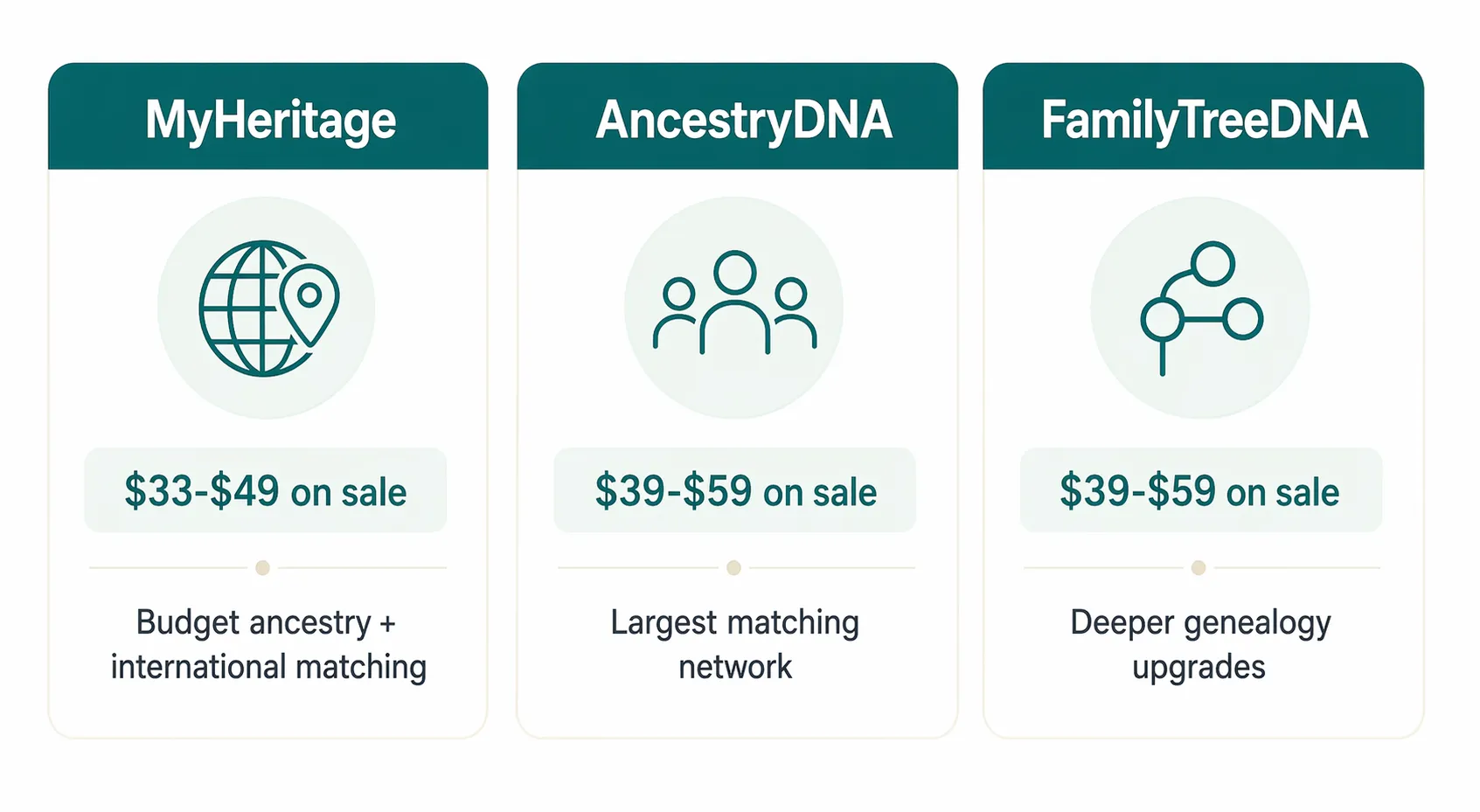
Price alone does not tell you whether a kit is worth buying. A $33 kit that answers your actual question is a better deal than a $99 kit on sale that sits in a drawer.
Start by identifying your goal:
- Basic ancestry estimates and international matching: MyHeritage near $33 standalone handles that.
- Strongest relative-matching network: Wait for AncestryDNA to go on sale at $39-$59.
- Deeper genealogy or line-specific research: FamilyTreeDNA’s sale pricing ($39-$59) is the better investment.
- You already have a raw-DNA file: Upload it to Genomelink or GEDmatch for $0 before buying anything else.
Skip the unbranded $20-$30 kits. Listings on Amazon and AliExpress for ancestry kits under $30 from brands you do not recognize typically use unnamed labs, smaller reference panels, and unclear data-handling. The savings vanish when the results are unusable or the company disappears. The cheapest reliable name-brand option is MyHeritage near $33. Go no lower without accepting tradeoffs.
23andMe’s tier structure was rebuilt after the company’s 2025 restructuring and the launch of TTAM (the nonprofit that now stewards consumer-genetics research data). The current Compare page shows Basic Ancestry at $99, Advanced Ancestry + Health at $199, and Total Health at $499. The Basic Ancestry tier rarely drops below $79 on sale. Health reports on the Advanced and Total Health tiers include some FDA-reviewed material: the BRCA1/BRCA2 selected-variants report is FDA-cleared under 510(k) K223597, and the pharmacogenetic reports are FDA-authorized under De Novo DEN180028. Not every health-related report on the platform has been reviewed by the FDA. For ancestry-only buyers on a budget, the cheaper options serve you better. If health data is part of the purchase, read our 23andMe review before deciding which tier fits.
The Bottom Line
We recommend buying the cheapest kit that fits the job, not the cheapest box in the category. For most budget ancestry shoppers, that means MyHeritage near $33 standalone or sale-priced AncestryDNA at $39-$59. For deeper genealogy on a budget, FamilyTreeDNA under $50 on sale is the stronger value.
If you already have a raw-DNA file from any major kit, upload it to Genomelink or GEDmatch for free analysis before paying for a second kit.
If budget is secondary to finding the right kit overall, use our flagship DNA test roundup or the ancestry-specific roundup instead.