

A centimorgan calculator does not prove one exact relationship by itself. It helps you narrow the range of likely relationships based on how much DNA two people share.
That is why centimorgans are useful, but not magical. Shared DNA can tell you a lot. It usually cannot tell you everything without context from age, family tree clues, and the rest of the match list.
What a Centimorgan Means
A centimorgan, usually written as cM, is a unit used to describe how much DNA two people share. In consumer DNA testing, higher shared cM totals usually mean a closer biological relationship.
That is the basic idea behind every centimorgan chart or relationship calculator. If you and another person share a lot of DNA, the likely relationship pool gets narrower. If you share much less DNA, the list of possible relationships gets wider.
What a Calculator Can Tell You
A centimorgan calculator is best used as a narrowing tool. It can tell you that a match is likely in a certain relationship range, such as parent-child, grandparent-grandchild, aunt-niece, half sibling, or first cousin.
What it cannot do is promise one exact answer every time. Different relationships can overlap in shared-cM range, which is why the same total can sometimes fit more than one family connection.
Why One Number Is Not Enough
This is the part many people miss. A total shared cM number is useful, but you still need context.
Age differences matter. Shared matches matter. Whether the match is on one side of the family or both sides matters. Segment size and family structure can matter too, especially in endogamous communities or families with pedigree collapse.
How To Use a Shared-cM Tool
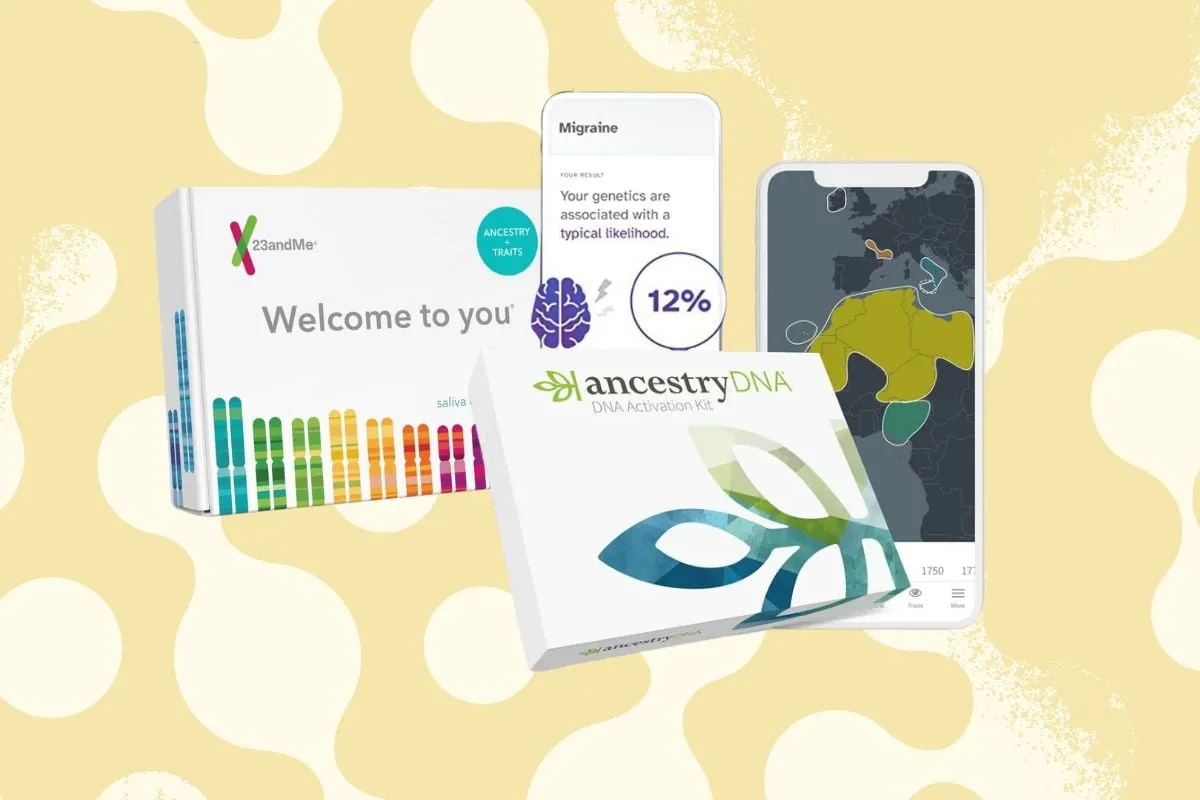
Start by taking the total shared cM from the testing platform — such as AncestryDNA or 23andMe — and checking it against a trusted tool like the Shared cM Project or DNA Painter.
Then use that output as the start of the investigation, not the end. The next step is usually to compare shared matches, look at tree clues, and test whether one possible relationship fits the rest of the evidence better than the others.
What To Do Next After You Find a Range
If the range looks close, focus on shared matches and generation level first. That usually helps more than obsessing over tiny differences in total cM.
If the range is broad, look for context that can rule possibilities out. A person who is too young to be your aunt, for example, may fit better as a cousin. A parent-child number is usually much clearer than a grandparent or half-sibling range because the overlap is smaller.
The Bottom Line
We think centimorgan tools are very useful, but only when you use them the right way. They are best at narrowing possibilities, not proving one exact relationship in isolation.
Use the cM total to build a shortlist of likely relationships. Then use shared matches, age, tree evidence, and family context to decide which answer actually fits. If you have not tested yet, our best DNA tests for ancestry roundup covers which platforms give you the most useful match data.