






If you want to learn what your DNA says about your health, the right test depends on how deep you want to go. Some kits focus on common risk variants with FDA backing. Others sequence your entire genome for a broader but less curated picture.
Below, we compare the strongest health-focused DNA tests available now and explain what each one can realistically tell you.
Key Takeaways
Quick health takeaways:
- 23andMe is the most practical starting point for most people: It is the only consumer kit with FDA-cleared health predisposition, carrier status, and pharmacogenetic reports.
- Whole genome sequencing gives you more data, not necessarily better answers: Services like Sequencing.com capture your full genome, but the reports depend on interpretation tools that are not FDA reviewed.
- Epigenetic testing measures something different: TruDiagnostic looks at how your DNA is expressed over time, not your inherited sequence. It tells you about biological aging, not genetic disease risk.
- No consumer DNA test is a diagnosis: These are screening tools. A flagged variant means further conversation with a healthcare provider, not a confirmed condition.
- Privacy matters more with health data: Review data handling, deletion rights, and ownership terms before you submit a sample, especially given recent industry changes.
Everything We Recommend
These are the health DNA tests we would look at first, ranked by their strongest use case.
- Best for FDA-cleared health reports — 23andMe
- Best for whole genome health data — Sequencing.com
- Best for health-focused analysis — SelfDecode
- Best for international health + ancestry — TellMeGen
- Best for biological age tracking — TruDiagnostic
- Best for lifestyle health reports — LifeDNA
The table below summarizes how they compare before the deeper breakdown.
| Test | Best for | Testing method | FDA cleared | Starting price |
|---|---|---|---|---|
| 23andMe | Health reports with FDA backing | Genotyping | Yes | $199 |
| Sequencing.com | Deepest genome data | Whole genome sequencing | No | $69 / $399 (WGS) |
| SelfDecode | AI-powered health analysis | Genotyping + raw data upload | No | $199 / $299 |
| TellMeGen | International health + ancestry | Genotyping | No | $149 |
| TruDiagnostic | Biological age tracking | DNA methylation (epigenetic) | No | $499 |
| LifeDNA | Lifestyle wellness reports | Genotyping / raw data upload | No | $99 |
Our Top Picks
Most people do not need the deepest sequencing available. They need the test that best matches what they are trying to learn about their health.
These are the six picks that make the most sense right now.
23andMe — Best for FDA-Cleared Health Reports
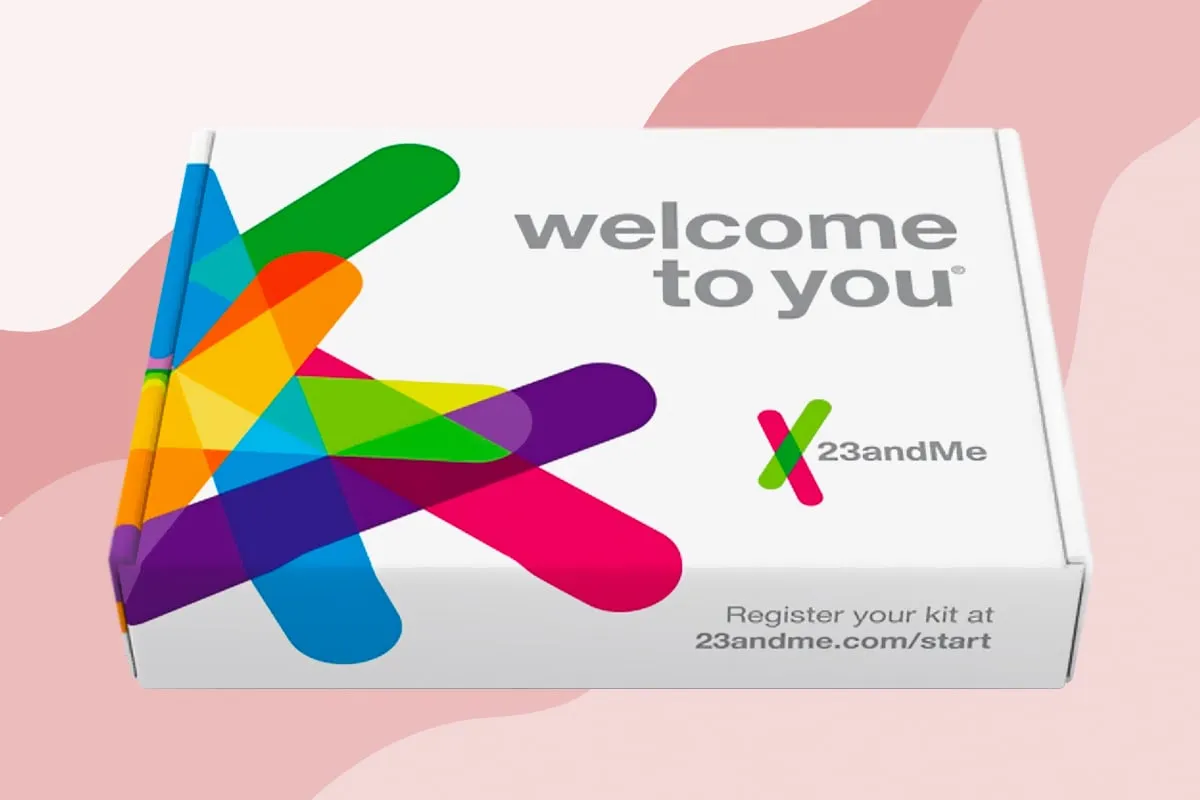
23andMe is the only consumer DNA test with multiple FDA-cleared health report categories. That includes health predisposition reports (covering conditions like Type 2 diabetes, celiac disease, and late-onset Alzheimer’s), carrier status reports (45+ conditions you could pass to your children), and pharmacogenetic reports (how you may metabolize certain medications).
The health reports are not comprehensive genetic testing. The genotyping chip reads about 0.03% of your genome at selected positions. For example, the BRCA1/BRCA2 report covers 44 variants out of the 1,000+ known to affect breast and ovarian cancer risk. But for a consumer-level starting point, the FDA-cleared status means these specific reports have been independently reviewed for clinical validity.
One important note: 23andMe filed for bankruptcy in March 2025, and its assets were acquired by TTAM Research Institute in July 2025. The consumer service continues to operate, but if data privacy is a priority, review the current terms under the new ownership before testing.
Sequencing.com — Best for Whole Genome Health Data
Sequencing.com offers whole genome sequencing that reads all 6.4 billion base pairs of your DNA rather than a selection of known variants. That gives you the broadest possible dataset, including rare variants that genotyping chips would miss entirely.
The health analysis comes through an app-based marketplace that covers 15,000+ conditions. You can add reports as new research becomes available without retesting. The tradeoff is that none of these reports carry FDA clearance, so you are relying on the platform’s interpretation rather than independently reviewed clinical validity. For people who want the most complete raw data to explore over time, this is the strongest option.
If you started your search with Nebula, read our Nebula Genomics guide before buying. It explains the shutdown, what former customers should do now, and why Sequencing.com is the cleaner current alternative.
SelfDecode — Best for Health-Focused Analysis
SelfDecode uses AI-powered analysis to generate personalized health reports from your DNA data. You can either order their kit or upload raw data from other services like 23andMe or AncestryDNA. The platform covers 200+ health topics with reports on conditions, nutrients, supplements, and lifestyle factors.
What sets SelfDecode apart is its recommendation engine. Rather than just flagging genetic variants, it cross-references your DNA with peer-reviewed research to suggest specific supplements, dietary changes, and lifestyle adjustments. Reports are updated as new studies are published. If you want actionable health guidance rather than raw data, SelfDecode is worth considering.
TellMeGen — Best for International Health + Ancestry
TellMeGen offers 400+ reports spanning health predispositions, hereditary conditions, pharmacogenetics, carrier status, personal traits, and ancestry. It analyzes over 13 million genetic variants, which is broader coverage than most genotyping-based competitors.
The pharmacogenetics section is particularly useful if you want to understand how your body may respond to certain medications. The service also includes regular report updates as new research is published, so your results grow over time without retesting. One important caveat: TellMeGen does not have FDA clearance, so U.S. customers should treat the health information as educational rather than clinically validated.
Our full TellMeGen review is the better next step if you are specifically comparing its health-report depth, pricing, and ancestry tradeoffs against 23andMe or upload-based tools.
TruDiagnostic — Best for Biological Age / Epigenetic Testing
TruDiagnostic measures something fundamentally different from the other tests on this list. Instead of reading your inherited DNA sequence for risk variants, TruAge analyzes DNA methylation patterns — chemical markers that change over time in response to lifestyle, environment, and aging.
The result is a biological age score, a pace-of-aging measurement, and organ-specific age estimates across 11 systems including brain, heart, and liver. This uses the OMICmAge algorithm developed with Harvard University and measures 1 million+ CpG sites.
The test requires a small blood sample rather than saliva. It is best suited for people interested in longevity tracking and quantifying how lifestyle changes affect their rate of aging, not for screening inherited disease risk.
LifeDNA — Best for Lifestyle Health Reports
LifeDNA focuses on translating your genetics into practical wellness recommendations. The reports cover 130+ traits across nutrition, fitness, sleep, skincare, supplements, and cognition. You can either take their DNA test directly or upload existing raw data from 23andMe, AncestryDNA, or other providers.
Every test order includes a private phone consultation to walk through your results and action steps. The service is best for people who want personalized lifestyle guidance rather than medical risk screening. LifeDNA’s genetic data is never sold to third parties or shared with insurance companies, and you maintain full ownership and deletion control.
What Health DNA Tests Can (and Can’t) Tell You
This is the part many comparison pages skip, and it matters more for health DNA tests than for ancestry kits. Understanding the limits helps you use the results well and avoid making decisions based on incomplete information.
What They Can Do
Health DNA tests are useful for several things when you understand the context.
- Flag genetic risk variants: Tests can identify variants associated with higher risk for conditions like Type 2 diabetes, celiac disease, or certain cancers. This is probabilistic information, not a certainty.
- Identify carrier status: If you are planning a family, carrier screening can tell you whether you carry variants for conditions like cystic fibrosis or sickle cell disease that could be passed to your children.
- Provide pharmacogenetic insights: Some tests report how you may metabolize certain medications, which can be a useful starting point for conversations with your prescribing doctor.
- Measure biological aging: Epigenetic tests like TruDiagnostic can quantify how quickly your body is aging at the cellular level, which is different from inherited risk.
- Establish a baseline: Getting your DNA data now means you can revisit it as new research links more variants to health outcomes.
What They Cannot Do
Consumer DNA tests have real limits you should understand before treating the results too seriously.
- They are not a diagnosis. A flagged variant or elevated risk estimate should lead to a conversation with a healthcare provider, not self-diagnosis or treatment changes.
- They do not test everything. Genotyping reads a tiny fraction of your genome. Even whole genome sequencing cannot interpret every variant it finds. Many regions of the genome are still poorly understood.
- Lifestyle and environment matter too. Your genes are one factor among many. Diet, exercise, stress, environmental exposures, and family medical history all shape your actual health outcomes.
- Results can vary between services. Different companies use different variant panels and interpretation models. A variant flagged by one service may not appear in another’s reports.
- False positives happen. Studies have found that direct-to-consumer genetic tests can produce false-positive results, making clinical confirmation especially important for any result that would change medical decisions.
When to Talk to a Genetic Counselor
If a result could affect your medical decisions, pregnancy planning, or how you interpret a serious family-history pattern, a genetic counselor is the right next step. A counselor can help you understand what a report actually means, what test should come next, and whether confirmatory clinical testing is appropriate.
This is especially important when a direct-to-consumer result raises more questions than it answers. Consumer reports are designed for education and screening, not for making treatment decisions on their own.
The Bottom Line
The best health DNA test for you depends on what kind of health information you want and how deep you need to go. For most people, 23andMe is the strongest starting point because it is the only consumer kit with FDA-cleared health, carrier, and pharmacogenetic reports.
If you want more data, these are the best next steps.
- For FDA-cleared health screening: Check 23andMe Price
- For the deepest genome data: Check Sequencing.com Price
- For health-focused analysis: Check SelfDecode Price
- For overall DNA test comparison: Read Which DNA Test Is the Most Accurate?
- For understanding privacy tradeoffs: Read Which DNA Test Is the Most Private?