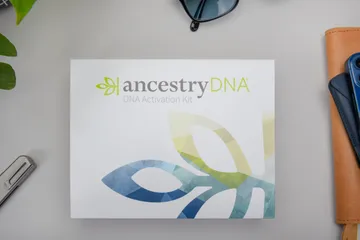






The best ancestry DNA test depends on what kind of family-history work you want to do. AncestryDNA is the strongest first buy for most people — its database of 25+ million users, access to over 40 billion historical records, and 2,114 ethnicity regions create a genealogy workflow no other kit matches.
This page ranks ancestry-only kits. If your goal is relatives, ethnicity estimates, records, or deeper genealogy, these are the picks that matter.
Key Takeaways
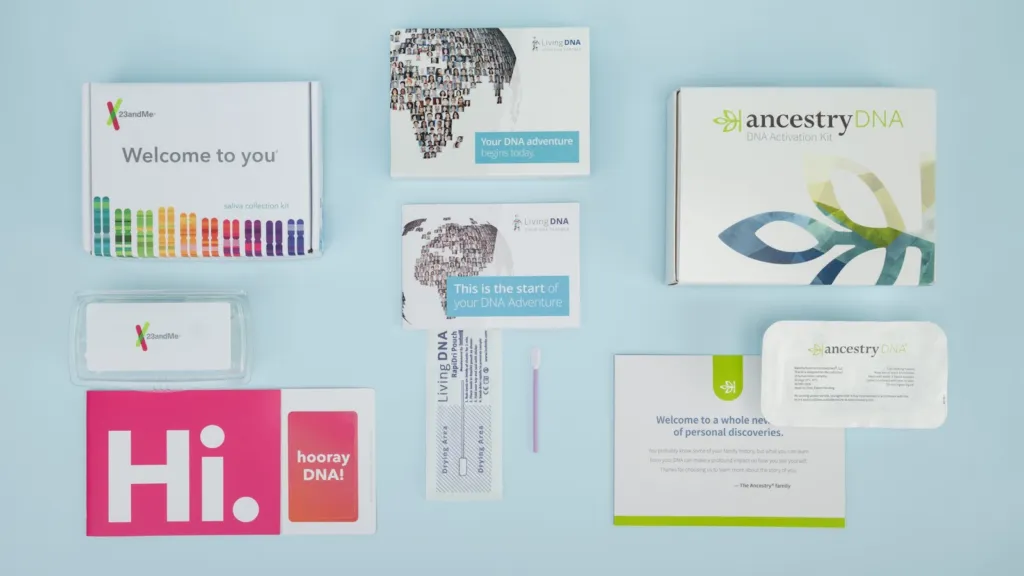
Here is how ancestry DNA kits stack up right now.
- AncestryDNA ($99) is the best first ancestry test for most people. Its 25+ million-user database and integrated tree-building workflow are unmatched.
- MyHeritage ($33 promo / $89 list) fits better for international research. The platform supports 42 languages with cross-border trees and records.
- FamilyTreeDNA ($79) is the specialist choice. It is the only major consumer kit offering Y-DNA and mtDNA testing.
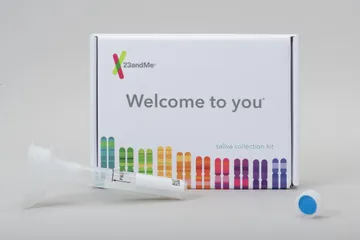
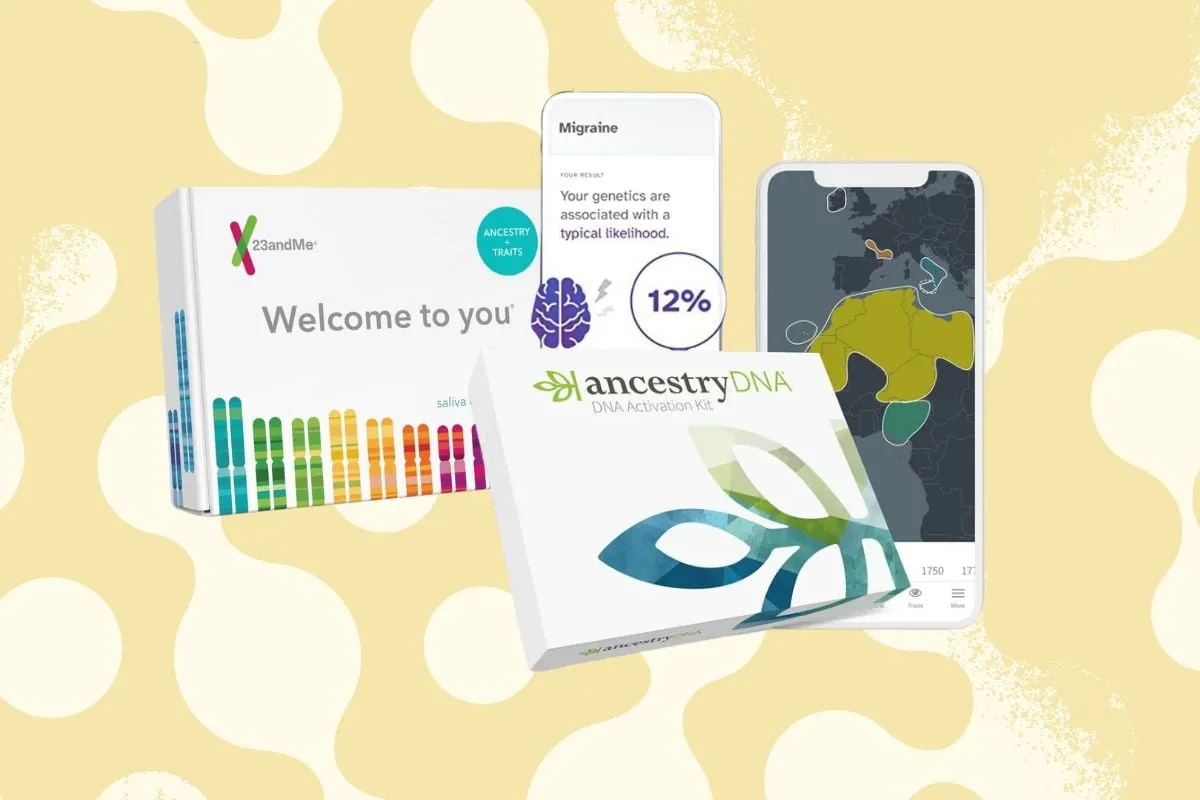
- 23andMe ($119) covers 4,500+ ancestry regions but its genealogy tools are weaker. It belongs on this list only if health reporting matters to you.
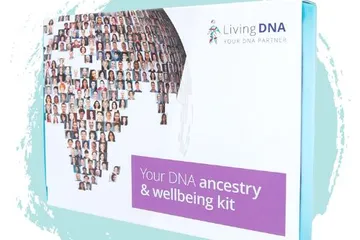
- Living DNA ($90) breaks ancestry into 150+ worldwide regions with particular depth in Britain and parts of Africa.
Our Top Picks
Each pick below serves a different ancestry goal. Match the kit to the research you plan to do.
AncestryDNA — Best Overall ($99)
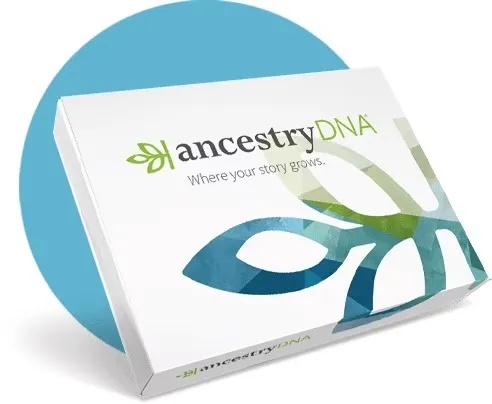
AncestryDNA connects your DNA matches to a tree-building workflow backed by over 40 billion historical records. The database includes over 25 million people, giving you the highest odds of finding useful relatives. A 2025 update expanded coverage to 2,114 ethnicity regions.
The tradeoff is that full access to historical records requires a separate Ancestry membership ($25-$50/month). The DNA kit itself starts at $99. For a deeper product breakdown, read our full AncestryDNA review.
MyHeritage — Best for International Research ($33 Promo / $89 List)
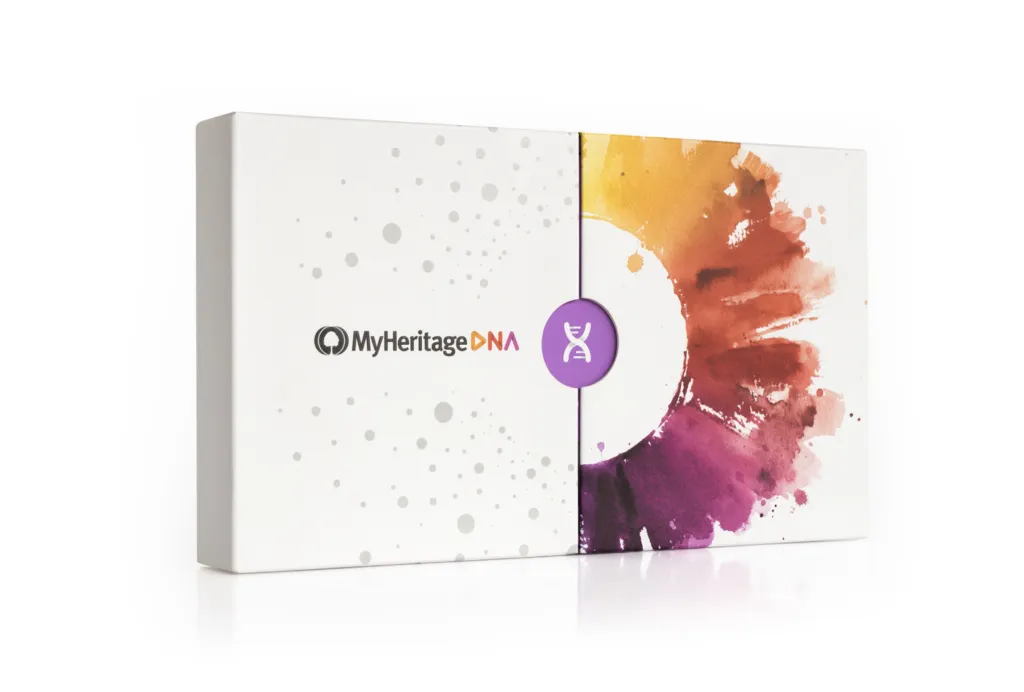
MyHeritage is the better fit when your family story crosses borders. Its multilingual interface supports 42 languages, and its cross-border records make tracing ancestry across several countries easier than on any other platform. The ethnicity model was updated to v2.5 in early 2025, improving regional accuracy.
The DNA matching network (7+ million users) is smaller than AncestryDNA’s 25+ million. That gap matters less if your research focuses outside North America, where MyHeritage has proportionally stronger coverage. Read our MyHeritage DNA review for the full breakdown.
FamilyTreeDNA — Best for Serious Genealogy ($79)
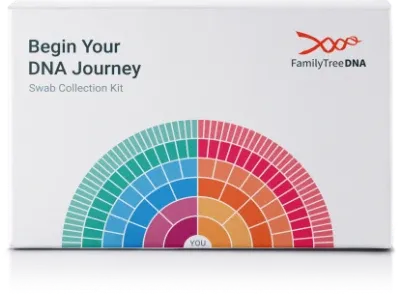
FamilyTreeDNA is the only major consumer platform offering Y-DNA and mtDNA testing alongside autosomal matching. If you want to trace a specific paternal or maternal line, no other kit on this list does that job. The Family Finder autosomal test starts at $79, with a database of 2+ million users.
Y-DNA and mtDNA tests cost more but unlock line-specific analysis that mainstream kits skip entirely. The learning curve is steeper than AncestryDNA or MyHeritage, and the platform is built for genealogy hobbyists rather than casual users.
23andMe and Living DNA — Narrower Ancestry Uses
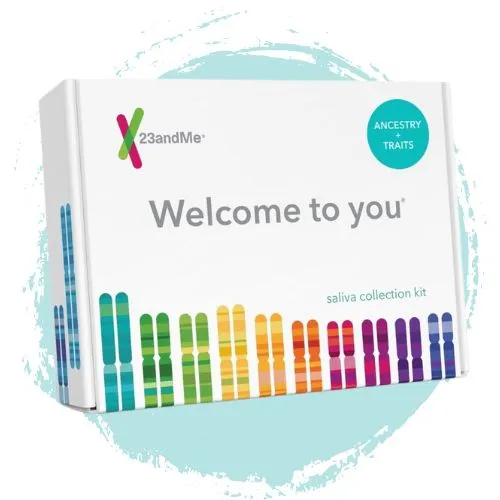
23andMe ($119) reports on 4,500+ ancestry regions — more granular than any competitor. It also pairs results with 55+ FDA-authorized health reports, including carrier status for conditions like cystic fibrosis and sickle cell anemia. If health reporting is part of your reason for buying, it earns a spot. If ancestry is the only goal, the genealogy workflow is weaker than AncestryDNA’s, and the 14+ million-user database skews toward health-focused customers rather than genealogy researchers.
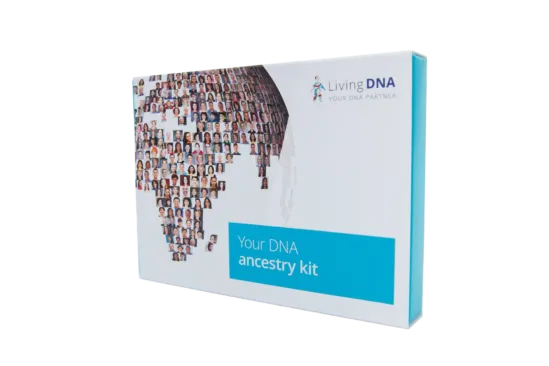
Living DNA ($90) breaks ancestry into 150+ worldwide regions with particular strength in Britain and parts of Africa. The matching environment is the smallest on this list (under 1 million users), so it works best as a second test for someone chasing sub-regional specificity. If your decision is between the two mainstream leaders, use our dedicated 23andMe vs. Ancestry comparison.
How To Choose the Right Ancestry Test
Match the kit to the ancestry work you plan to do, not to a brand name or sticker price.
- If you are adopted or researching unknown parentage: AncestryDNA’s 25+ million-user database gives you the best odds of finding biological relatives.
- If your family story spans multiple countries: MyHeritage’s multilingual tools and international records handle cross-border research better than the alternatives.
- If you want paternal or maternal line tracing: FamilyTreeDNA is the only consumer option with Y-DNA and mtDNA testing.
- If you want health data alongside ancestry: 23andMe is the only kit here with FDA-authorized health reports.
- If you want the finest regional breakdown: Living DNA goes deeper on sub-regional detail than any competitor, especially in Britain.
You do not need to buy more than one kit upfront. Start with the one that fits your primary goal. Add a second database later only if your research hits a wall that a different matching pool or evidence type could solve.
Ethnicity estimates are modeled probabilities, not fixed truth. Treat them as useful context — relatives, records, and tree work are what move a genealogy project forward.
The Bottom Line
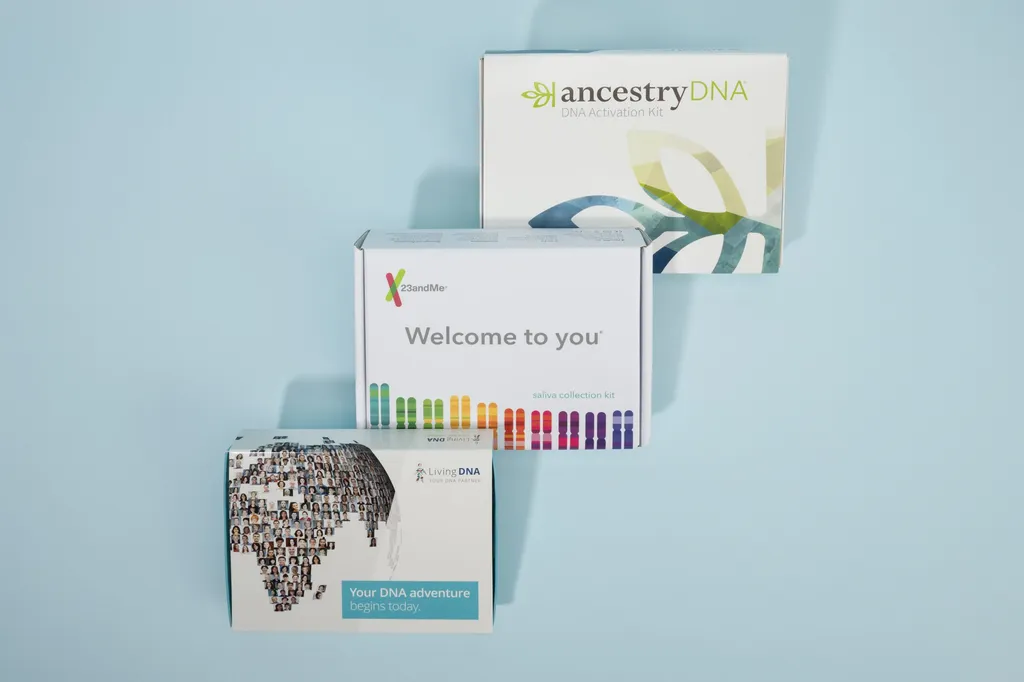
AncestryDNA is the best first ancestry test for most people. MyHeritage is the strongest international alternative, and FamilyTreeDNA is the specialist pick for line-specific genealogy.
If you want the broader best-overall answer that includes health kits, use Which DNA Test Is the Most Accurate?. If your decision is down to two specific brands, go to the matching review or comparison page.