

The category most people picture when they search for an at-home allergy test, a finger-prick card you mail back, has largely stopped existing. What is left is a choice between three routes to a specific IgE result, and they are not interchangeable.
Curex is our pick for an adult with ongoing environmental symptoms, because it is the only option here that pairs ImmunoCAP IgE testing with a clinician who can act on the result. Our Curex review covers that program in full. If you want the numbers without a subscription, two options get you the same class of lab-grade result: the Labcorp OnDemand Indoor & Outdoor Allergy Test at $199, or a Quest respiratory panel from $52, as of August 21, 2026.
One piece of science belongs at the front of the page rather than in a footnote. A positive IgE result tells you that you are sensitized, not that you are allergic. Everything below is organized around that distinction, including a section on the two product categories that fail it outright.
Key Takeaways
- Best testing plus treatment: Curex. ImmunoCAP specific IgE drawn at a Labcorp or Quest partner site, telehealth review, and compounded sublingual immunotherapy drops at $99/month self-pay, with testing at $199 self-pay or billed to insurance, as of August 21, 2026. The drops are not FDA-reviewed.
- Best lab-grade panel without a subscription: Labcorp OnDemand Indoor & Outdoor Allergy Test, $199 as of August 21, 2026. Fourteen allergens, results 3 to 4 days after your sample reaches the lab.
- Best for targeted and pediatric panels: Quest Health. Single allergens from $52, Indoor Respiratory Allergy Panel $156, 14-allergen Respiratory Allergy Panel $199, Childhood Allergy Test Panel $199, as of August 21, 2026.
- The true finger-prick at-home IgE kit has thinned out. Everlywell retired its allergy test and imaware no longer sells one to consumers, so every remaining lab-grade route involves a venous draw.
- Skip IgG food sensitivity panels and hair-sample intolerance tests. One measures an analyte with no demonstrated relationship to symptoms. The other is not an immunoassay at all.
- A positive IgE is sensitization, not a diagnosis. Anyone with a history of anaphylaxis or a severe reaction should see an allergist rather than self-test.
Sensitization Is Not a Diagnosis
Specific IgE testing measures antibodies that recognize a particular allergen. Having them means your immune system has met that allergen and responded. It does not mean exposure will make you sick. The AAAAI Work Group Report on allergy diagnosis draws the boundary directly: “Distinction between ‘allergic sensitization’ and an ‘allergic disease’ requires thoughtful interaction between the patient and a physician trained in evaluating allergic illness.”
That gap is wide enough to cause real harm. Sensitization is common in people with no allergic disease at all, so a broad panel run without a matching symptom history produces findings that mean nothing for that person.
Cross-reactivity makes it worse. A child sensitized to birch pollen will often show low-level IgE to the peanut component Ara h 8, because the two proteins look similar to the immune system. Read without context, that number labels the child peanut-allergic while the child goes on eating peanut with no reaction, and a family removes a food for no reason.
The labs say the same thing themselves, which matters because it means this is not a fringe editorial position. Labcorp’s product page for the Indoor & Outdoor Allergy Test states that “having measurable IgE for a particular allergen does not guarantee that you will have an allergic reaction when exposed to it,” and directs you to review results with a healthcare provider or allergist first.
Skin-prick testing performed and interpreted by an allergist, read against your symptom history and sometimes confirmed with a supervised oral food challenge, remains the reference standard. A self-ordered blood panel brings a clinician better information; it does not replace the clinician.
None of these tests are FDA approved or cleared. They are laboratory developed tests, run in CLIA-certified laboratories and overseen through CLIA and CMS rather than FDA premarket review. The same distinction runs through broader health testing.
Our Top Picks
Curex: Best If You Want IgE Testing Plus Treatment
Curex is the only pick here that closes the loop between a result and something you can do about it. Testing runs as ImmunoCAP specific IgE on a blood sample drawn at a Labcorp or Quest partner site, with a lower-sensitivity at-home self-collection kit and a concierge home phlebotomy option as alternatives.
The panel has no fixed allergen count. Curex says it is customized to your location and symptoms, typically covering tree and weed pollens, dust mites, molds, and cat and dog dander. A clinician reviews the result and, where appropriate, prescribes custom-compounded sublingual immunotherapy (SLIT) drops taken daily over a course Curex describes as three to five years.
Pricing as of August 21, 2026: testing is $199 self-pay or billed to insurance; drops are $99/month self-pay, from $39/month via the insurance route, and $149/month for the food allergy plan. Sign-up pricing is heavily promotional and moves constantly, so treat the checkout number as a temporary discount in front of a four-figure annual commitment.
Now the part that decides whether this fits you. The drops are compounded at a specialty pharmacy for each patient, and Curex discloses the consequence itself: the FDA does not review compounded products for safety or efficacy. The ACAAI states that allergy drops are not FDA-approved and are off-label in the United States, and are not covered by most insurance, Medicare, or Medicaid. What Curex bills to insurance is realistically the testing and consults, not the drops as a drug.
The only FDA-approved sublingual immunotherapy products in the US are tablets: Oralair, Grastek, Ragwitek, and Odactra. If your problem is grass, ragweed, or dust mite alone, a tablet through an allergist is standardized, FDA-reviewed, and more likely to be covered, which makes it the better first conversation.
The commercial terms deserve equal weight. Curex holds a “C” rating with the BBB, is not accredited, and had 42 complaints closed in the last 12 months. Those complaints cluster on billing rather than clinical harm: prepaid annual plans carry no prorated refund, and cancellation runs through phone or email rather than the app. Sign up monthly until you know the drops agree with you.
Curex fits a reader with confirmed environmental allergic rhinitis who has outgrown antihistamines and nasal steroids and cannot realistically get to an allergist for weekly shots. It is a poor fit with severe or uncontrolled asthma, any history of a severe systemic reaction, or eosinophilic esophagitis. Those are contraindications on the approved SLIT tablet labels, the closest available proxy for the drops. Our Curex review goes deeper on the evidence and the terms.
Labcorp OnDemand Indoor & Outdoor Allergy Test: Best Lab-Grade Panel Without a Subscription
If you want a defensible environmental IgE panel and nothing attached to it, this is the cleanest route. The Labcorp OnDemand Indoor & Outdoor Allergy Test is $199 as of August 21, 2026. It covers 14 allergens, including dust mites, cat and dog dander, cockroach, mouse urine, several grasses and trees, ragweed, and mold.
You order it yourself, an independent provider approves the requisition without a visit, and the sample runs through the same reference-lab methodology a physician-ordered panel uses. Results arrive 3 to 4 days after your sample reaches the lab.
Two things to be clear about before you buy. It is not an at-home kit: you go to a Labcorp location for a venous draw. And what comes back is a result report, not an interpretation. Nobody reconciles a positive dust mite value against symptoms that are worst outdoors in October, and that reconciliation is the actual diagnostic work.
Quest Health Allergy Panels: Best for Targeted and Pediatric Panels
Quest’s consumer-initiated allergy panels work the same way through a different reference lab, with a broader menu if you already have a specific suspicion.
Prices are as of August 21, 2026. Single-allergen tests such as cat, dog, and latex are $52 each. The Indoor Respiratory Allergy Panel is $156, the 14-allergen Respiratory Allergy Panel is $199, and the expanded 25-allergen version is $339. The Childhood Allergy Test Panel for ages 10 to 17 is $199.
On the food side, the Food Allergy Panel with Reflex to Components is $189 plus a $6 physician service fee. That reflex design is genuinely useful: an abnormal peanut, milk, or egg result triggers component testing on the same sample, which is exactly the resolution that separates a real peanut allergy from the birch cross-reactivity described above.
The draw is in person at a Quest patient service center, and the physician service fee covers oversight of the order, not interpretation of the result. As with Labcorp, you receive numbers and take the clinical judgment elsewhere.
The True At-Home Finger-Prick IgE Kit: A Category That Thinned Out
We are not naming a pick here, and the absence is the finding. Everlywell retired its Indoor & Outdoor Allergy Test. The product page now redirects to the shop, and the URL is disallowed in the company’s robots.txt, which is what a sunset product looks like from the outside. imaware, the other name that used to fill this slot, no longer sells a directly purchasable consumer allergy kit.
Kits still on third-party retail shelves are residual stock, and a health decision is not the place to gamble on one. Every lab-grade IgE route still standing runs through a venous draw at a patient service center.
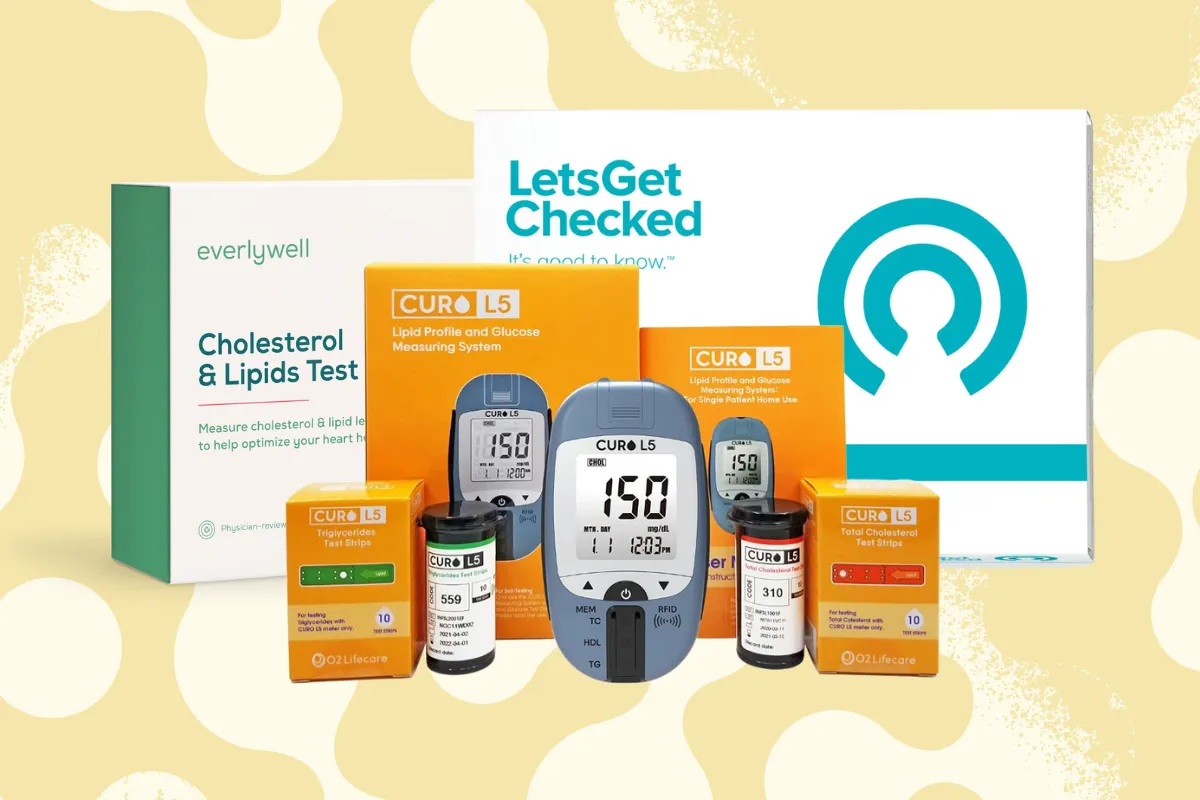
That is a real step down from other home testing categories, where a dried blood spot is a legitimate substitute for a draw. Our cholesterol test roundup covers one of them. Allergy testing has not landed there, and a kit promising otherwise is worth a hard look at what it actually measures.
Skip These
IgG Food Sensitivity Panels
These are real immunoassays run in real laboratories. They measure the wrong analyte. AAAAI’s patient-facing article is titled “The Myth of IgG Food Panel Testing,” and it says of the panel that “this test has never been scientifically proven to be able to accomplish what it reports to do.”
On what a positive means, the same page is explicit: “The presence of IgG is likely a normal response of the immune system to exposure to food. In fact, higher levels of IgG4 to foods may simply be associated with tolerance to those foods.” AAAAI’s Choosing Wisely recommendation is blunter: “Don’t perform unproven diagnostic tests such as immunoglobulin G (IgG) testing or an indiscriminate battery of immunoglobulin E (IgE) tests in the evaluation of allergy.”
The Canadian Society of Allergy and Clinical Immunology reached the same conclusion in 2012. It describes food-specific IgG as a marker of exposure and tolerance, and warns that acting on these panels leads to unnecessary dietary restriction and, in children, exclusion diets carrying real risks of poor growth and malnutrition.
Read those together and the mechanism is clear. IgG to a food rises with repeated exposure to that food. A panel that flags dairy, wheat, egg, and yeast in someone who eats dairy, wheat, egg, and bread is describing a diet, not a disease.
Everlywell’s Food Sensitivity Test is $199 for 96 foods and the Comprehensive version $299 for 204 foods, as of August 21, 2026. To the company’s credit, its own copy states: “This test is not a food allergy test, nor can it determine lactose intolerance or celiac disease.” That disclaimer is accurate, and it removes most of the reason to buy. An elimination-and-reintroduction diet is what identifies a problem food, and it does not need a $199 unvalidated panel to pick a starting point.
Curex sells an optional IgG food sensitivity add-on alongside its IgE panel. The core ImmunoCAP testing is legitimate. That add-on sits outside professional-society guidance, and it is the line item to decline at checkout.
Hair-Sample and Bioresonance “Intolerance” Tests
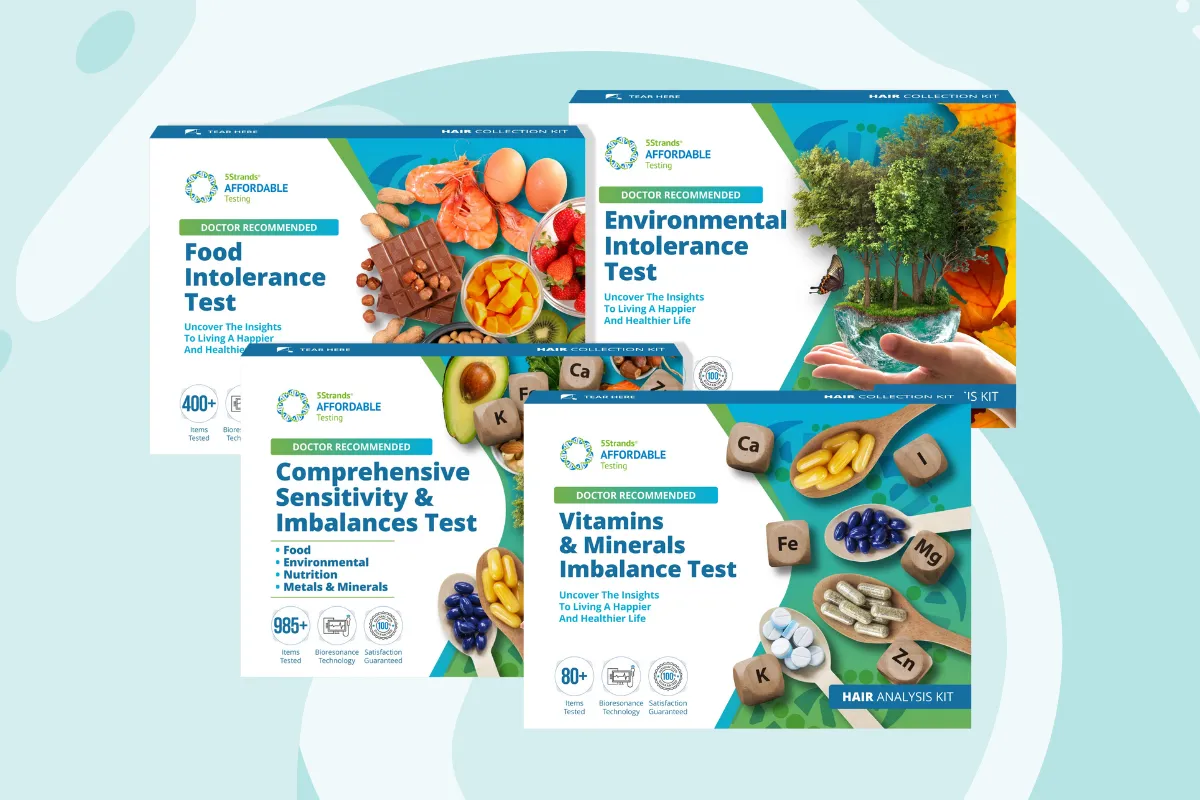
5Strands and Check My Body Health sell hair-strand tests that report reactivity to hundreds or thousands of foods and environmental items. These are not laboratory immunoassays. Nothing in the sample is measured against an antibody; the method is bioresonance, which has no demonstrated mechanism for detecting anything about your immune system.
5Strands states the limit itself: “5Strands DOES NOT test for allergies, which are generally permanent and involve an immune response, unlike intolerances.” That is the product in the vendor’s own words, and it means the test cannot answer the question most buyers are asking.
On 22 April 2026 the UK Advertising Standards Authority upheld a ruling against Global Health Tests Ltd, trading as Check My Body Health, finding the company could not substantiate its bioresonance hair-test claims. The ASA noted that the NHS, the British Association of Dermatologists, and the British Dietetic Association all advise against these tests. Our 5Strands review walks through the methodology and the pricing.
What Happens to Your Health Data
Allergy testing generates health records, and the companies selling it handle that data under posted policies rather than a single uniform rule. Curex’s privacy policy, last updated September 6, 2024, says the company keeps personal information “for no longer than necessary for the purposes for which it is processed,” an open-ended standard with no stated retention period.
That policy frames deletion as a California resident right and carries no explicit HIPAA statement; a separate Notice of Privacy Practices covers the affiliated medical practice. Read both, and apply the same questions about consumer data handling to any company holding your results.
When to See an Allergist Instead of Buying a Test
Some situations should route past this entire page. If you have ever had anaphylaxis or any severe systemic reaction, see an allergist. Do not self-test, and do not use a home-ordered result to decide a food is safe to reintroduce.
The same applies if your symptoms are severe, year-round, or accompanied by asthma, if a child needs treatment, or if your trigger is unclear after basic testing. If your only motivation is curiosity about what a panel would show, do not run one. A positive without symptoms is sensitization, and testing on curiosity alone tends to generate treatment nobody needed.
The Bottom Line
For an adult with persistent environmental symptoms who wants a result and a treatment path in one place, Curex is our pick, with clear eyes about compounded off-label drops, the BBB record, and the refund terms.
For a result on its own, Labcorp OnDemand at $199 or a Quest panel from $52 gives you the same class of IgE number without a subscription, and you carry the interpretation to a clinician yourself. What would flip that recommendation is a single-allergen problem, grass, ragweed, or dust mite alone, where an FDA-approved sublingual tablet through an allergist beats a compounded drop on every axis that matters.