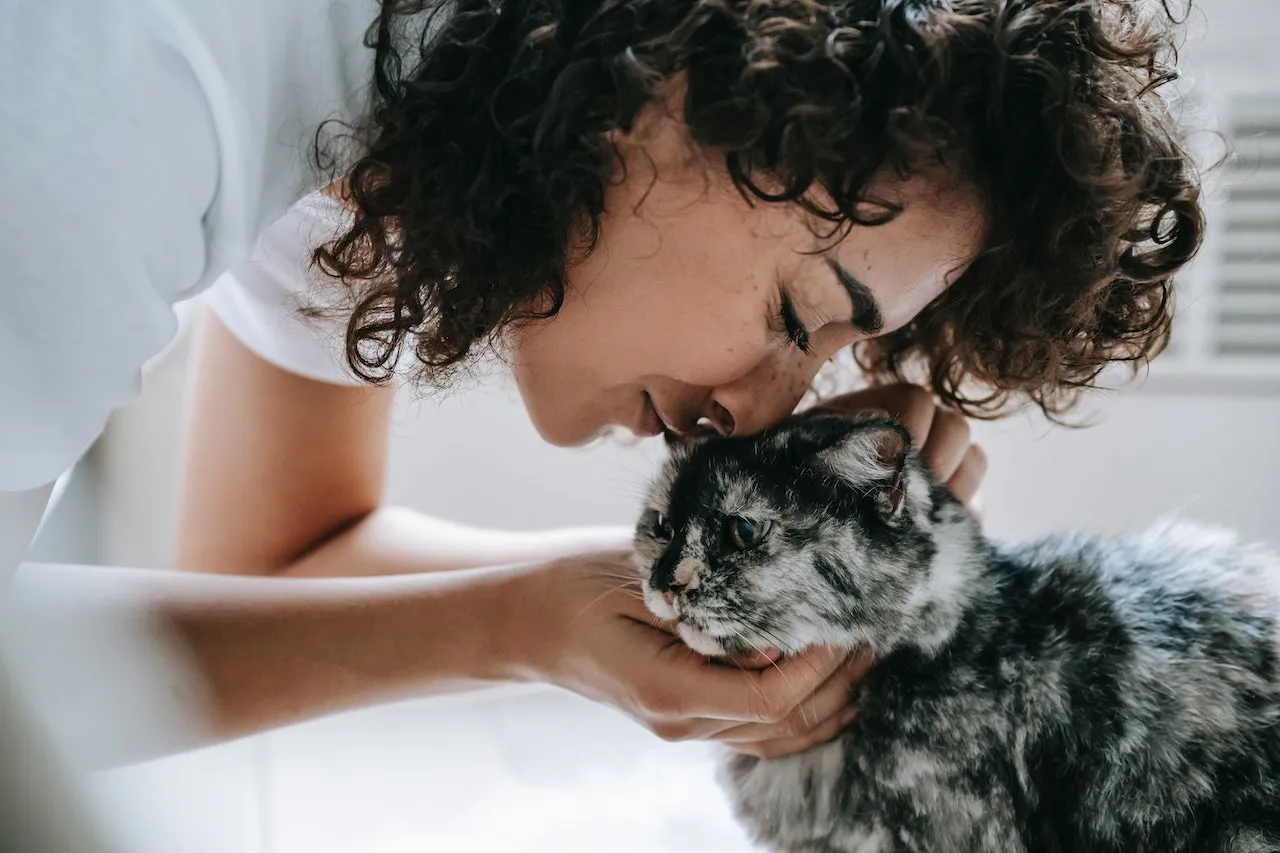

Cats are charming companions that can be wonderful to have around the house. Most people like having them around, but some say cats can improve your health. But how true is it?
Here, we’ll discuss how cats can improve your overall well-being and whether or not this claim is grounded in science.
What Are the Mental Health Benefits of Having A Cat?
Most cat owners feel calmer and happier around their feline companion. Surveys consistently find that cat owners report lower levels of loneliness and increased social connection compared to non-pet owners.
Here are some ways cats can improve your mental health:
- Reducing stress — According to Gary Weitzman, a veterinarian and CEO of the San Diego Humane Society featured in BBC Future, we may be drawn to cats’ calming purring, much like we are naturally drawn to soothing ocean waves.
- Improves mood — Studies have shown that interacting with pets can prompt feelings of tenderness and companionship. Interacting with cats can also help you relax, lift your mood, and reduce anxiety.
- Boosts self-esteem — Taking care of another living being provides a sense of purpose and satisfaction that can boost self-esteem.
- Encourages a healthy routine — Cats require regular care and attention, encouraging healthy daily habits in their owners, such as being mindful about when it’s time to eat, tidy up, etc.
- Increased socialization — Taking care of a cat encourages interaction with other pet owners, leading to greater feelings of connectedness and support.
What Are the Physical Health Benefits of Having a Cat?
Here are a few ways cats can improve your physical health:
- Increased physical activity — Playing with cats or taking them for walks encourages owners to increase their physical activity.
- Enhanced immune system — Early-life exposure to cats may help some children build tolerance to cat allergens.
- Reduces risk of heart disease — Petting animals, including cats, has been linked to the release of oxytocin, which can reduce stress levels and lower blood pressure—all factors associated with a reduced risk of heart disease.
- Improves cardiovascular health — The presence of pets may help improve cardiovascular health by lowering cholesterol and triglyceride levels.9
- Decreases risk of stroke — Owning a cat has been linked to a lower risk of stroke, potentially due to the calming effects of petting animals.10
According to research, exposure to Fel d 1 in a home with cats is much greater than necessary for an allergic reaction (IgE antibody). For this reason, children may build up a tolerance that can last for many years.
What’s the Science Behind This?
On a biochemical level, petting your cat for even a short period can measurably reduce stress. Cortisol is your body’s primary stress hormone; when cortisol levels drop, it signals reduced stress and anxiety.
In laboratory settings, about 10 minutes of petting cats or dogs has been shown to produce significant drops in salivary cortisol. Additionally, petting a cat can boost oxytocin and dopamine, brain chemicals linked to happiness and social bonding.
While these effects are promising, they’re modest and most pronounced when interacting regularly with your cat. Keep in mind that cats aren’t replacements for therapeutic interventions.
Who Benefits the Most From Having Cats?
Cats are best for adults or families looking for a pet. They’re also great for people living alone and wanting emotional support.
However, you’ll need to be financially stable and at home enough to properly take care of your cat. You probably shouldn’t own a cat if you’re severely allergic to cats or have a weak immune system.
Cats as Emotional Support Animals
For people with mental health issues, or people who just want a bit of comfort, a cat can be a great friend and companion. They can provide comfort and companionship for people struggling with physical or mental illnesses.
They can even help autistic individuals with communication and socialization. Lastly, cats can provide a calming atmosphere for people struggling with Post-Traumatic Stress Disorder (PTSD), helping them cope with their symptoms better.
What This Means for You
Owning a cat can positively impact your mental and physical well-being, provided you approach it thoughtfully. By understanding both the proven benefits and realistic responsibilities involved, you’ll be better equipped to decide if cat ownership is the right fit for your life.