

Countries with the Least Genetic Diversity
Certain populations have lower genetic diversity than others, often because of historical isolation or population bottlenecks. Here are some commonly cited examples.

Author
Angela Natividad graduated with degrees in Bachelor of Fine Arts in Creative Writing and Bachelor of Arts in Philosophy.
In university, Angela was an athletic scholar and edited the school paper's lifestyle wing. After graduating, she moved into editorial and content marketing roles across multiple online publications.

Certain populations have lower genetic diversity than others, often because of historical isolation or population bottlenecks. Here are some commonly cited examples.

Uncles and nephews share about 25% of their DNA on average, but the real number ranges from 17% to 34%. We explain why it varies and what to do when results surprise you.

Italian physical traits reflect the country's long history and regional diversity. These characteristics represent historical averages and stereotypes, not the full picture of modern Italy.

Understanding how your blood type is inherited can feel like opening a family scrapbook written in genes. Yet the story those genes tell is short, and we clarify what blood type can and cannot reveal about your heritage.

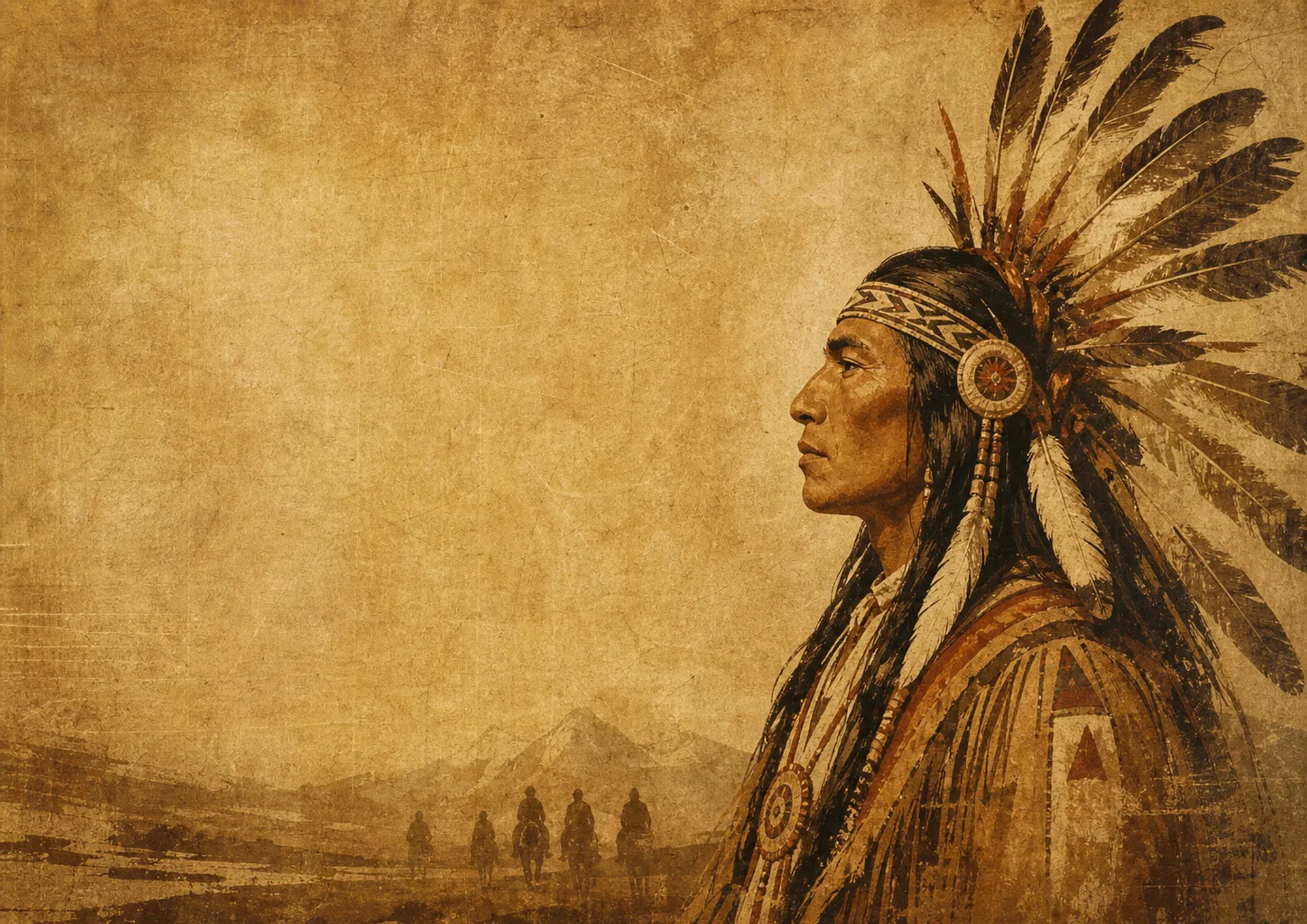
Genetics links the first peoples of the Americas to ancient Northeast Asian ancestors, but thousands of years of isolation and mixing made them a distinct population — not simply 'Asians who kept walking.'

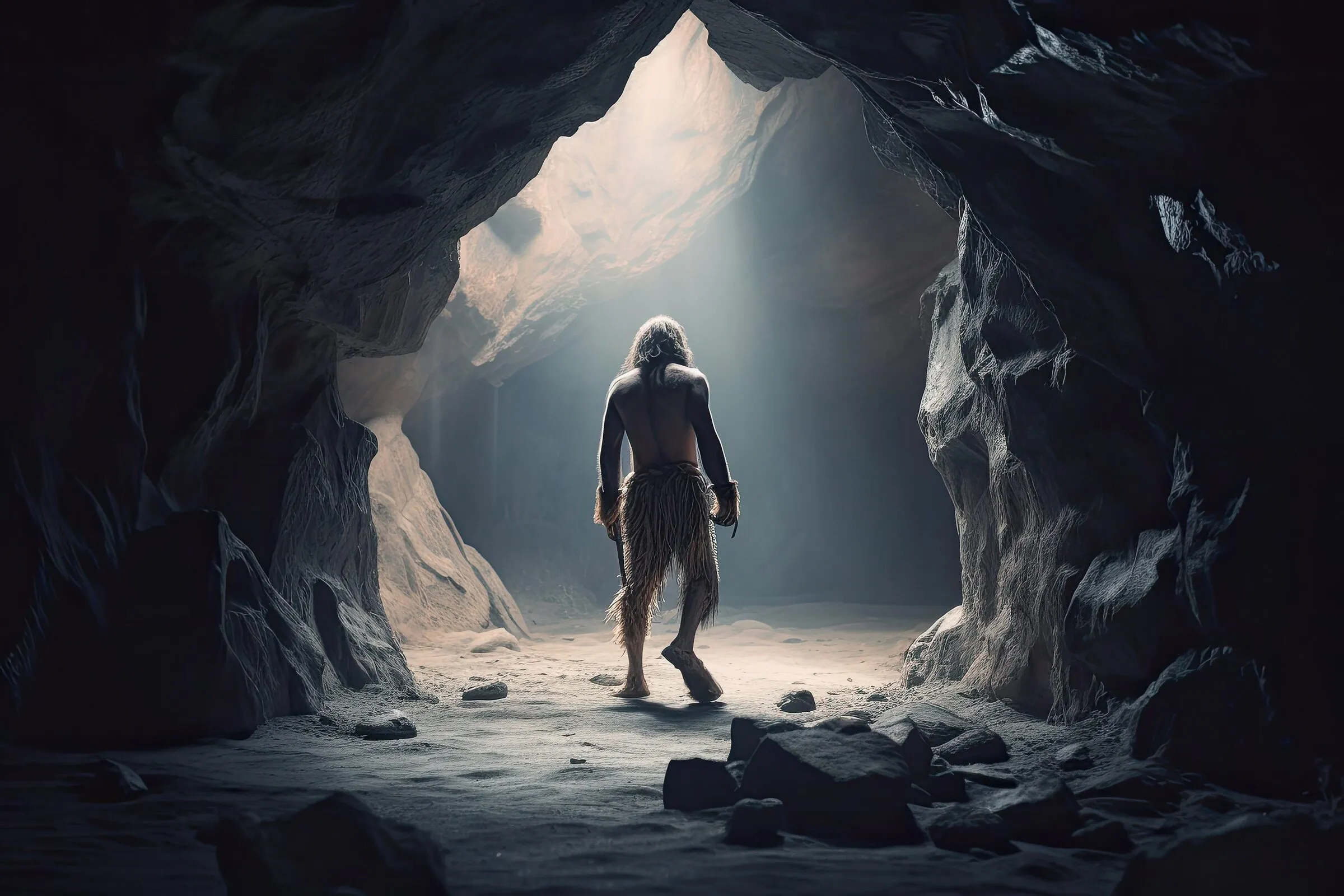
Neanderthals averaged 5 ft 5 in to 5 ft 6 in for males, matching pre-industrial Europeans. We explain how scientists measure their height and why the short stereotype is wrong.

While Ireland boasts a diverse population, certain physical characteristics are often associated with people of Irish heritage. Learn more about them here.

Collecting enough saliva can be tough for kids, older adults, or anyone with a dry-mouth condition. Cheek swabs and a few simple workarounds can still get your DNA to the lab and keep your family-history project on track.

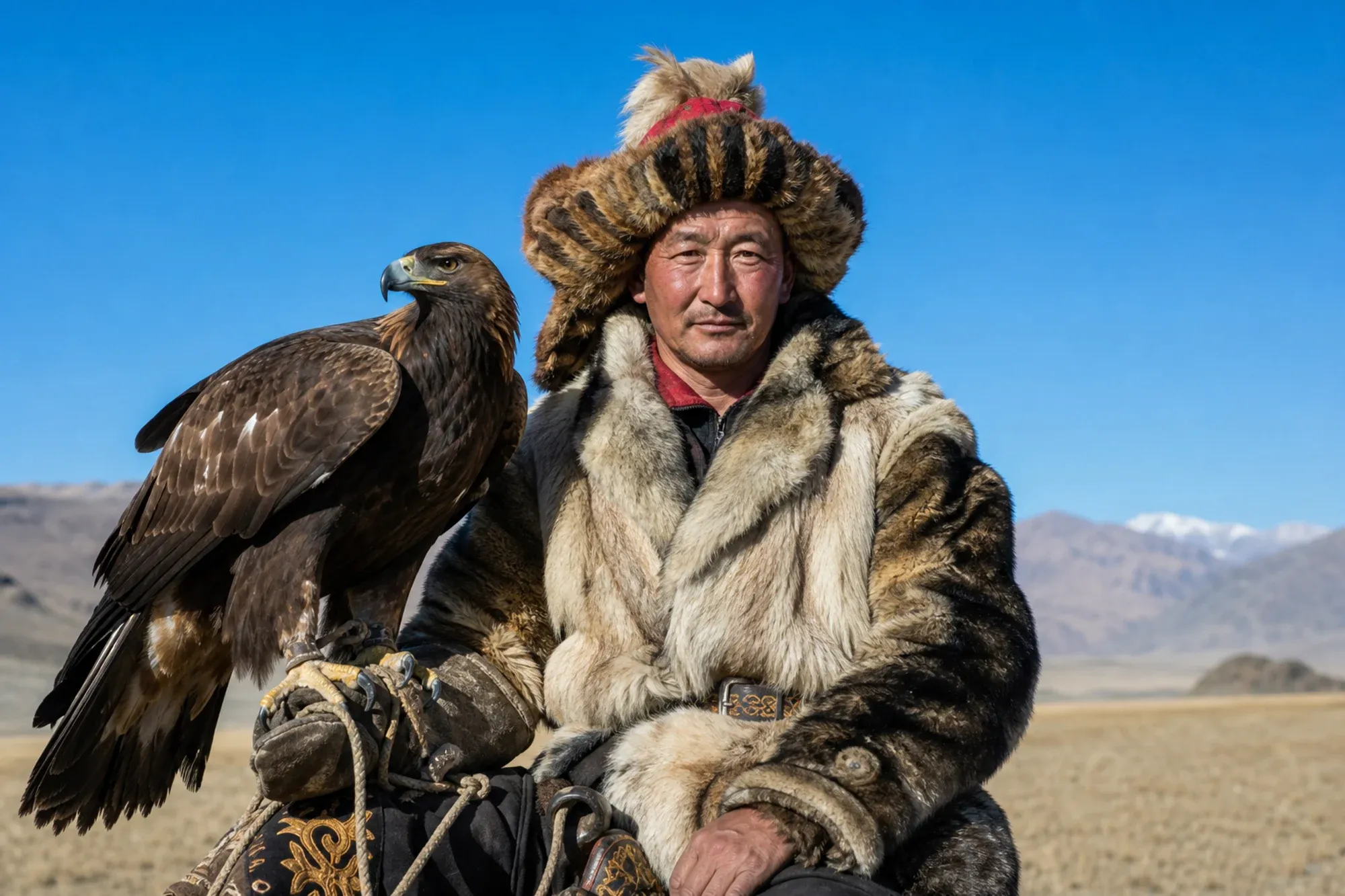
Mongolian spots are harmless bluish-gray birthmarks common in babies of Asian, African, Indigenous, and Hispanic descent. We cover what causes them, how common they are, and cultural beliefs.

Finding long-lost relatives can feel like a one-in-a-million chance. Where do you even start?