

Andy Samberg's Ancestral Journey Uncovers a Family Mystery
The search for one's origins can be a deeply personal and transformative journey. For comedian Andy Samberg, this journey took on a special significance as he

Author
Angela Natividad graduated with degrees in Bachelor of Fine Arts in Creative Writing and Bachelor of Arts in Philosophy.
In university, Angela was an athletic scholar and edited the school paper's lifestyle wing. After graduating, she moved into editorial and content marketing roles across multiple online publications.

The search for one's origins can be a deeply personal and transformative journey. For comedian Andy Samberg, this journey took on a special significance as he

Larry David, the comedic genius behind "Seinfeld" and "Curb Your Enthusiasm," has a family history that is as complex and surprising as the characters he creates.

23andMe offers a way to test for MTHFR variants. However, is it worth it and should you do it?

Low-pass whole genome sequencing reads your DNA at lower depth to cut costs, then uses imputation to fill in the gaps. Here's how it compares to standard WGS.

Extensive evidence supports the theory that modern humans (Homo sapiens) originated in Africa from genetic, fossil, and archaeological evidence.

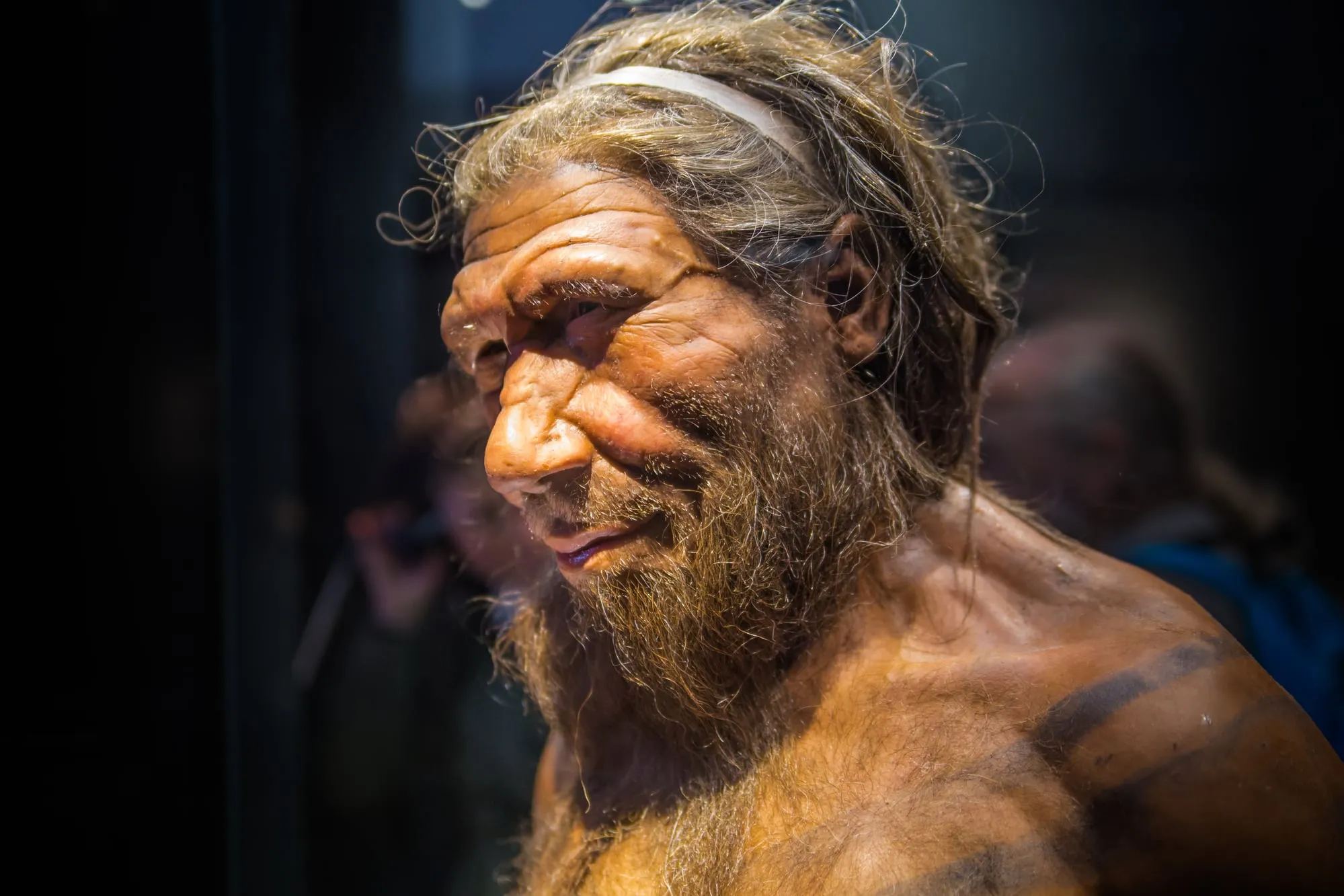
Most people with non-African ancestry carry 1% to 4% Neanderthal DNA. We break down which populations carry the most and what 23andMe reports actually tell you.

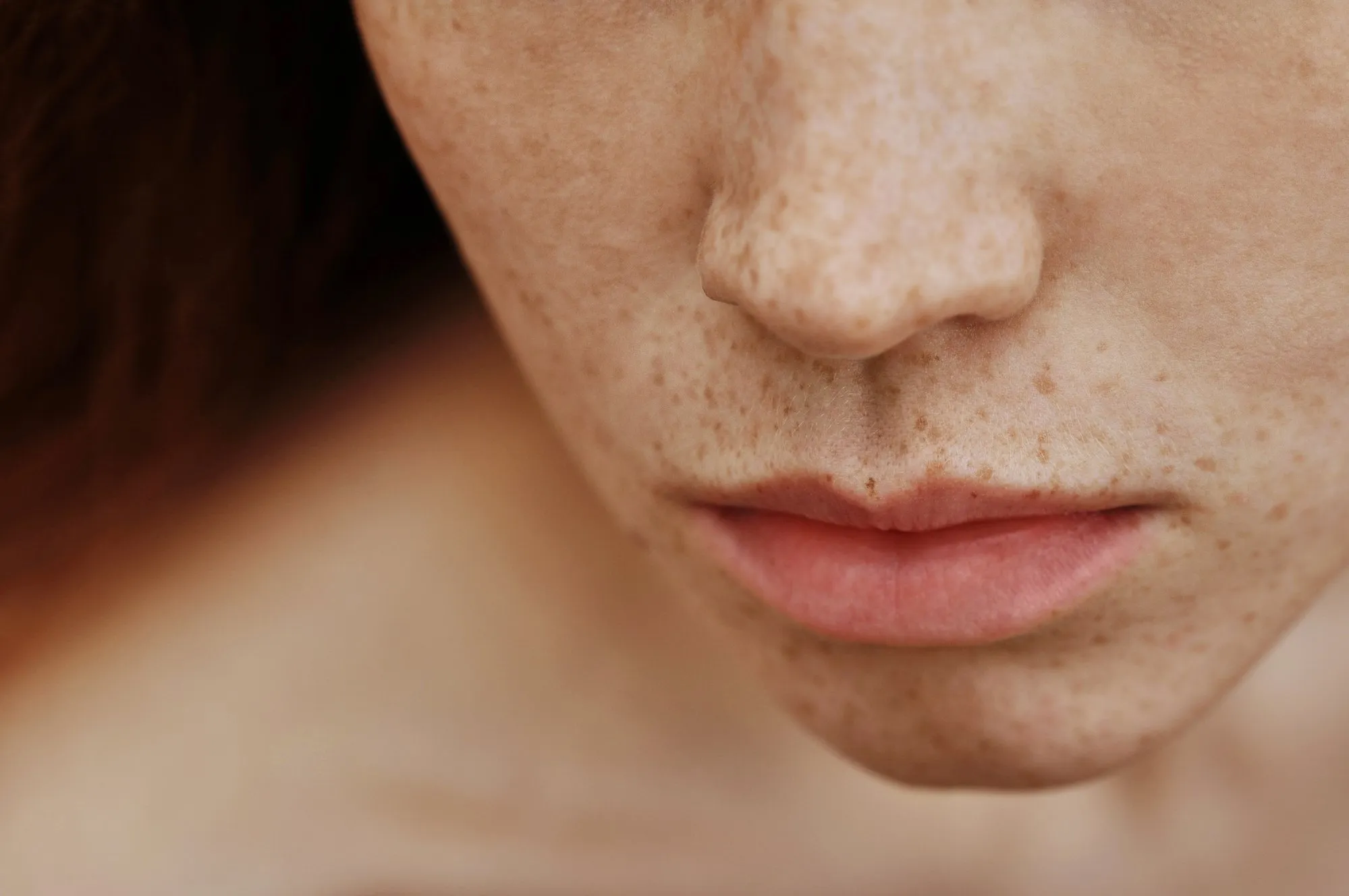
Freckles are small, concentrated spots of melanin on the skin, most visible on fair complexions. They're linked to the MC1R gene and found in many populations worldwide.

Certain populations have lower genetic diversity than others, often because of historical isolation or population bottlenecks. Here are some commonly cited examples.

Uncles and nephews share about 25% of their DNA on average, but the real number ranges from 17% to 34%. We explain why it varies and what to do when results surprise you.

Italian physical traits reflect the country's long history and regional diversity. These characteristics represent historical averages and stereotypes, not the full picture of modern Italy.