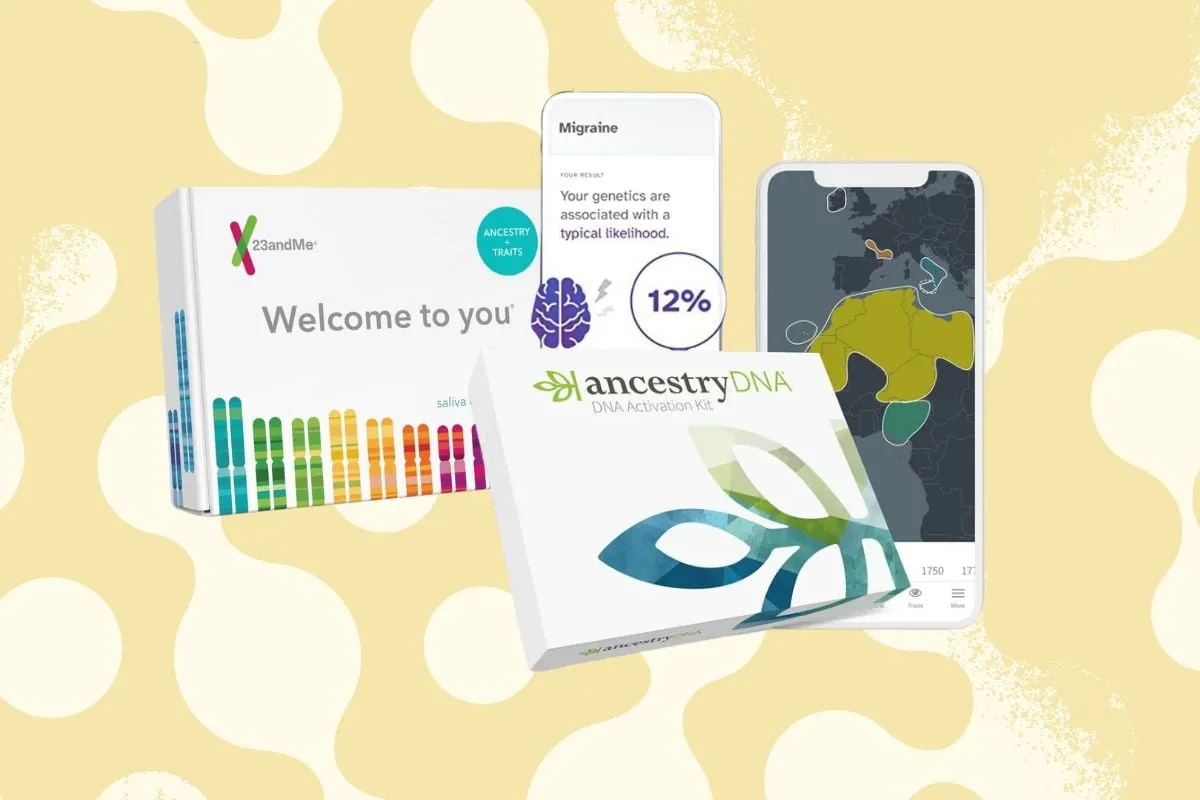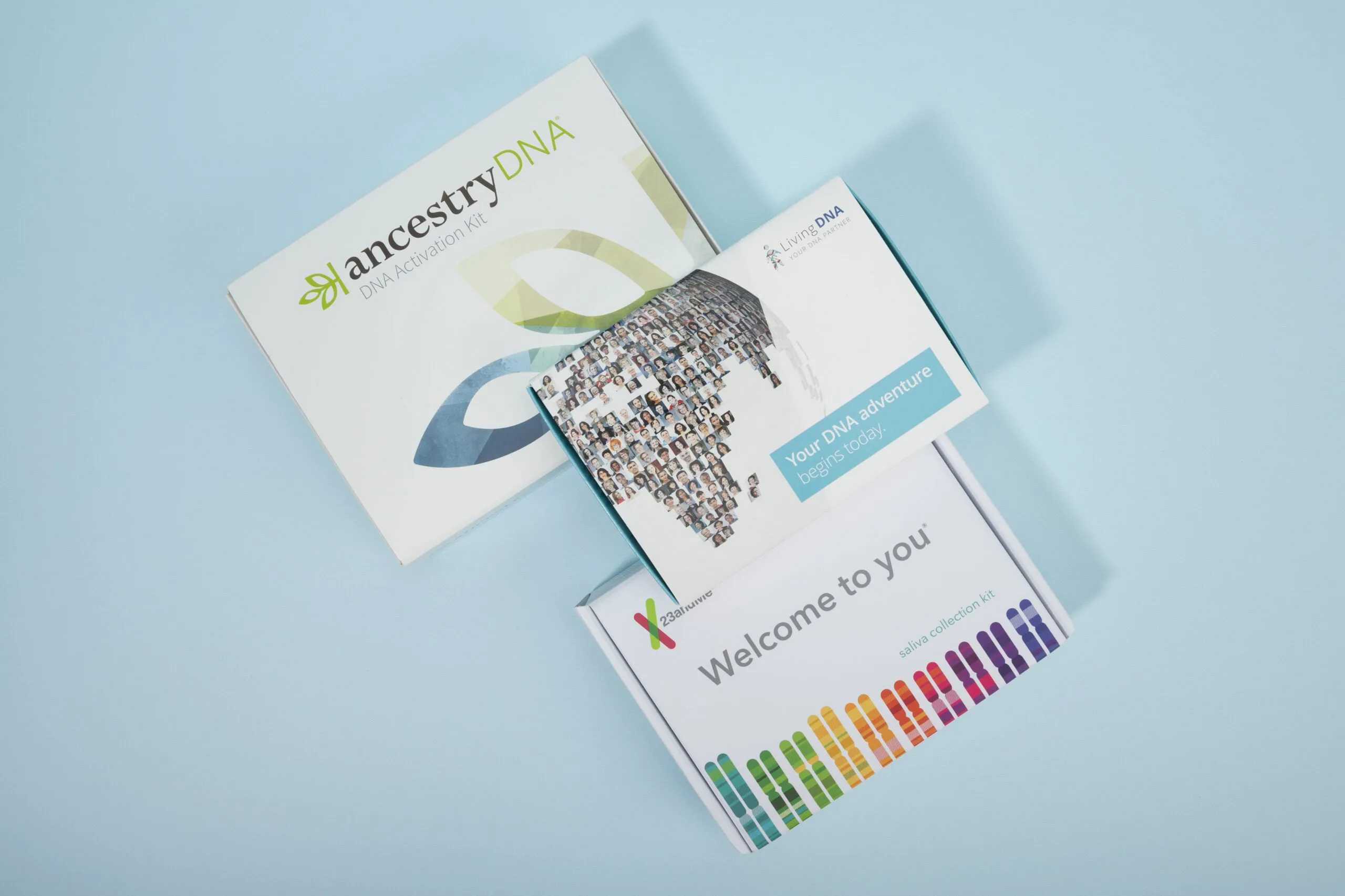
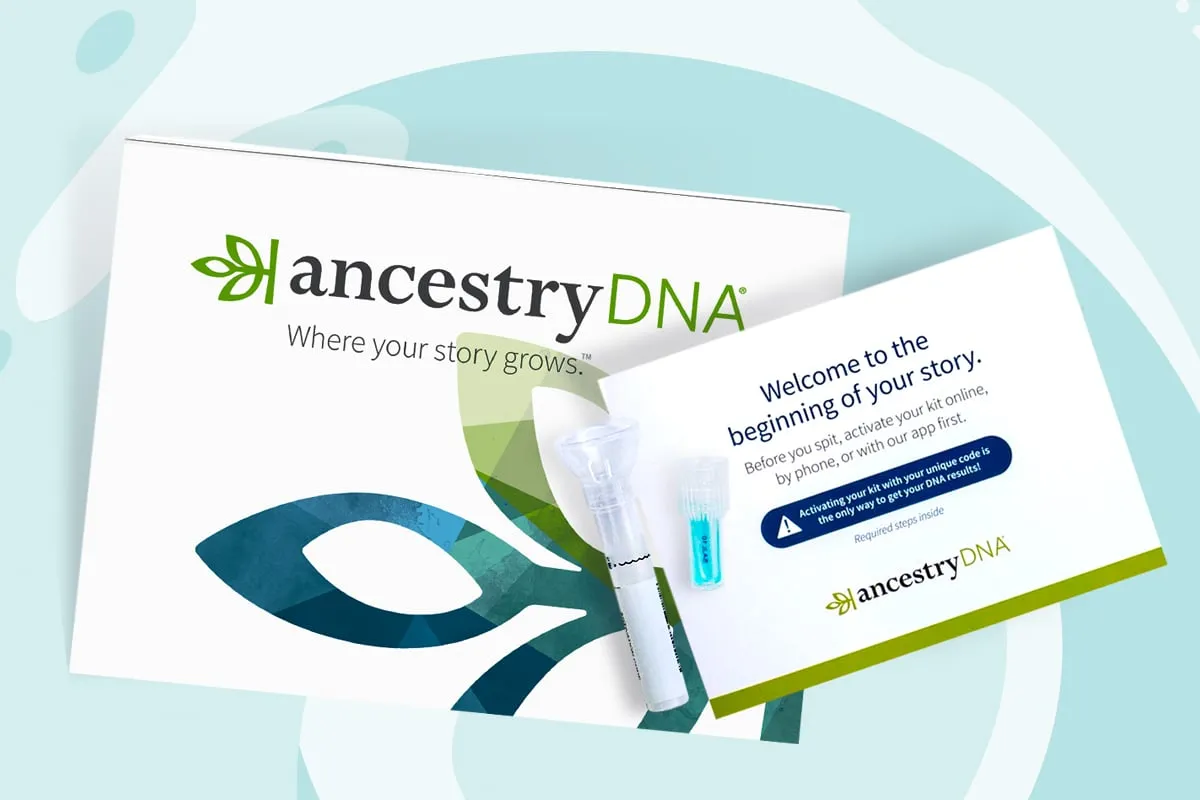

AncestryDNA starts at $99 and connects your DNA results to a database of 25+ million testers and 40 billion+ historical records. It is the strongest first buy for relatives and family trees.
Health reporting is not part of the package. If that is your main goal, a different test fits better. Below, we cover what AncestryDNA delivers, what it costs beyond the kit, and who should buy it.
Key Takeaways
Here is the short version before the full review.
- AncestryDNA is the best first genealogy test for most buyers. The 25+ million tester database and records workflow give it a clear edge for family history.
- The base kit costs $99. The Traits bundle is $119. Deeper records access requires a separate membership.
- The DNA network includes over 25 million people. That gives you higher odds of matching relatives than any competing consumer service.
- Health reports are not included. If you want health screening, 23andMe is the better buy.
- The records ecosystem covers 2,000+ regions and 40 billion+ documents. That depth is what separates AncestryDNA from competitors that stop at the DNA result.
Our Verdict
AncestryDNA earns its position because the DNA result is not the whole product. The matches connect to a tree-building workflow backed by 40 billion+ historical records. That combination turns a lab result into a practical genealogy tool.
No other consumer DNA service replicates that workflow at the same scale. The 25+ million tester database is the largest, the records library is the deepest, and the integration between matches, trees, and documents is more mature than what competitors offer. If your goal is family history, this is the clearest starting point.
What You Get
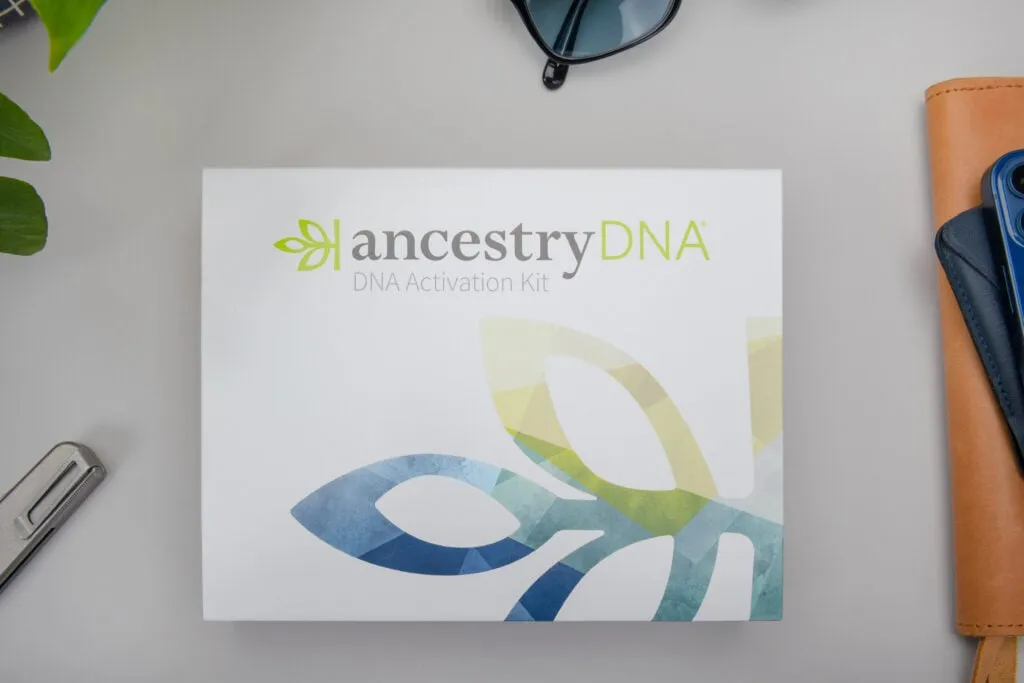
The $99 base kit delivers ancestry estimates across 2,000+ regions and DNA matching against the full 25+ million tester database. Results typically arrive about 6 weeks after the lab receives your sample.
DNA matches
The matching network is the core of the product. AncestryDNA’s 25+ million testers give you the highest odds of finding relatives in the consumer category. Matches include estimated relationship ranges and shared DNA segments, which you can cross-reference against your family tree.
Trees and records
This is where AncestryDNA separates itself. Your DNA matches live inside a genealogy platform with access to 40 billion+ historical records — census data, immigration documents, birth and death certificates, military records. The integration lets you attach a DNA match to a specific branch of your tree and verify the connection with documentary evidence.
Some records features require a paid membership. The free tier includes DNA results, matching, and basic tree building. If you plan to research actively, factor the subscription into your total cost.
Ethnicity estimates
The ethnicity breakdown covers 2,000+ regions. The 2025 update added finer regional detail and macro-region groupings that make the estimates easier to interpret. Treat the percentages as modeled probabilities, not fixed truth.
Pros and Cons
The product has a clear strength and a real cost consideration. Your decision depends on how you weigh each.
Pros:
- Largest DNA database: Over 25 million testers give you the best odds of finding relatives in the consumer testing category.
- Deep records integration: 40 billion+ historical documents connect your DNA matches to verifiable family history.
- Mature tree-building tools: The workflow for linking matches to branches is more developed than competing platforms.
- Clear privacy controls: You can download your raw data, manage research consent, and request account deletion.
Cons:
- No health reports: If health screening matters, you need a separate test. 23andMe covers that gap.
- Membership adds cost: The strongest records and tree features require a paid subscription beyond the $99 kit.
- No upload path: You cannot import raw DNA data from another testing service into AncestryDNA.
- Turnaround is slower: Six weeks is longer than some competitors that deliver in three to four weeks.
Who It Is Best For
If you are building a family tree, searching for relatives, or researching unknown parentage, AncestryDNA is the strongest starting point. The database scale and records depth give you the best chance of turning a DNA match into a documented answer.
It also fits well if you are helping a parent or grandparent get started. The genealogy experience is easier to navigate here than on more technical platforms.
Skip it if health reporting is your primary reason for testing. The 23andMe review covers that use case. Skip it if your research is heavily international — MyHeritage handles cross-border genealogy with stronger multilingual tools across 42 languages.
If your decision is specifically between AncestryDNA and 23andMe, the 23andMe vs. Ancestry comparison is the more useful next step.
Pricing and Privacy
The base kit costs $99. The Traits bundle adds 75+ trait reports for $119. Neither tier includes health reports.
The bigger cost question is what happens after results arrive. Free accounts include DNA matches and basic tree building. Paid memberships unlock deeper records access — U.S. records, international collections, and advanced search tools. If you plan to use the platform actively, budget for the subscription.
On privacy, AncestryDNA provides download, deletion, and consent controls. You can export your raw DNA data, opt out of research participation, and delete your account entirely. There is no public upload path into the platform from other services.
The Bottom Line
We recommend AncestryDNA as the first genealogy test for most buyers. The $99 kit connects you to the largest consumer DNA database at 25+ million testers and a records ecosystem with 40 billion+ documents. No competitor matches that combination for family-history work.
If health reports matter more, read the 23andMe review. If your question is broader, go back to the flagship roundup.