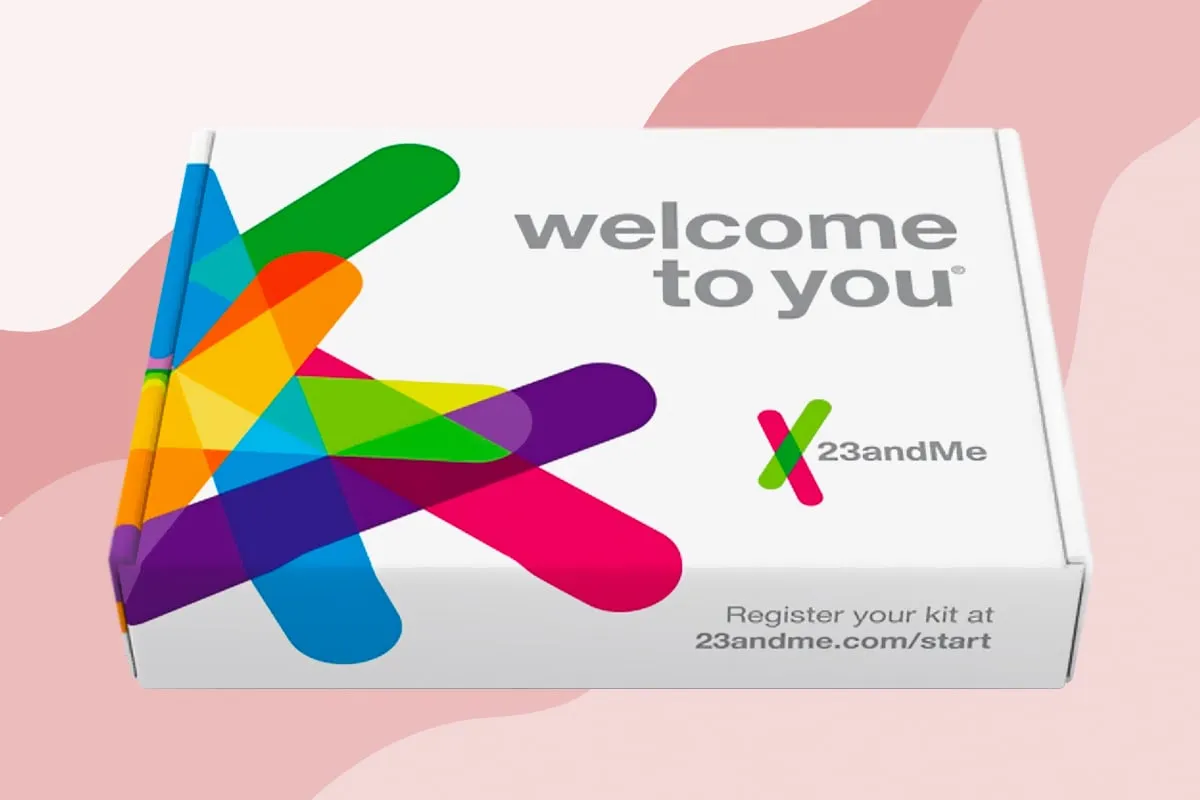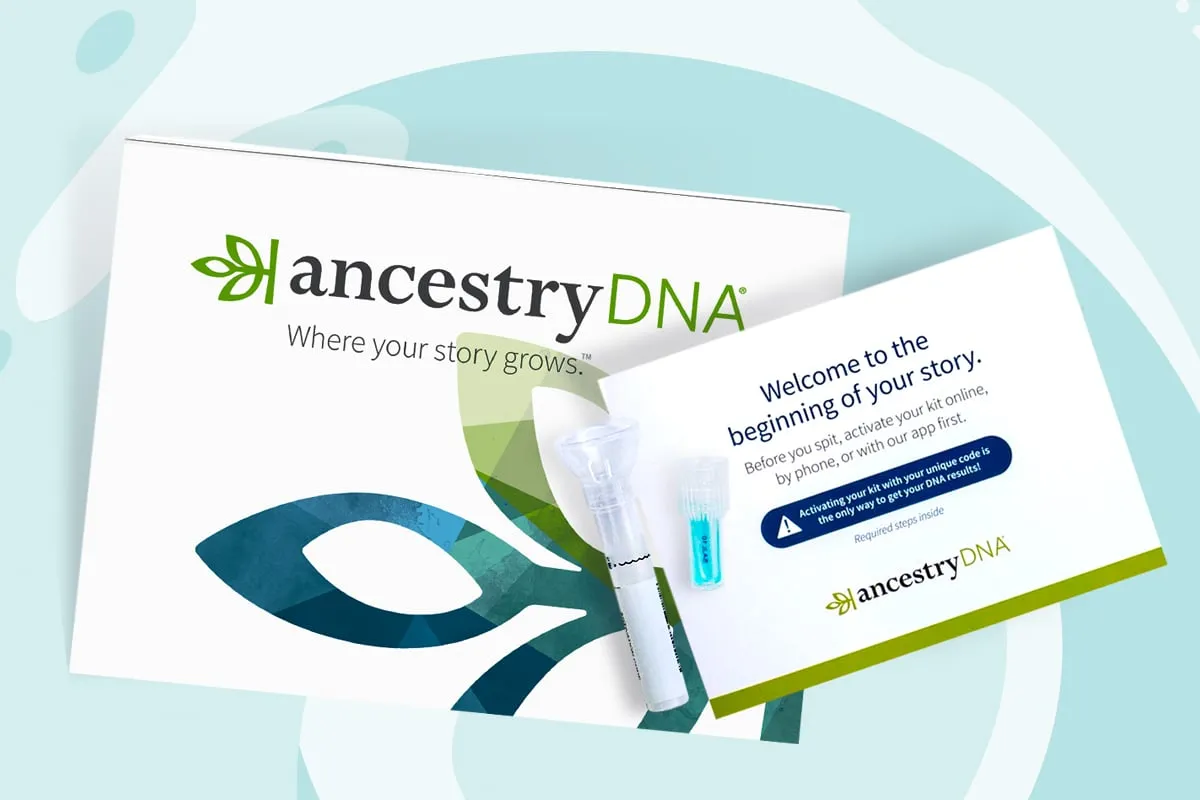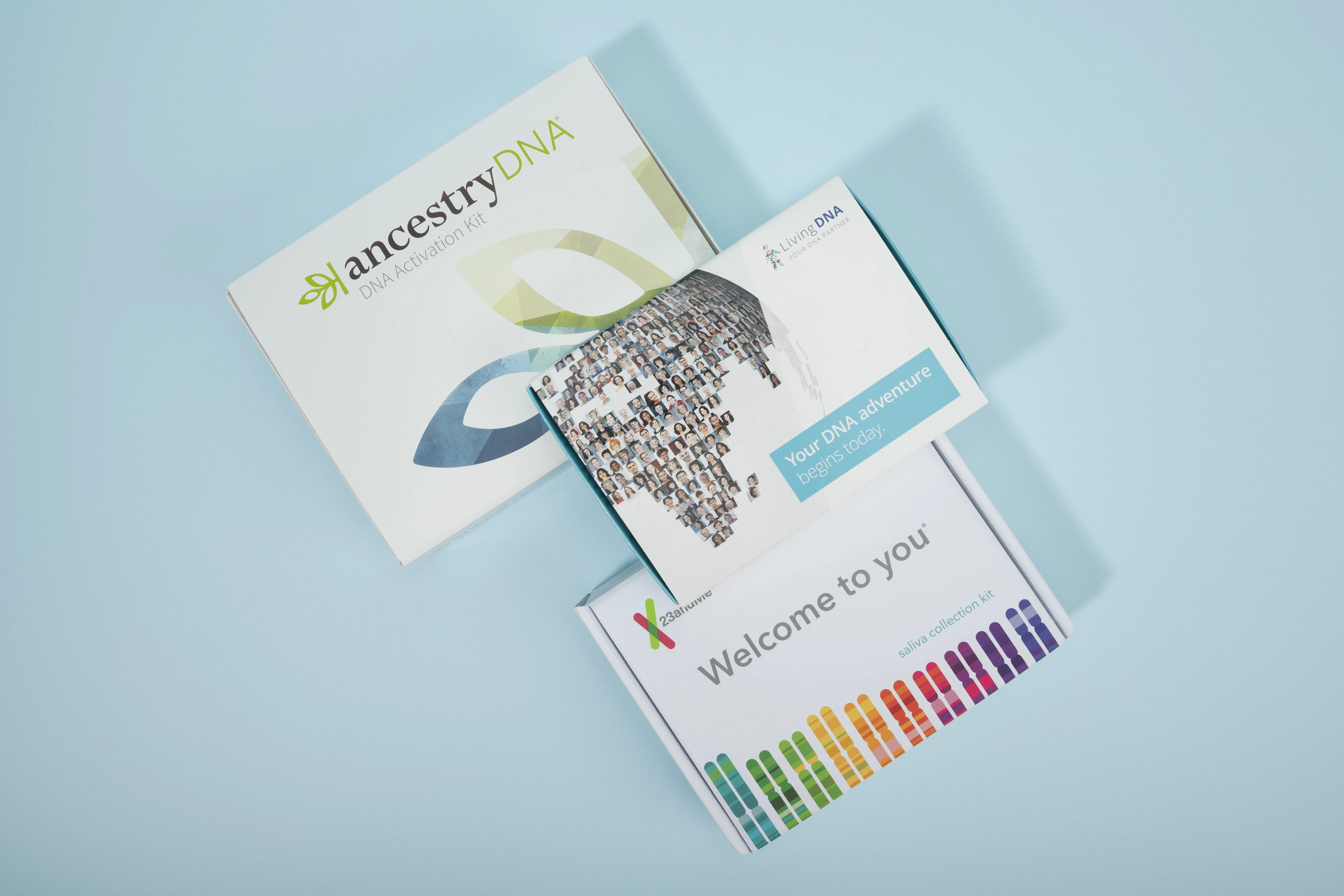
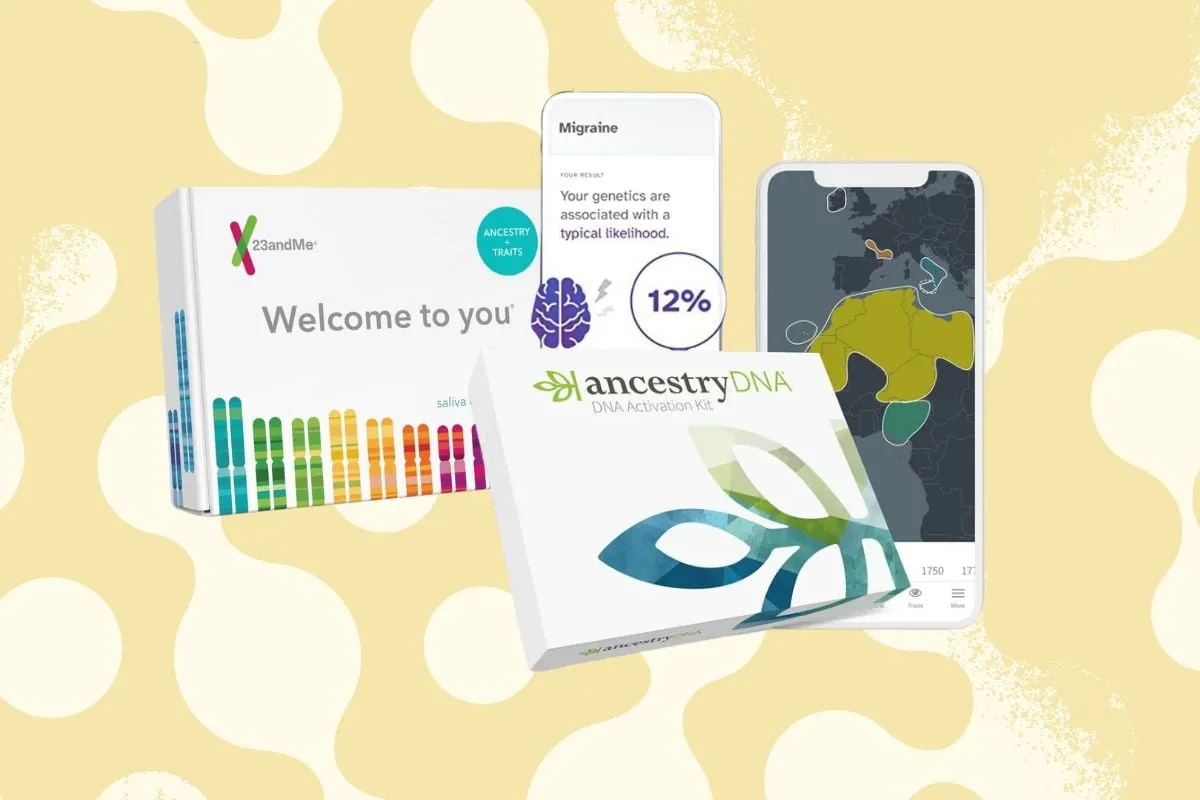

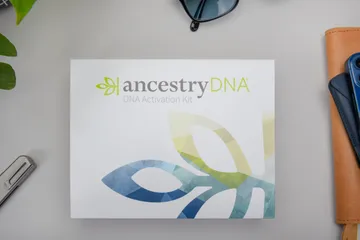
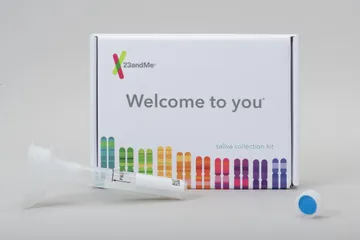
23andMe and AncestryDNA are the two biggest consumer DNA brands, but they solve different problems. AncestryDNA is built for genealogy — relatives, records, and family trees. 23andMe is built for health-plus-ancestry in one account.
Both kits start at $99, so price is not the tiebreaker. The real question is what you want the test to do after you get results. Below, we break down where each one is stronger so you can pick the right kit for your goal.
Key Takeaways
Here is the short version before the full breakdown:
- Choose AncestryDNA if you care most about relatives, trees, and family-history research.
- Choose 23andMe if you want health reporting — carrier status, pharmacogenetics, health predispositions — alongside ancestry.
- Both start at $99. Price is not the deciding factor at the entry tier.
- AncestryDNA has over 25 million people in its database. That scale gives it an edge for relative matching.
- 23andMe offers 55+ FDA-authorized health reports. AncestryDNA does not offer health reporting at all.
- Privacy policies differ. 23andMe changed ownership in 2025 under TTAM Research Institute.
Quick Verdict
AncestryDNA is the stronger genealogy product because its DNA matches, family trees, and access to over 40 billion historical records work together in a single workflow. If your goal is finding relatives or building a family tree, that integration matters more than any single feature.
23andMe is the better choice when health information is part of why you are buying. Its carrier status, pharmacogenetics, and health predisposition reports are FDA-authorized and not available from AncestryDNA at all. If you want one account for ancestry and health screening, start here.

How They Differ
AncestryDNA connects your DNA results to a genealogy workflow backed by over 40 billion historical records and a database of 25+ million users. 23andMe pairs ancestry estimates across 4,500+ regions with 55+ FDA-authorized health reports, including carrier status for conditions like cystic fibrosis and sickle cell anemia.
That scope difference is why price alone does not help you decide. Both kits start at $99, but the product you get after results is fundamentally different.
Ancestry Experience
AncestryDNA ties your DNA matches directly to family trees and historical records. You can trace a match back through census data, immigration records, and birth certificates. That records-driven loop is what makes it practical for serious family-history work.
23andMe gives you a polished ancestry breakdown across thousands of geographic regions, haplogroup assignments, and a relative finder. The ancestry side is solid for casual exploration, but it does not feed into a records-based workflow the way AncestryDNA does.
Health Reporting
23andMe is the only one of these two brands that offers health reports. The FDA-authorized categories include health predisposition, carrier status, and pharmacogenetics. Premium ($199) unlocks the full health dashboard, and Total Health ($499) adds exome sequencing and clinician-guided care.
AncestryDNA does not sell health reporting. If health is part of why you are buying a DNA test, the comparison ends here.
Longer-Term Costs
AncestryDNA’s entry kit is a one-time purchase, but heavy use of historical records pulls you toward an Ancestry membership. 23andMe Premium renews at $69 per year, and Total Health renews at $199 per year. The real cost depends on how deeply you use each platform after results arrive.
Who Should Choose Which
If you are adopted or researching unknown parentage, AncestryDNA’s combination of the largest DNA database and billions of historical records gives you the best chance of finding answers. The same applies if you are helping a parent or grandparent document family history — the practical genealogy path is clearer there.
If you are planning a family and want carrier-status screening, 23andMe fits that goal directly. The same applies if you want pharmacogenetic context to discuss with a clinician, or if a single account for ancestry and health screening is more useful to you than records depth.
If privacy and platform continuity rank high on your list, read the policy pages before buying. 23andMe filed Chapter 11 on March 23, 2025. TTAM Research Institute completed the acquisition of its assets on July 14, 2025. The service still operates, but you should make the decision with current facts, not stale assumptions.
The Bottom Line
We recommend AncestryDNA if your question is about relatives, records, and family-history depth. If your question is about health plus ancestry in one product, 23andMe is the better buy.
Pick one based on the goal that matters most, then move to the matching single-brand review for the deeper look: AncestryDNA Review or 23andMe Review.